Comenius
Episode
56 min
Read time
2 min
Topics
Fundraising & VC, Sales & Revenue, Software Development
AI-Generated Summary
Key Takeaways
- ✓Encyclopedic language learning: Comenius replaced rote Latin memorization with thematic chapters covering 8,000 words across 100 topics (nature, crafts, society), allowing students to learn language while acquiring knowledge about the world simultaneously, published in his bestselling Janua Linguarum.
- ✓Visual pedagogy innovation: The 1658 Orbis Sensualium Pictus paired numbered woodcut images with bilingual text (vernacular and Latin), enabling children to learn through pictures before text. This first illustrated dictionary used visual engagement to accelerate comprehension and retention.
- ✓Radical educational access: Comenius advocated education for all nationalities, classes, genders, ages, and abilities including blind, deaf, and physically disabled individuals. This universal approach, rooted in theological belief that all humans bear God's image, preceded widespread acceptance by centuries.
- ✓Holistic learning framework: Education begins at birth with The Mother's School, teaching astronomy by observing sun and stars outdoors, continuing through death. This encyclopedic approach integrates sensory experience with intellectual development, emphasizing material engagement over abstract textual study alone.
What It Covers
Comenius, a 17th-century Czech educator, developed universal education principles to address Europe's religious wars. His innovative textbooks, including the first illustrated children's encyclopedia, influenced pedagogy for centuries despite his exile and marginalization.
Key Questions Answered
- •Encyclopedic language learning: Comenius replaced rote Latin memorization with thematic chapters covering 8,000 words across 100 topics (nature, crafts, society), allowing students to learn language while acquiring knowledge about the world simultaneously, published in his bestselling Janua Linguarum.
- •Visual pedagogy innovation: The 1658 Orbis Sensualium Pictus paired numbered woodcut images with bilingual text (vernacular and Latin), enabling children to learn through pictures before text. This first illustrated dictionary used visual engagement to accelerate comprehension and retention.
- •Radical educational access: Comenius advocated education for all nationalities, classes, genders, ages, and abilities including blind, deaf, and physically disabled individuals. This universal approach, rooted in theological belief that all humans bear God's image, preceded widespread acceptance by centuries.
- •Holistic learning framework: Education begins at birth with The Mother's School, teaching astronomy by observing sun and stars outdoors, continuing through death. This encyclopedic approach integrates sensory experience with intellectual development, emphasizing material engagement over abstract textual study alone.
Notable Moment
Despite losing his family to plague, his library and manuscripts burned twice, and permanent exile from his homeland, Comenius maintained optimistic belief in human capacity for self-reformation, continuing his universal education project until death at seventy-eight.
Episode Transcript
This BBC podcast is supported by ads outside The UK. Hey, Michigan. Your next adventure starts at Milnes Chevrolet. Whether you're after a dependable truck, a sleek SUV, or an eco friendly car, we've got exactly what you need and at prices you'll love. At Milnes, the price you see is the price you pay. No hidden fees. No surprises. Plus, we'll deliver your dream car right to your front door. Experience world class customer service from a team who truly cares about finding you the perfect ride. Don't wait. Swing by Milne's Chevrolet on M 21 in Imlay City or shop online at milne'schevy.com. Milne's Chevrolet, together let's drive. Stay in the game with Michigan orthopedic surgeons. Whether it's a sprained ankle on the soccer field, a broken bone during football practice, or a weekend pickup game injury, we've got you covered. Our fellowship trained surgeons and advanced practice providers deliver expert care for sports injuries. Same day walk in visits at our urgent ortho clinics in Royal Oak and Shelby Township with extended after hours and weekend availability. Visit our after hours urgent ortho clinics in Royal Oak and Shelby Township, or go to miortho.care to learn more. Spring is in the air, and that means summer is ready to bring the heat. So Thornton and Grooms is lowering the price of our comprehensive AC check to help you save on energy bills and protect you from surprise breakdowns, giving you peace of mind and the comfort of knowing you can cool things down when life starts heating up. Now only $49 for a limited time. Trusted, guaranteed. Thornton and Grooms since 1937. Schedule your service today. BBC Sounds. Music, radio, podcasts. Thanks for downloading this episode of In Our Time. There's a reading list to go with it on our website, and you can get news about our programs if you follow us on Twitter at BBC in our time. I hope you enjoy the programs. Hello. In the seventeenth century, the Czech educator, Komnenius, had a great plan to address the deep antagonisms behind the wars that were devastating Europe. The plan was universal education, in which everyone could learn about everything and better understand each other and so tolerate their religious differences. His ideas had a great influence on education, even if the conflicts that had forced him into exile proved intractable in his lifetime. With me to discuss Comenius are Susanna Ivanic, lecturer in early modern European history at the University of Kent, Vladimir Ubanek, senior researcher at the Institute of Philosophy of the Czech Academy of Sciences, and Howard Hodgson, professor of early modern intellectual history at the University of Oxford and fellow of St. Anne's College. Howard Hodgson, Jimenez was born in 1592 and lived for seventy eight years. Can you tell us about his early life? Yes. Well, that's a very important consideration. He was very long lived, and he spanned several different historical epochs. And the epoch that he was …
Get the full transcript (8,494 words) + summary by email — free
One-time email with the complete transcript and AI summary of this episode. No account needed.
One email, no spam. We’ll also show you what SignalCast does.

You just read a 3-minute summary of a 53-minute episode.
Get In Our Time summarized like this every Monday — plus up to 2 more podcasts, free.
Pick Your Podcasts — FreeKeep Reading


Books, tools, and gear mentioned in this episode
SignalCast may earn commission on purchases via these links. As an Amazon Associate, SignalCast earns from qualifying purchases.
Books
- Janua LinguarumBy guest
by Comenius
“Encyclopedic language learning: Comenius replaced rote Latin memorization with thematic chapters covering 8,000 words across 100 topics (nature, crafts, society), allowing students to learn language while acquiring knowledge about the world simultaneously, published in his bestselling Janua Linguarum.”
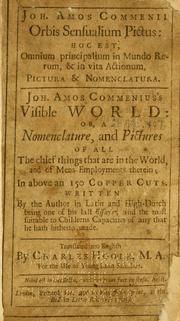 Orbis Sensualium PictusBy guest
by Comenius
“The 1658 Orbis Sensualium Pictus paired numbered woodcut images with bilingual text (vernacular and Latin), enabling children to learn through pictures before text. This first illustrated dictionary used visual engagement to accelerate comprehension and retention.”
- The Mother's SchoolBy guest
by Comenius
“Education begins at birth with The Mother's School, teaching astronomy by observing sun and stars outdoors, continuing through death.”
More from In Our Time
We summarize every new episode. Want them in your inbox?
Similar Episodes
Related episodes from other podcasts

Freakonomics Radio
Jun 26
679. Why Does Vanderbilt Keep Winning?

Dwarkesh Podcast
Sep 1
Ajeya Cotra – Inside the OpenAI agent swarm that hacked Hugging Face

Everything Everywhere Daily
Aug 29
Confucianism

Stuff You Should Know
Aug 18
Isn't It Ironic, Dontcha Think?

David Senra
Aug 9
Michael Ovitz, Co-founder of CAA
Explore Related Topics
This podcast is featured in Best History Podcasts (2026) — ranked and reviewed with AI summaries.
Read this week's Software Engineering Podcast Insights — cross-podcast analysis updated weekly.
You're clearly into In Our Time.
Every Monday, we deliver AI summaries of the latest episodes from In Our Time and 192+ other podcasts. Free for one show.
Start My Monday DigestNo credit card · Unsubscribe anytime