TIP764: The Art of Buffett w/ Tobias Carlisle
Episode
90 min
Read time
2 min
Topics
Investing, Fundraising & VC, Leadership
AI-Generated Summary
Key Takeaways
- ✓Gen Re Strategic Defense: Buffett used Berkshire's overvalued stock in 1998 to acquire Gen Re's bond portfolio, diluting equity risk when Coke traded at 60 times earnings. This created ballast during the dot-com crash as bonds rallied while equities halved, protecting Berkshire's portfolio.
- ✓BNSF Geographic Advantage: Buffett paid 44 billion dollars for Burlington Northern after identifying the shift from European to Asian trade routes requiring Pacific access. The regulated railway now generates 12-13 percent dividends on his original investment after recovering initial capital through accelerated depreciation benefits.
- ✓Apple Consumer Franchise: Buffett invested 40 billion dollars representing 40 percent of Berkshire's assets into Apple at 14 times earnings, characterizing it as consumer products rather than technology. The position returned four times in value while Apple's buybacks increased Berkshire's ownership percentage without additional purchases.
- ✓Japanese Zero-Cost Carry: Berkshire borrowed yen-denominated debt at zero percent interest to purchase five Japanese trading conglomerates paying 6-8 percent dividends. This currency-matched structure generates 700-800 million dollars annually in positive carry with non-recourse risk, eliminating foreign exchange exposure completely.
- ✓Risk Through Valuation Lens: Buffett defines risk as overpaying or excessive leverage, not volatility. Lower valuations reduce risk while increasing returns, contradicting modern portfolio theory. He avoids ruin by maintaining conservative balance sheets and only investing when understanding exactly how positions generate profits over time.
What It Covers
Tobias Carlisle analyzes Warren Buffett's most misunderstood investments through Sun Tzu's Art of War principles, examining the Gen Re acquisition, BNSF Railroad purchase, Apple investment, and Japanese trading house deals to reveal Buffett's strategic risk management approach.
Key Questions Answered
- •Gen Re Strategic Defense: Buffett used Berkshire's overvalued stock in 1998 to acquire Gen Re's bond portfolio, diluting equity risk when Coke traded at 60 times earnings. This created ballast during the dot-com crash as bonds rallied while equities halved, protecting Berkshire's portfolio.
- •BNSF Geographic Advantage: Buffett paid 44 billion dollars for Burlington Northern after identifying the shift from European to Asian trade routes requiring Pacific access. The regulated railway now generates 12-13 percent dividends on his original investment after recovering initial capital through accelerated depreciation benefits.
- •Apple Consumer Franchise: Buffett invested 40 billion dollars representing 40 percent of Berkshire's assets into Apple at 14 times earnings, characterizing it as consumer products rather than technology. The position returned four times in value while Apple's buybacks increased Berkshire's ownership percentage without additional purchases.
- •Japanese Zero-Cost Carry: Berkshire borrowed yen-denominated debt at zero percent interest to purchase five Japanese trading conglomerates paying 6-8 percent dividends. This currency-matched structure generates 700-800 million dollars annually in positive carry with non-recourse risk, eliminating foreign exchange exposure completely.
- •Risk Through Valuation Lens: Buffett defines risk as overpaying or excessive leverage, not volatility. Lower valuations reduce risk while increasing returns, contradicting modern portfolio theory. He avoids ruin by maintaining conservative balance sheets and only investing when understanding exactly how positions generate profits over time.
Notable Moment
Carlisle reveals that most investors remember the Gen Re deal as a mistake due to derivatives losses and holding overvalued Coke stock. However, the transaction actually saved Berkshire during the dot-com crash by providing bond portfolio ballast that rallied while equities collapsed, demonstrating masterful defensive positioning.
Episode Transcript
You're listening to TIP. Today, I'm joined by my friend Tobias Carlisle, the founder and managing director of Acquires Funds. Tobias just released his book, Soldier of Fortune, Warren Buffett, Seung Shui, and the Ancient Art of Risk Taking. In this episode, Tobias and I take you through Buffett's biggest and most misunderstood investments, including the January Redeel and the BNSF Railroad acquisition, and draw on the timeless lessons from the art of war in doing so. We discuss how Buffett truly thinks about risk, why Apple may be his best trade ever, and why Berkshire's culture has its own frequency in the game of business and investing. Let's get to it. Since 2014 and through more than 180,000,000 downloads, we've studied the financial markets and read the books that influence self made billionaires the most. We keep you informed and prepared for the unexpected. Now for your host, Stig Brodersen. Welcome to The Investor's podcast. I'm your host, Stig Brodersen, and today I'm here with my good friend, Tobias Carlisle. Toby, what's going on? Stig Brodersen (zero 20 three:forty nine): You bet. We are here to talk about your new book, Sold Your Warren Buffett, Sun Tzu, and the Ancient Art of Risk Taking. Toby, I feel like to some extent we're going full circle because back in 2015, this was back on episode 25. This is more than a decade ago. We talked about your book, Devalue. I don't know if you recall, but I kind of feel it's full circle now. We're talking about your most recent book, and I don't know if it means anything to you, Toby. To me, it does because you were the guest we had on the most times here on the podcast. You hold the record. So I don't know if it's just said congratulations, but just thank you for being so generous with your time. Stephan Livera (zero zero three:fifty seven): Well, I'm very grateful that you keep on having me on because I love chatting to you guys. I love chatting to you. Stig Brodersen (zero zero three:fifty nine): Fantastic. Thank you for saying so. As the audience can probably hear from this episode, it's very much a conversation between kindred spirits. I wanted to kick this off by talking about a very iconic deal. This is the $22,000,000,000 deal between General Reinsurance Corporation, or Gen Re, as it's known, and then Berkshire Hathaway. So you already know this is between kindred spirits. We're talking about a deal that happened back in 1998, and still, we talk about it today because it was very, very special. Stig Brodersen (zero zero three:forty four): At first glance, for us who follow Buffett, it seemed like a very unBuffet like move. For one thing, Berkshire stock was used as currency, which was something that Buffett long resisted, and he even described the deal as having synergies. He had previously, and since joked that it's usually code for acquisition that doesn't really make …
Get the full transcript (18,110 words) + summary by email — free
One-time email with the complete transcript and AI summary of this episode. No account needed.
One email, no spam. We’ll also show you what SignalCast does.

You just read a 3-minute summary of a 87-minute episode.
Get We Study Billionaires summarized like this every Monday — plus up to 2 more podcasts, free.
Pick Your Podcasts — FreeKeep Reading
More from We Study Billionaires
TIP854: GE Aerospace: Chris Hohn’s Biggest Bet w/ Daniel Mahncke & Shawn O'Malley
Oct 22 · 72 min

Investing for Beginners
Warren Buffett & Sun Tzu: The Ancient Strategy for Avoiding Ruin with Tobias Carlisle
Dec 22
More from We Study Billionaires
RWH074: True Wealth w/ Matt Ludmer
Oct 18 · 153 min

The Meb Faber Show
Tobias Carlisle - Warren Buffett, Sun Tzu and The Ancient Art of Risk-Taking | #600
Oct 7
Books, tools, and gear mentioned in this episode
SignalCast may earn commission on purchases via these links. As an Amazon Associate, SignalCast earns from qualifying purchases.
Books
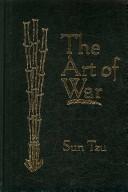
by Sun Tzu
“Tobias Carlisle analyzes Warren Buffett's most misunderstood investments through Sun Tzu's Art of War principles”
More from We Study Billionaires
We summarize every new episode. Want them in your inbox?
TIP854: GE Aerospace: Chris Hohn’s Biggest Bet w/ Daniel Mahncke & Shawn O'Malley
RWH074: True Wealth w/ Matt Ludmer
TIP853: Aritzia (ATZ.TO): The Women's Apparel Brand Conquering the US, plus Nike, Lulu, and More w/ Kyle Grieve & Shawn O'Malley
RWH073: Unstoppable w/ Sir Michael Moritz
TIP852: Hermès and LVMH Stock: Time to Buy Luxury? w/ Daniel Mahncke & Shawn O'Malley
Similar Episodes
Related episodes from other podcasts

Investing for Beginners
Dec 22
Warren Buffett & Sun Tzu: The Ancient Strategy for Avoiding Ruin with Tobias Carlisle

The Meb Faber Show
Oct 7
Tobias Carlisle - Warren Buffett, Sun Tzu and The Ancient Art of Risk-Taking | #600

My First Million
May 22
Mohnish Pabrai: This will save you 10 years of bad investments
Investing for Beginners
Jan 19
Warren Buffett Steps Down: The End of an Era for Berkshire Hathaway

The Founders Podcast
Feb 25
#380 Four Hundred Pages of Warren Buffett and Charlie Munger In Their Own Words
Explore Related Topics
This podcast is featured in Best Investing Podcasts (2026) — ranked and reviewed with AI summaries.
Read this week's Investing & Markets Podcast Insights — cross-podcast analysis updated weekly.
You're clearly into We Study Billionaires.
Every Monday, we deliver AI summaries of the latest episodes from We Study Billionaires and 192+ other podcasts. Free for one show.
Start My Monday DigestNo credit card · Unsubscribe anytime