What Happened To The Vegan Movement? Rich & Simon Hill On The Rise & Fall Of Plant-Based Eating
Episode
76 min
Read time
3 min
Topics
Career Growth, Productivity, Health & Wellness
AI-Generated Summary
Key Takeaways
- ✓Messaging integrity: Beyond Meat's stock collapsing 99% damaged the broader plant-based movement because influential advocates framed ultra-processed meat alternatives as health foods rather than transition tools. When consumers discovered these products cost two to three times more per pound than chicken, tasted inferior, and were heavily processed, trust eroded across the entire movement—not just the specific companies involved.
- ✓Nutrition honesty: A plant-exclusive diet cannot be argued as definitively superior to Mediterranean, DASH, or pescatarian patterns on human health evidence alone. The strongest case for veganism remains ethical and environmental. Communicating absolutes—that all dairy causes cancer or all animal protein is harmful—creates a trust deficit that collapses when mainstream science surfaces more nuanced findings about fermented dairy and fatty fish.
- ✓Protein and supplementation protocol: Removing animal protein without strategic replacement causes real nutrient shortfalls. Target 1.2g protein per kilogram of bodyweight minimum, or 1.6g if physically active, prioritizing legumes, tofu, tempeh, and lentils. Add a morning protein shake with peanut butter, berries, and leafy greens for roughly 40 additional grams. Take a daily multivitamin plus a DHA/EPA omega-3 supplement—either fish oil or algae oil—as baseline insurance.
- ✓Advocacy strategy: Shaming and moral absolutism alienate far more people than they recruit. A more effective model follows attraction over promotion: embody the lifestyle visibly, make it aspirational, and respond only when curiosity is expressed. Getting 80% of the population to adopt Meatless Mondays produces more measurable animal welfare outcomes than converting 1% to strict veganism, making incremental inclusion strategically superior to purity enforcement.
- ✓Masculinity and diet: The association between meat consumption and masculinity functions as a meat-industry marketing construct, not an authentic signal of male identity. Long-term partner attraction correlates more strongly with emotional capacity—specifically the ability to listen without defensiveness—than with dietary choices or physical signals. Developing this skill places someone statistically above most competitors in relationship viability, making it a higher-leverage investment than optimizing food choices for identity signaling.
What It Covers
Rich Roll and Simon Hill, a nutrition scientist and author of *The Proof is in the Plants*, conduct an autopsy on the plant-based movement's collapse after its 2020 peak. They identify three causes: dishonest health messaging, counterproductive vegan advocacy tactics, and post-COVID cultural shifts linking meat consumption to masculinity and political identity.
Key Questions Answered
- •Messaging integrity: Beyond Meat's stock collapsing 99% damaged the broader plant-based movement because influential advocates framed ultra-processed meat alternatives as health foods rather than transition tools. When consumers discovered these products cost two to three times more per pound than chicken, tasted inferior, and were heavily processed, trust eroded across the entire movement—not just the specific companies involved.
- •Nutrition honesty: A plant-exclusive diet cannot be argued as definitively superior to Mediterranean, DASH, or pescatarian patterns on human health evidence alone. The strongest case for veganism remains ethical and environmental. Communicating absolutes—that all dairy causes cancer or all animal protein is harmful—creates a trust deficit that collapses when mainstream science surfaces more nuanced findings about fermented dairy and fatty fish.
- •Protein and supplementation protocol: Removing animal protein without strategic replacement causes real nutrient shortfalls. Target 1.2g protein per kilogram of bodyweight minimum, or 1.6g if physically active, prioritizing legumes, tofu, tempeh, and lentils. Add a morning protein shake with peanut butter, berries, and leafy greens for roughly 40 additional grams. Take a daily multivitamin plus a DHA/EPA omega-3 supplement—either fish oil or algae oil—as baseline insurance.
- •Advocacy strategy: Shaming and moral absolutism alienate far more people than they recruit. A more effective model follows attraction over promotion: embody the lifestyle visibly, make it aspirational, and respond only when curiosity is expressed. Getting 80% of the population to adopt Meatless Mondays produces more measurable animal welfare outcomes than converting 1% to strict veganism, making incremental inclusion strategically superior to purity enforcement.
- •Masculinity and diet: The association between meat consumption and masculinity functions as a meat-industry marketing construct, not an authentic signal of male identity. Long-term partner attraction correlates more strongly with emotional capacity—specifically the ability to listen without defensiveness—than with dietary choices or physical signals. Developing this skill places someone statistically above most competitors in relationship viability, making it a higher-leverage investment than optimizing food choices for identity signaling.
- •Practical entry point: Start by replacing red, white, and processed meat with legumes seasoned with familiar flavors, since these proteins are largely flavor-neutral vehicles. Avoid the common error of removing animal protein without substituting equivalent plant protein sources. Whole, minimally processed plant foods—beans, lentils, chickpeas, whole grains, nuts, seeds, fruits, vegetables—form the evidence-backed foundation, not plant-based packaged products, which function closer to fast food nutritionally.
Notable Moment
Hill reveals that within the vegan community, his nuanced, science-based book received hostile feedback from ethical vegans who felt his contextual language left too much room for doubt. The very audience he aimed to serve pushed back hardest against accuracy, illustrating how ideological incentives actively punish honest scientific communication inside advocacy movements.
Episode Transcript
Eight is what time I typically go to bed, for those of you wondering how I manage working out at 4AM, because eight hours of sleep is nonnegotiable for me. As for ensuring I get eight quality hours, this is where Eight Sleep comes in, a smart cover that goes on your existing mattress and cools or heats each side of the bed from 55 to 110 degrees so you can find your ideal sleep temperature and stay there all night. Why is this important? What Eight Sleep does and does extremely well is ensure the optimal temperature conducive to optimal sleep, which it does by tracking your sleep and recovery automatically, no wearable required, and using that data to make adjustments over time to hone in on exactly the best temperature changes throughout the night to produce the deepest, most restorative sleep states. The result, up to 34% more deep sleep. Individual results may vary, but for me, it's the difference between waking up foggy and actually feeling rested. Honestly, Eight Sleep just might be my favorite possession. I honestly can't imagine life without it. I want everyone to sleep as well as I do because once you do, it really is utterly life changing. Use my code rich roll at 8sleep.com/richroll for up to $350 off the Pod five Ultra. That's 8sleep.com/richroll. Good nutrition touches on basically everything, your energy, your mood, how you recover, how you show up. Most of us know roughly what to eat, what we're supposed to eat, and what we're supposed to avoid. The hard part is the day to day logistics, how it breaks down in the moment, the deciding, the planning, the shopping, the friction. That's the part we set out to solve with the Plantpower Meal Planner. It's a personalized plant based planning program. Basically, when you dial up the website, you tell it about your taste, your household, your allergies, your habits, the amount of time you realistically have to devote to all of this. And then it takes all of that, crunches it, and builds you a nutrient dense plan in minutes with a one click grocery list that integrates with delivery across the country. Every recipe is developed by dietitians with culinary training. There's nutrition info on each one if you like to track everything, and you get a real food coach in your corner. Food has been at the center of my own transformation for a very long time now, and this is the tool I wish I'd had the whole way. For listeners of the show, all you special people, we're offering an exclusive $20 Millions of people have been switching to a plant based lifestyle in recent years. By 2020, the plant based movement had hit peak popularity. An exploding movement of elite athletes are utilizing vegan diets to heal injuries, speed recovery times, and enhance their performance. This plant based trend is real. It's here. There's real serious demand. Beyond Meat, the best …
Get the full transcript (12,638 words) + summary by email — free
One-time email with the complete transcript and AI summary of this episode. No account needed.
One email, no spam. We’ll also show you what SignalCast does.

You just read a 3-minute summary of a 73-minute episode.
Get The Rich Roll Podcast summarized like this every Monday — plus up to 2 more podcasts, free.
Pick Your Podcasts — FreeKeep Reading
More from The Rich Roll Podcast
The Perilous Fight: Colin Kaepernick On The True Costs Of Conviction
Sep 28 · 98 min

Deep Questions with Cal Newport
Dear AI Companies: Stop the “Doom Trolling” | AI Reality Check
Jun 25
More from The Rich Roll Podcast
Bryan Johnson & Kate Tolo On Curing Their Incurable Diseases, Addressing The Disparity In Women's Health & The Don't Die Mission
Sep 21 · 116 min

Huberman Lab
Science-Based Meditation Tools to Improve Your Brain & Health | Dr. Richard Davidson
Mar 16
Books, tools, and gear mentioned in this episode
SignalCast may earn commission on purchases via these links. As an Amazon Associate, SignalCast earns from qualifying purchases.
Books
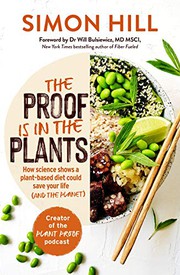 The Proof is in the PlantsBy guest
by Simon Hill
“Simon Hill, a nutrition scientist and author of *The Proof is in the Plants*, conduct an autopsy on the plant-based movement's collapse after its 2020 peak.”
More from The Rich Roll Podcast
We summarize every new episode. Want them in your inbox?
The Perilous Fight: Colin Kaepernick On The True Costs Of Conviction
Bryan Johnson & Kate Tolo On Curing Their Incurable Diseases, Addressing The Disparity In Women's Health & The Don't Die Mission
If I Can, I Will: William Goodge On Running 50 Marathons In 50 States In 24 Days
Life's A Fight. Don’t Let It Break You: Dolph Lundgren On Trauma, Stardom & Cancer
Olympic Medalist Jenny Simpson On Her Sudden Cardiac Arrest After A Race & The Journey Back To Health
Similar Episodes
Related episodes from other podcasts

Deep Questions with Cal Newport
Jun 25
Dear AI Companies: Stop the “Doom Trolling” | AI Reality Check

Huberman Lab
Mar 16
Science-Based Meditation Tools to Improve Your Brain & Health | Dr. Richard Davidson

Bankless
Feb 23
Ethereum's Last Big Upgrade: The zkEVM | Ansgar Dietrichs

The Proof
Feb 10
Reversing atherosclerosis with diet | Simon Hill, Msc
The Proof
Jan 12
Protein, increasing bone mineral density, saturated fat and more reflections | Drew Harrisberg
Explore Related Topics
This podcast is featured in Best Health Podcasts (2026) — ranked and reviewed with AI summaries.
Read this week's Health & Longevity Podcast Insights — cross-podcast analysis updated weekly.
You're clearly into The Rich Roll Podcast.
Every Monday, we deliver AI summaries of the latest episodes from The Rich Roll Podcast and 192+ other podcasts. Free for one show.
Start My Monday DigestNo credit card · Unsubscribe anytime