Matt Berninger - 07/04/23
Episode
65 min
Read time
2 min
Topics
Productivity, Health & Wellness, Relationships
AI-Generated Summary
Key Takeaways
- ✓Creative Process Over Ambition: Berninger writes by reacting emotionally to music the band sends, never starting with concepts or trends. He records 30+ mumbled vocal passes, extracts phrases that resonate, then builds lyrics around those anchors. The process requires genuine emotional connection—he cannot write unless the music lights up his internal "spider web" of feelings and memories.
- ✓Intentional Artistic Pivot: After Alligator's success with screaming vocals, Berninger deliberately avoided that approach on Boxer to prevent being typecast. He wanted the band to explore different emotional territories with each album, taking listeners down new "unlit alleys" rather than repeating formulas. This pivot happened while falling in love with his wife Corinne, a New Yorker fiction editor who influenced his lyrical direction.
- ✓Depression Recovery Through Small Progress: During severe depression, medication raised Berninger from "level zero to level two"—enough to breathe but not thrive. Recovery came through incremental studio work, staying close to his daughter, and eventually returning to normal routines. The key was making tiny progress on songs even when 90% felt unusable, chipping away until momentum built naturally over months.
- ✓Imperfection Creates Connection: Research shows songs with technical errors, wrong chords, or strange harmonies resonate more deeply than technically perfect versions. Berninger embraces this, letting adolescent or infantile song versions exist rather than over-polishing. He sings melodies that go against the grain of the music, creating the National's distinctive sound through these "odd fits" rather than conventional melodic choices.
- ✓Music as Personal Soundtrack: Berninger describes how specific albums capture moments in time—Tom Waits' Early Years instantly returns him to his parents' fireplace at age 19. He writes to create this same effect, diving into genuine fears, desires, and memories to spark that magical connection. The goal is lighting up listeners' entire "spider web" of identity across time, not conveying specific messages.
What It Covers
Matt Berninger of The National discusses his songwriting process, the band's evolution from Alligator through Boxer, overcoming severe depression and writer's block during album creation, and how music captures emotional moments across time.
Key Questions Answered
- •Creative Process Over Ambition: Berninger writes by reacting emotionally to music the band sends, never starting with concepts or trends. He records 30+ mumbled vocal passes, extracts phrases that resonate, then builds lyrics around those anchors. The process requires genuine emotional connection—he cannot write unless the music lights up his internal "spider web" of feelings and memories.
- •Intentional Artistic Pivot: After Alligator's success with screaming vocals, Berninger deliberately avoided that approach on Boxer to prevent being typecast. He wanted the band to explore different emotional territories with each album, taking listeners down new "unlit alleys" rather than repeating formulas. This pivot happened while falling in love with his wife Corinne, a New Yorker fiction editor who influenced his lyrical direction.
- •Depression Recovery Through Small Progress: During severe depression, medication raised Berninger from "level zero to level two"—enough to breathe but not thrive. Recovery came through incremental studio work, staying close to his daughter, and eventually returning to normal routines. The key was making tiny progress on songs even when 90% felt unusable, chipping away until momentum built naturally over months.
- •Imperfection Creates Connection: Research shows songs with technical errors, wrong chords, or strange harmonies resonate more deeply than technically perfect versions. Berninger embraces this, letting adolescent or infantile song versions exist rather than over-polishing. He sings melodies that go against the grain of the music, creating the National's distinctive sound through these "odd fits" rather than conventional melodic choices.
- •Music as Personal Soundtrack: Berninger describes how specific albums capture moments in time—Tom Waits' Early Years instantly returns him to his parents' fireplace at age 19. He writes to create this same effect, diving into genuine fears, desires, and memories to spark that magical connection. The goal is lighting up listeners' entire "spider web" of identity across time, not conveying specific messages.
Notable Moment
Berninger reveals he sat in the recording booth day after day during his depression, staring at a microphone with nothing coming out, lying to bandmates about progress. Aaron Dessner eventually suggested the album could just be "the sparks" rather than raging fires, giving permission for imperfection during recovery.
Episode Transcript
Hey. This is the moment. I'm Brian Koppelman. Thanks for listening. Matt Berninger, did I pronounce it right, man? That's right. Argue about it all the time. Yeah. Berninger. Is my guest today is the lead singer, one of the major songwriters of the national. And I gotta say, man, I'm I'm nervous because and I don't get nervous ever. But I'm nervous for two reasons. One, I I really your your music has had a huge impact on me in certain moments of my life. But but also, I said this to Getty Lee. Like, as as I said to Getty, I was like, Getty, I've seen you seven times. I've watched the documentaries a bunch of times. I own every Rush album, and I always have since they first came out. But to Rush fans, I don't count as a Rush fan Mhmm. Because it's not enough. You know? And I know music matters so much to people. And so I know that like, I was listening to you talk to Amy Mann, and I know Amy, and I'm a an old time till Tuesday person. And the person who set up that interview goes, Amy was in till Tuesday with John Bryan. And I started screaming at the thing, like, no. That she was so I know someone's gonna listen. I'm gonna say something dumb about the National, like, that Amy was in till Tuesday with John Bryan. So I apologize to National fanatics. I'm a real fan, like, I swear, but I'm gonna probably say something. I'm wrong about as you know, I'm wrong about most of my own facts. So, we'll just we'll just pretend we both know exactly what we're talking about. Yes. That's it. I just so people understand. So I guess here's where I wanted to start. I mean, the new album is absolutely brilliant, and I was so happy. You know, I wrote you the first time I played first two pages of Frankenstein, I I I just kinda freaked out. I was so happy about how great it is and knowing that what you went through to to make it. But I wanna start earlier because Mhmm. I was listening to the old records, and I realized when I put on Alligator and one of the most emotional kinda days I had as a parent and I don't have to the specifics don't matter, but I I had to go deal with something at my daughter's school, and I was walking through Central Park right when Alligator came out. And that and this was iPods, not phones. There was no other distraction. Mhmm. And I was walking through the park, and I had that album in my ears. And as soon as it started again to this morning, I was, like, overwhelmed again. And I guess I I I wanted to ask what it what does it feel like to you to know the way in which your music has …
Get the full transcript (12,237 words) + summary by email — free
One-time email with the complete transcript and AI summary of this episode. No account needed.
One email, no spam. We’ll also show you what SignalCast does.

You just read a 3-minute summary of a 62-minute episode.
Get The Moment summarized like this every Monday — plus up to 2 more podcasts, free.
Pick Your Podcasts — FreeKeep Reading


Books, tools, and gear mentioned in this episode
SignalCast may earn commission on purchases via these links. As an Amazon Associate, SignalCast earns from qualifying purchases.
Books
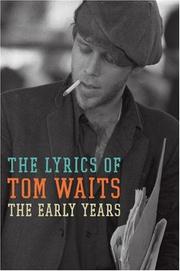 Early YearsRecommended
by Tom Waits
“Berninger describes how specific albums capture moments in time—Tom Waits' Early Years instantly returns him to his parents' fireplace at age 19.”
More from The Moment
We summarize every new episode. Want them in your inbox?
Similar Episodes
Related episodes from other podcasts

The Partially Examined Life
Mar 12
PEL Presents NEM#248: Lande Hekt: Lucky to Be Indie

The Daily (NYT)
May 31
Olivia Rodrigo Tried Writing Love Songs. Then Life Got Messy.

This Week in Startups
Apr 2
How 3 CEOs Use AI to Run $10B in Companies | This Week in AI

Modern Wisdom
Jan 26
#1051 - HARDY - The Personal Pain of Country Music

The Ezra Klein Show
Sep 16
We Are Going to Have to Live Here With Each Other
Explore Related Topics
This podcast is featured in Best Business Podcasts (2026) — ranked and reviewed with AI summaries.
Read this week's Health & Longevity Podcast Insights — cross-podcast analysis updated weekly.
You're clearly into The Moment.
Every Monday, we deliver AI summaries of the latest episodes from The Moment and 192+ other podcasts. Free for one show.
Start My Monday DigestNo credit card · Unsubscribe anytime