Duff McKagan - 12/20/23
Episode
62 min
Read time
3 min
Topics
Relationships, Leadership, Software Development
AI-Generated Summary
Key Takeaways
- ✓Writing Economy from McCarthy: McKagan studies Cormac McCarthy's approach to editing language down to single impactful words, applying this condensed style to rock lyrics where brevity matters. He dedicates Lighthouse to McCarthy, using the novelist's method of aggressive editing where one carefully chosen word carries more weight than verbose passages, translating literary precision into three-minute songs with maximum emotional impact.
- ✓Observational Travel Practice: McKagan deliberately tours through small American towns like Owensboro Kentucky, Hot Springs Arkansas, and Utica New York, staying in Holiday Inns and using local trolleys to visit coffee shops and antique stores. This 40-year practice of face-to-face interaction reveals no political divide in polite society, contradicting cable news narratives and informing songs like Forgiveness about manufactured cultural divisions.
- ✓Panic Attack Management Through Guitar: McKagan carries an acoustic guitar constantly on the road as his primary tool for managing anxiety attacks. He records song ideas immediately on GarageBand iPad, creating crappy demos labeled with question marks for different projects. The song This is the Song emerged complete during a panic attack, demonstrating how the instrument serves dual purposes as creative outlet and therapeutic intervention.
- ✓Sobriety Through Martial Arts Philosophy: After pancreas failure at 30, McKagan studied Yukita Khan martial arts under Sensei Benny, learning Native American teachings about telling loved ones the truth daily and the concept today is a good day to die. This punk rock-aligned philosophy of honesty, dealing with past wounds, and moving forward without self-deception became his framework for sustained sobriety and parenting his two daughters.
- ✓Band Dynamics Over Solo Stardom: McKagan prioritizes collaborative band environments where members trust each other enough to accept better lines or ideas without ego damage. He searched from age 13 through multiple Seattle bands until finding the Magnificent Five in Guns N' Roses, valuing the group's collective strength over individual recognition, though financial security now allows pure creative freedom in solo work without commercial pressure.
What It Covers
Duff McKagan discusses his solo album Lighthouse, his writing process influenced by Cormac McCarthy, observations from traveling to small American towns, managing panic attacks through creativity, getting sober at 30 after pancreas failure, the philosophy of punk rock ethics applied to family and band dynamics, and balancing financial security with artistic authenticity.
Key Questions Answered
- •Writing Economy from McCarthy: McKagan studies Cormac McCarthy's approach to editing language down to single impactful words, applying this condensed style to rock lyrics where brevity matters. He dedicates Lighthouse to McCarthy, using the novelist's method of aggressive editing where one carefully chosen word carries more weight than verbose passages, translating literary precision into three-minute songs with maximum emotional impact.
- •Observational Travel Practice: McKagan deliberately tours through small American towns like Owensboro Kentucky, Hot Springs Arkansas, and Utica New York, staying in Holiday Inns and using local trolleys to visit coffee shops and antique stores. This 40-year practice of face-to-face interaction reveals no political divide in polite society, contradicting cable news narratives and informing songs like Forgiveness about manufactured cultural divisions.
- •Panic Attack Management Through Guitar: McKagan carries an acoustic guitar constantly on the road as his primary tool for managing anxiety attacks. He records song ideas immediately on GarageBand iPad, creating crappy demos labeled with question marks for different projects. The song This is the Song emerged complete during a panic attack, demonstrating how the instrument serves dual purposes as creative outlet and therapeutic intervention.
- •Sobriety Through Martial Arts Philosophy: After pancreas failure at 30, McKagan studied Yukita Khan martial arts under Sensei Benny, learning Native American teachings about telling loved ones the truth daily and the concept today is a good day to die. This punk rock-aligned philosophy of honesty, dealing with past wounds, and moving forward without self-deception became his framework for sustained sobriety and parenting his two daughters.
- •Band Dynamics Over Solo Stardom: McKagan prioritizes collaborative band environments where members trust each other enough to accept better lines or ideas without ego damage. He searched from age 13 through multiple Seattle bands until finding the Magnificent Five in Guns N' Roses, valuing the group's collective strength over individual recognition, though financial security now allows pure creative freedom in solo work without commercial pressure.
- •Conflict De-escalation from Awareness: McKagan's martial arts training combined with observational skills allows him to assess bar confrontations by recognizing the drunk aggressor's fear has nothing to do with him personally. Rather than engage physically despite confidence in fighting ability, he thinks ahead to lawyers and consequences, choosing to defuse situations by agreeing he bumped the person, maintaining self-esteem while avoiding unnecessary violence.
Notable Moment
McKagan describes visiting a museum showcasing dinosaurs as only 5,000 years old and present on Noah's Ark, purposely placing himself in perceived enemy territory. Despite visible tattoos and long hair, he experienced consistent politeness and never once was asked about political affiliation, revealing the manufactured nature of cultural divisions promoted by media versus actual human interaction.
Episode Transcript
Hey. This is the moment of Brian Koppelman. Thanks for listening. I'm really excited about this. Duff McKagan is my guest today. And, wherever it is that you've sort of intersected with what does you have a certain relationship with them? You know, depends on your age. It depends on what you're into. But like, you could have been somebody who Velvet Revolver was your favorite band because you followed Waylon into it. Or you could have been somebody who's your Guns was your favorite band, or you could be from Seattle, or you could be someone who's listened to the Jim Rome show. And there's all sorts of ways you could have found Duff, but he's somebody who's been you know, I've known your work for a long time, man. When someone approached me about this, I was like, I gotta read both books. So I read both books, and you're a good writer. I I'm curious about when there's a third one. You have a a solo album out now. And the solo album and the EP right before it, I think, are such powerful and not just first of all, they're a fucking blast to listen to, but also they are really, about the the moment we're living in, but they're about the moment we're living in, not in a folk music kind of a way, and still, rock and roll swagger y sort of way. And and they're really love the records, and I'm thrilled that that you made them and and we have them. So, Duff, thanks for being here, man. Man, thank you for that intro. Great. Amazing. Yeah, man. Well, it's true. You know, the books are super I wanna tell we'll talk about the books and stuff. But here here I love, people who are autodidacts. You know? I was some I mean, technically, I guess, you're not on autodidact because then you went to school a lot of it. But there's a period of time where you started reading. And, you know, I'm someone who grew up. I have bad ADHD. I also have shared anxiety stuff with you. So which we'll talk about. Which is why these records part of why I like dig these records a lot, you know, because it's subtext. What were you reading though as you were writing this record? Like, what was in your brain as you were writing this record from the outside? And do the themes or vibe from what you're reading, find their way in? Yes. Okay. Right. So what was I reading? You know? So this record, Lighthouse, these are 10 songs from the actual 60 that I recorded that will be coming out. So I read a few things, but I my kinda go to Yeah. For for word I don't know if you'd say word usage. I I I think it's a just the way he attacks is is Cormac McCarthy. And and I do I do dedicate the …
Get the full transcript (11,396 words) + summary by email — free
One-time email with the complete transcript and AI summary of this episode. No account needed.
One email, no spam. We’ll also show you what SignalCast does.

You just read a 3-minute summary of a 59-minute episode.
Get The Moment summarized like this every Monday — plus up to 2 more podcasts, free.
Pick Your Podcasts — FreeKeep Reading


Books, tools, and gear mentioned in this episode
SignalCast may earn commission on purchases via these links. As an Amazon Associate, SignalCast earns from qualifying purchases.
Books
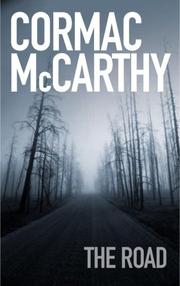 Works by Cormac McCarthyRecommended
by Cormac McCarthy
“McKagan studies Cormac McCarthy's approach to editing language down to single impactful words, applying this condensed style to rock lyrics where brevity matters. He dedicates Lighthouse to McCarthy, using the novelist's method of aggressive editing”
Tools
- GarageBandRecommended
by Apple
“He records song ideas immediately on GarageBand iPad, creating crappy demos labeled with question marks for different projects.”
Products
- LighthouseBy guest
by Duff McKagan
“Duff McKagan discusses his solo album Lighthouse, his writing process influenced by Cormac McCarthy”
More from The Moment
We summarize every new episode. Want them in your inbox?
Similar Episodes
Related episodes from other podcasts

The Partially Examined Life
Mar 12
PEL Presents NEM#248: Lande Hekt: Lucky to Be Indie

The Daily (NYT)
Jul 11
Mick Jagger Isn't Sure He Ever Lets the World See the Real Him

The Rich Roll Podcast
Jun 22
Radiohead’s Ed O’Brien on Depression, Trauma & Finding Light Again
The Daily (NYT)
May 31
Olivia Rodrigo Tried Writing Love Songs. Then Life Got Messy.

The WHOOP Podcast
Jan 14
Healthy Habits To Perform At Your Best with Niall Horan
Explore Related Topics
This podcast is featured in Best Business Podcasts (2026) — ranked and reviewed with AI summaries.
Read this week's Software Engineering Podcast Insights — cross-podcast analysis updated weekly.
You're clearly into The Moment.
Every Monday, we deliver AI summaries of the latest episodes from The Moment and 192+ other podcasts. Free for one show.
Start My Monday DigestNo credit card · Unsubscribe anytime