Episode #244 ... After Virtue - Alasdair MacIntyre (why moral conversations feel unsatisfying)
Episode
36 min
Read time
2 min
Topics
Productivity, Leadership, Software Development
AI-Generated Summary
Key Takeaways
- ✓Teleological Framework Loss: Aristotle's concept that humans have a natural end or purpose allowed virtues to function as bridges from who we are to who we could be. When Enlightenment philosophers removed this teleological foundation while keeping moral terminology like justice and virtue, they created a simulacra of morality—using ethical language without the rational structure that originally gave these concepts meaning and allowed productive moral deliberation.
- ✓Emotivism Diagnosis: Modern moral statements function as emotional expressions rather than truth claims. Saying murder is wrong equals saying boo murder, while charity is good means yay charity. Without shared ends to rationally adjudicate between competing values, moral discourse becomes incommensurable—people talk past each other because they lack common ground to determine which conception of justice or rights should take priority in specific situations.
- ✓Enlightenment Project Failure: Kant tried grounding morality in pure practical reason, utilitarians in happiness maximization, and sentimentalists in human sympathy. MacIntyre argues each attempt either fails entirely or smuggles in assumptions from older moral traditions they claimed to replace. Without teleology, Hume's is-ought distinction becomes inevitable—you cannot derive moral obligations from factual descriptions because there is no shared conception of human flourishing to bridge them.
- ✓Emotivist Culture Characters: Managers, therapists, and protesters gain power in emotivist cultures. Managers translate moral conflicts into value-neutral efficiency language. Therapists focus on means to achieve client-chosen ends without questioning whether those ends constitute a good life. Protesters mobilize public pressure because rational persuasion feels futile when moral positions reduce to preference expressions rather than arguments with truth content that reason can evaluate.
- ✓Shared Practices Solution: Activities like farming, chess, and medicine contain internal goods and standards of excellence that function as modern teleologies. Farming requires soil knowledge, seasonal planning, and equipment maintenance—virtues like patience and honesty make practitioners objectively better at these activities. Communities sustain these practices across generations, creating living moral traditions that enable productive conversations about better and worse ways to pursue excellence within specific domains.
What It Covers
Philosopher Alasdair MacIntyre argues modern moral conversations feel unsatisfying because Enlightenment thinkers removed teleological frameworks that grounded ethical discourse. His book After Virtue traces how removing shared conceptions of human purpose transformed moral debate into emotivism, where people express preferences rather than engage in rational deliberation about virtue and the good life.
Key Questions Answered
- •Teleological Framework Loss: Aristotle's concept that humans have a natural end or purpose allowed virtues to function as bridges from who we are to who we could be. When Enlightenment philosophers removed this teleological foundation while keeping moral terminology like justice and virtue, they created a simulacra of morality—using ethical language without the rational structure that originally gave these concepts meaning and allowed productive moral deliberation.
- •Emotivism Diagnosis: Modern moral statements function as emotional expressions rather than truth claims. Saying murder is wrong equals saying boo murder, while charity is good means yay charity. Without shared ends to rationally adjudicate between competing values, moral discourse becomes incommensurable—people talk past each other because they lack common ground to determine which conception of justice or rights should take priority in specific situations.
- •Enlightenment Project Failure: Kant tried grounding morality in pure practical reason, utilitarians in happiness maximization, and sentimentalists in human sympathy. MacIntyre argues each attempt either fails entirely or smuggles in assumptions from older moral traditions they claimed to replace. Without teleology, Hume's is-ought distinction becomes inevitable—you cannot derive moral obligations from factual descriptions because there is no shared conception of human flourishing to bridge them.
- •Emotivist Culture Characters: Managers, therapists, and protesters gain power in emotivist cultures. Managers translate moral conflicts into value-neutral efficiency language. Therapists focus on means to achieve client-chosen ends without questioning whether those ends constitute a good life. Protesters mobilize public pressure because rational persuasion feels futile when moral positions reduce to preference expressions rather than arguments with truth content that reason can evaluate.
- •Shared Practices Solution: Activities like farming, chess, and medicine contain internal goods and standards of excellence that function as modern teleologies. Farming requires soil knowledge, seasonal planning, and equipment maintenance—virtues like patience and honesty make practitioners objectively better at these activities. Communities sustain these practices across generations, creating living moral traditions that enable productive conversations about better and worse ways to pursue excellence within specific domains.
Notable Moment
MacIntyre uses the metaphor of a world where people stop trusting the scientific method but continue using scientific terminology like gravity and atoms, each person developing their own truth about what these terms mean. This parallels how we use moral language like justice and virtue without the teleological framework that originally made rational deliberation about these concepts possible.
Episode Transcript
Hello, everyone. I'm Stephen West. This is Philosophize This. Patreon.com/philosophizethis. Philosophical writing on Substack at Philosophize This on there. I hope you love the show today. So I want you to imagine a world where some kind of major crisis goes down in the sciences, where then after it happens, people no longer believed in the scientific method anymore as a reliable way of arriving at knowledge about the world. In other words, imagine in this world people no longer believe that it's valid for scientists to go out into the field, run their experiments, imagine all that stuff's just not trusted anymore, But that at a cultural level, people still go on and use all kinds of scientific terminology as a way to describe all the things around them. Imagine people still use terms like gravity in everyday discussion. They may talk about the the nucleus of something in a conversation. They They may talk about the inertia of their career. But imagine they use these scientific terms without the foundation that made sense of these things in the first place. Well, eventually, what you might see there are people that have their own definitions of what gravity is or what gravity means to them. You know, this is my truth when it comes to gravity, they might say. Atoms to me just behave differently than atoms do to you. The whole picture of this may seem kind of ridiculous at first, but to the guy we're talking about today, Alasdair MacIntyre, this is a metaphor he uses at the beginning of his book After Virtue to explain what he thinks is actually going on when it comes to the confusion we often run into in our modern conversations about morality. To put it simply, he thinks we live today in something like a hellscape of emotivism. In a world where conversations about morality are rarely productive, never satisfying. Or if we ever wanna live in a world again where we can have conversations about morality without constantly talking past each other, then we have to understand the history of moral thought that got us into this spot and the important piece that was removed many years ago that made these conversations productive. And he spends the first part of this book doing just that. It becomes a genealogy of the history of moral thought. Out of respect to your time, I'm just gonna get right into it. So we have plenty of time to get to the arguments he makes after he lays it out. So you go back far enough into history, he says, and eventually you'll run into a way that people used to talk about morality that was centered around storytelling and the roles that people used to play in their society. He's talking specifically about the period of time surrounding stories like the Iliad and the Odyssey by Homer, about the sixth century BC, give or take, where to call someone a virtuous person …
Get the full transcript (7,665 words) + summary by email — free
One-time email with the complete transcript and AI summary of this episode. No account needed.
One email, no spam. We’ll also show you what SignalCast does.

You just read a 3-minute summary of a 33-minute episode.
Get Philosophize This! summarized like this every Monday — plus up to 2 more podcasts, free.
Pick Your Podcasts — FreeKeep Reading
More from Philosophize This!
Episode #252 ... Slaughterhouse-Five - Kurt Vonnegut
Aug 29 · 34 min

The Partially Examined Life
Ep. 370: Christine Korsgaard on the History of Ethics (Part One)
Jun 30
More from Philosophize This!
Episode #251 ... You Must Change Your Life, Pt. 2 - The Worlds That Make Us
Aug 8 · 35 min

The Diary of a CEO
Most Replayed Moment: Christian vs Atheist - Is Faith A Human Creation?
Oct 16
Books, tools, and gear mentioned in this episode
SignalCast may earn commission on purchases via these links. As an Amazon Associate, SignalCast earns from qualifying purchases.
Books
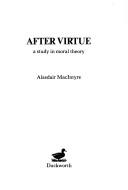 After VirtueBy guest
by Alasdair MacIntyre
“His book After Virtue traces how removing shared conceptions of human purpose transformed moral debate into emotivism, where people express preferences rather than engage in rational deliberation about virtue and the good life.”
Tools
More from Philosophize This!
We summarize every new episode. Want them in your inbox?
Episode #252 ... Slaughterhouse-Five - Kurt Vonnegut
Episode #251 ... You Must Change Your Life, Pt. 2 - The Worlds That Make Us
Episode #250 ... You Must Change Your Life. - Peter Sloterdijk
Episode #249 ... The Trap of Modern Cynicism - Peter Sloterdijk
Episode #248 ... What philosophers say about lying.
Similar Episodes
Related episodes from other podcasts

The Partially Examined Life
Jun 30
Ep. 370: Christine Korsgaard on the History of Ethics (Part One)

The Diary of a CEO
Oct 16
Most Replayed Moment: Christian vs Atheist - Is Faith A Human Creation?

Modern Wisdom
Oct 12
Why Life Feels So Dull All The Time (and how to fix it) - Robert Greene - #1162

The Jordan Harbinger Show
Sep 17
1383: Christopher Ryan | The Dark Side of Civilization and Progress

Odd Lots
Sep 12
Robert Friedland on the World's Monumental Shortage of Copper
Explore Related Topics
This podcast is featured in Best Philosophy Podcasts (2026) — ranked and reviewed with AI summaries.
Read this week's Software Engineering Podcast Insights — cross-podcast analysis updated weekly.
You're clearly into Philosophize This!.
Every Monday, we deliver AI summaries of the latest episodes from Philosophize This! and 192+ other podcasts. Free for one show.
Start My Monday DigestNo credit card · Unsubscribe anytime