Episode #238 ... Frankenstein - Mary Shelley
Episode
30 min
Read time
2 min
Topics
Health & Wellness, Product & Tech Trends, Psychology & Behavior
AI-Generated Summary
Key Takeaways
- ✓Scientific accountability: Creating powerful technology in isolation without community oversight and ethical consideration produces dangerous outcomes. Scientists must integrate moral responsibility into innovation processes rather than treating discoveries as morally neutral achievements that exist separate from their societal impact.
- ✓Creator responsibility: Abandoning creations—whether children, technology, or scientific experiments—after bringing them into existence creates monsters through neglect. The creator bears moral responsibility for consequences when their creation lacks guidance, care, education, and social recognition necessary for healthy development and integration.
- ✓Social ostracism effects: Groups systematically denied recognition and treated as subhuman by society often respond with escalating anger, resentment, and violence. Societies have ethical obligations to provide all members guidance and belonging, as exclusion based on appearance or immutable characteristics creates predictable destructive outcomes.
- ✓Romantic versus Enlightenment attitudes: Combining romantic wonder about nature's mysteries with Enlightenment confidence in rational mastery becomes dangerous without ethical checks. Neither worldview alone causes harm, but their mixture in isolated individuals pursuing unchecked ambition produces reckless experimentation with catastrophic community consequences.
What It Covers
Mary Shelley's Frankenstein explores the dangers of scientific progress divorced from ethics and community accountability, examining themes of parental responsibility, social ostracism, and the consequences of creating life without considering moral obligations to one's creations.
Key Questions Answered
- •Scientific accountability: Creating powerful technology in isolation without community oversight and ethical consideration produces dangerous outcomes. Scientists must integrate moral responsibility into innovation processes rather than treating discoveries as morally neutral achievements that exist separate from their societal impact.
- •Creator responsibility: Abandoning creations—whether children, technology, or scientific experiments—after bringing them into existence creates monsters through neglect. The creator bears moral responsibility for consequences when their creation lacks guidance, care, education, and social recognition necessary for healthy development and integration.
- •Social ostracism effects: Groups systematically denied recognition and treated as subhuman by society often respond with escalating anger, resentment, and violence. Societies have ethical obligations to provide all members guidance and belonging, as exclusion based on appearance or immutable characteristics creates predictable destructive outcomes.
- •Romantic versus Enlightenment attitudes: Combining romantic wonder about nature's mysteries with Enlightenment confidence in rational mastery becomes dangerous without ethical checks. Neither worldview alone causes harm, but their mixture in isolated individuals pursuing unchecked ambition produces reckless experimentation with catastrophic community consequences.
Notable Moment
The creature begins life as a vegetarian collecting firewood to help families, teaching itself to read Plutarch and Milton. Only after repeated human rejection based solely on appearance does it turn violent, forcing readers to question what truly constitutes personhood versus monstrosity.
Episode Transcript
Hello, everyone. I'm Stephen West. This is Philosophize This. Patreon.com/philosophize this. Philosophical writing on Substack at Philosophize This on there. I hope you love the show today. So this episode's about the philosophical themes of the book Frankenstein by Mary Shelley. And I think out of respect to your time, it's worth it to clear up a few misconceptions real briefly right here at the start that'll help frame this whole thing. First of all, for anyone just getting started with this book, Victor Frankenstein is the name of the scientist that makes the monster in this book. The monster is not named Frankenstein. In fact, the monster in the book doesn't really have a name, which as we'll see is part of the point that Mary Shelley was going for. Secondly, I think most people when they think of Frankenstein's monster, they think of this, you know, giant green dude, bolts coming out of his neck. He's got a bowl cut, and he just sort of lumbers around all stiff moaning at people, like, you know, like he's a zombie or something. Just know this is a Hollywood thing that came from when they made the Frankenstein movie in the nineteen thirties. This is nothing like the creature Mary Shelley describes in the book. In the book, this creature is articulate. He's fast, murdering people, planting evidence, framing people for murder. I mean, the thing climbs up into the Alps at one point and surprises Victor Frankenstein just sitting on a glacier because he wants to have a private conversation with him. Just know that as we talk about this book, this is the actual kind of monster depicted in the story, Hollywood images aside. The last thing I wanted to clear up here is if you wanted to feel horrible about how little you've done with your life, Fun fact, Mary Shelley wrote this book when she was 18, 19 years old. It was published anonymously at first in the year 1818 when she was just 20. A book, by the way, were parts of it were a hundred years ahead of its time in terms of the philosophy and it being popular to be discussed, a situation that's pretty unbelievable on its own. And it only becomes slightly more believable when you consider the fact that she was the daughter of Mary Wollstonecraft, legendary philosopher. We've done an episode on her. Wrote a vindication of the rights of women among other things. But But the reason I bring it up is because Mary Wollstonecraft dies just eleven days after Mary Shelley is born. So this is someone that grows up without a mom, but spends her entire youth admiring the work that her mother did. Her father, turns out, was a famous writer as well in William Godwin. And again, as an 18 year old person on this planet, Mount Tambora erupts in Indonesia when she's 18. And while people are staying indoors a lot because of …
Get the full transcript (6,207 words) + summary by email — free
One-time email with the complete transcript and AI summary of this episode. No account needed.
One email, no spam. We’ll also show you what SignalCast does.

You just read a 3-minute summary of a 27-minute episode.
Get Philosophize This! summarized like this every Monday — plus up to 2 more podcasts, free.
Pick Your Podcasts — FreeKeep Reading
More from Philosophize This!
Episode #252 ... Slaughterhouse-Five - Kurt Vonnegut
Aug 29 · 34 min

Everything Everywhere Daily
The History of Science Fiction
Feb 9
More from Philosophize This!
Episode #251 ... You Must Change Your Life, Pt. 2 - The Worlds That Make Us
Aug 8 · 35 min

Modern Wisdom
How To Go Hard, Even When You Don’t Want To - Sam Sulek - #1157
Oct 1
Books, tools, and gear mentioned in this episode
SignalCast may earn commission on purchases via these links. As an Amazon Associate, SignalCast earns from qualifying purchases.
Books

“The creature begins life as a vegetarian collecting firewood to help families, teaching itself to read Plutarch and Milton.”
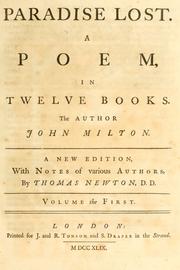
by John Milton
“The creature begins life as a vegetarian collecting firewood to help families, teaching itself to read Plutarch and Milton.”

by Mary Shelley
“Mary Shelley's Frankenstein explores the dangers of scientific progress divorced from ethics and community accountability, examining themes of parental responsibility, social ostracism, and the consequences of creating life without considering moral obligations to one's creations.”
More from Philosophize This!
We summarize every new episode. Want them in your inbox?
Episode #252 ... Slaughterhouse-Five - Kurt Vonnegut
Episode #251 ... You Must Change Your Life, Pt. 2 - The Worlds That Make Us
Episode #250 ... You Must Change Your Life. - Peter Sloterdijk
Episode #249 ... The Trap of Modern Cynicism - Peter Sloterdijk
Episode #248 ... What philosophers say about lying.
Similar Episodes
Related episodes from other podcasts

Everything Everywhere Daily
Feb 9
The History of Science Fiction

Modern Wisdom
Oct 1
How To Go Hard, Even When You Don’t Want To - Sam Sulek - #1157

The Daily (NYT)
Aug 4
Will Michigan Rewrite the Rules of Democratic Politics?

Pivot
Jul 3
Trump's Crypto Windfall, Dems' Anti-Establishment Wave, and the Supreme Court’s Big Week

No Priors: Artificial Intelligence | Technology | Startups
Jun 10
Biohub: The Future of Biology is Open-Source with Co-Founders Mark Zuckerberg, Priscilla Chan, and Head of Science Alex Rives
Explore Related Topics
This podcast is featured in Best Philosophy Podcasts (2026) — ranked and reviewed with AI summaries.
Read this week's Health & Longevity Podcast Insights — cross-podcast analysis updated weekly.
You're clearly into Philosophize This!.
Every Monday, we deliver AI summaries of the latest episodes from Philosophize This! and 192+ other podcasts. Free for one show.
Start My Monday DigestNo credit card · Unsubscribe anytime