The Epic of Gilgamesh
Episode
15 min
Read time
2 min
Topics
Leadership, Software Development, Crypto & Web3
AI-Generated Summary
Key Takeaways
- ✓Origins of narrative storytelling: The Epic of Gilgamesh began as oral songs performed by traveling Sumerian storytellers called Gala, who played three-stringed instruments called Gishgudi. A Babylonian poet named Skynle Kinunikni later compiled the definitive written version pressed into clay tablets.
- ✓Cross-cultural flood myth parallels: The Gilgamesh flood narrative — featuring a chosen survivor, an ark filled with animals, and a boat resting on a mountain — predates Genesis by centuries. Hebrew writers composed the Noah story while in Babylonian captivity, directly exposing them to Sumerian literary tradition.
- ✓The immortality paradox: Gilgamesh fails two tests of immortality — staying awake seven nights and retrieving a youth-granting sea plant — before learning that personal legacy through ethical leadership outlasts physical existence, a framework still embedded in modern morality storytelling.
- ✓Rediscovery and accidental immortality: British archaeologist Austin Henry Layard excavated 12 Gilgamesh clay tablets from Nineveh's Assyrian Library in 1849. Self-taught Assyriologist George Smith decoded the cuneiform script by 1872, inadvertently granting Gilgamesh the immortality his story spent 5,000 years pursuing.
What It Covers
The Epic of Gilgamesh, a 5,000-year-old Sumerian story originating in Uruk, modern-day Iraq, traces humanity's earliest written exploration of friendship, mortality, and legacy through the journey of a demigod king.
Key Questions Answered
- •Origins of narrative storytelling: The Epic of Gilgamesh began as oral songs performed by traveling Sumerian storytellers called Gala, who played three-stringed instruments called Gishgudi. A Babylonian poet named Skynle Kinunikni later compiled the definitive written version pressed into clay tablets.
- •Cross-cultural flood myth parallels: The Gilgamesh flood narrative — featuring a chosen survivor, an ark filled with animals, and a boat resting on a mountain — predates Genesis by centuries. Hebrew writers composed the Noah story while in Babylonian captivity, directly exposing them to Sumerian literary tradition.
- •The immortality paradox: Gilgamesh fails two tests of immortality — staying awake seven nights and retrieving a youth-granting sea plant — before learning that personal legacy through ethical leadership outlasts physical existence, a framework still embedded in modern morality storytelling.
- •Rediscovery and accidental immortality: British archaeologist Austin Henry Layard excavated 12 Gilgamesh clay tablets from Nineveh's Assyrian Library in 1849. Self-taught Assyriologist George Smith decoded the cuneiform script by 1872, inadvertently granting Gilgamesh the immortality his story spent 5,000 years pursuing.
Notable Moment
Gilgamesh successfully retrieves a youth-granting plant from the ocean floor by tying stones to his ankles — only for a serpent to steal it while he bathes, mirroring the serpent's role denying immortality in Genesis.
Episode Transcript
Over four thousand years ago in the cities of Mesopotamia, people told the story of a mighty king who sought fame, found friendship, faced devastating loss, and went searching for the secret of eternal life. The story is one of the oldest written stories in the world, and many of its tropes still play a part in storytelling today. And this character from four thousand years ago has even found a place in the Marvel Universe. Learn more about the epic of Gilgamesh, the world's first written story, on this episode of Everything Everywhere Daily. This episode is sponsored by Quince. Summer's here, and if you happen to live in a place with actual seasons as I do, that means wearing entirely different clothes. Wool sweaters are great when the temperatures drop, but they're not the best option when you're outside in the sun. Quince has European linen pants and shirts that are the perfect warm weather upgrade to add to your rotation starting at just $34. Their t shirts are soft and easy to wear, and their lightweight cotton sweaters are perfect for cool summer nights. I just got two Quince t shirts myself, and I love them. As always, everything at Quince is priced 50 to 80% less than similar brands, and they can do that by working directly with ethical factories and cutting out the middleman, so you're paying for quality, not brand markup. Elevate your summer wardrobe. Go to quince.com/daily for free shipping on your order and three hundred sixty five day returns. Now available in Canada too. That's quince.com/daily for free shipping and three hundred sixty five day returns. Quince.com/daily. This episode is sponsored by HexClad. Over a year ago, I invested in a set of HexClad cookware. I got a griddle, a stock pot, and two frying pans. And I have been loving it, and I use it almost every single day in my house. HexClad completely changed the game by combining the performance of stainless steel with the convenience of nonstick in a single pan. HexClad gives you a proper sear, great heat control, and cleanup that doesn't turn into a whole second job after dinner. After I cook something, cleanup is a simple matter of wiping it off or just doing some very light scrubbing. I'm no Gordon Ramsay when it comes to cooking, but there is a good reason why Gordon Ramsay uses hexclad both at home and in his restaurants. Don't go through another summer with cookware that makes every meal harder than it needs to be. For just a limited time only, my listeners get 10% off their order with my exclusive link. Just head to hexclad.com/daily. Support the show and check them out at hexclad.com/daily. Make sure to let them know I sent you. The Epic of Gilgamesh dates back to the Sumerian city state of Uruk in modern day Iraq. An oral version of the story almost certainly predates the earliest written copies, which are almost 5,000 …
Get the full transcript (2,474 words) + summary by email — free
One-time email with the complete transcript and AI summary of this episode. No account needed.
One email, no spam. We’ll also show you what SignalCast does.

You just read a 3-minute summary of a 12-minute episode.
Get Everything Everywhere Daily summarized like this every Monday — plus up to 2 more podcasts, free.
Pick Your Podcasts — FreeKeep Reading
More from Everything Everywhere Daily
Cod: The Fish That Shaped History
Sep 14 · 14 min

The Daily (NYT)
What’s Epic About the ‘Odyssey’? Everything.
Jul 12
More from Everything Everywhere Daily
The Cheyenne Mountain Complex
Sep 13 · 16 min

The Rich Roll Podcast
Thrilling Tales Of Modern Men: Danny McBride On Ego, Grievance & The Stories Men Tell Themselves
Jul 6
Books, tools, and gear mentioned in this episode
SignalCast may earn commission on purchases via these links. As an Amazon Associate, SignalCast earns from qualifying purchases.
Books
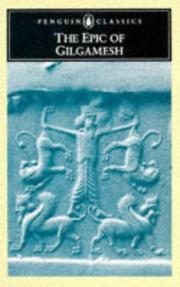
“The Epic of Gilgamesh, a 5,000-year-old Sumerian story originating in Uruk, modern-day Iraq, traces humanity's earliest written exploration of friendship, mortality, and legacy through the journey of a demigod king.”
More from Everything Everywhere Daily
We summarize every new episode. Want them in your inbox?
Similar Episodes
Related episodes from other podcasts

The Daily (NYT)
Jul 12
What’s Epic About the ‘Odyssey’? Everything.

The Rich Roll Podcast
Jul 6
Thrilling Tales Of Modern Men: Danny McBride On Ego, Grievance & The Stories Men Tell Themselves

Planet Money
Jun 24
Before Kalshi and Polymarket there was the Iowa Electronic Markets

Stuff You Should Know
Feb 7
Selects: Why Do Great Flood Myths Seem To Be Universal?

99% Invisible
Feb 3
The Em Dash
Explore Related Topics
This podcast is featured in Best History Podcasts (2026) — ranked and reviewed with AI summaries.
Read this week's Software Engineering Podcast Insights — cross-podcast analysis updated weekly.
You're clearly into Everything Everywhere Daily.
Every Monday, we deliver AI summaries of the latest episodes from Everything Everywhere Daily and 192+ other podcasts. Free for one show.
Start My Monday DigestNo credit card · Unsubscribe anytime