Selects: Why Do Great Flood Myths Seem To Be Universal?
Episode
44 min
Read time
2 min
Topics
Leadership, Science & Discovery, History
AI-Generated Summary
Key Takeaways
- ✓Epic of Gilgamesh predates Noah: George Smith discovered in 1872 that Mesopotamian flood myths written in cuneiform predate the Old Testament by several hundred years, featuring Utanapishtim building a boat after God Enlil warned of flooding due to noisy humans. This suggests biblical flood stories adapted from earlier sources, though both may reference actual events.
- ✓Geomythology validates ancient accounts: Scientists now correlate geological evidence with cultural myths rather than dismissing them as pure fiction. A 2016 study confirmed a Chinese flood myth from four thousand years ago by finding landslide sediment and dam evidence matching Emperor Yu's story, demonstrating how preliterate cultures preserved eyewitness accounts of natural disasters through mythology.
- ✓Black Sea catastrophic flood theory: Oceanographers William Ryan and Walter Pittman propose that seven thousand years ago, rising Mediterranean waters burst through the Bosporus Strait, creating a waterfall two hundred times Niagara's volume and flooding enough to submerge Manhattan by three thousand feet. Coastal settlements disappeared as shorelines advanced one mile daily, potentially inspiring widespread flood myths.
- ✓Pacific Northwest tsunami documented: Indigenous Ho and Quileute legends about Thunderbird fighting Whale correlate with a magnitude nine earthquake in 1700 AD that triggered tsunamis from Vancouver Island to Northern California. Japanese Buddhist temple records from January 6, 1700 confirm the wave reached Japan, validating oral traditions through cross-cultural geological evidence.
- ✓Doggerland submersion preserved in myth: The North Sea once contained land connecting Britain to Scandinavia until eighty five hundred years ago when the Storiga underwater landslide generated massive tsunamis. Submerged settlement traces match British flood legends about a king's daughter opening floodgates, showing how catastrophic events survive as cultural stories across millennia.
What It Covers
This episode examines flood myths across cultures, exploring why similar deluge stories appear worldwide from Noah's Ark to the Epic of Gilgamesh. The discussion covers geomythology, a field that correlates ancient legends with actual geological events like tsunamis, rising sea levels, and catastrophic floods from seven thousand years ago.
Key Questions Answered
- •Epic of Gilgamesh predates Noah: George Smith discovered in 1872 that Mesopotamian flood myths written in cuneiform predate the Old Testament by several hundred years, featuring Utanapishtim building a boat after God Enlil warned of flooding due to noisy humans. This suggests biblical flood stories adapted from earlier sources, though both may reference actual events.
- •Geomythology validates ancient accounts: Scientists now correlate geological evidence with cultural myths rather than dismissing them as pure fiction. A 2016 study confirmed a Chinese flood myth from four thousand years ago by finding landslide sediment and dam evidence matching Emperor Yu's story, demonstrating how preliterate cultures preserved eyewitness accounts of natural disasters through mythology.
- •Black Sea catastrophic flood theory: Oceanographers William Ryan and Walter Pittman propose that seven thousand years ago, rising Mediterranean waters burst through the Bosporus Strait, creating a waterfall two hundred times Niagara's volume and flooding enough to submerge Manhattan by three thousand feet. Coastal settlements disappeared as shorelines advanced one mile daily, potentially inspiring widespread flood myths.
- •Pacific Northwest tsunami documented: Indigenous Ho and Quileute legends about Thunderbird fighting Whale correlate with a magnitude nine earthquake in 1700 AD that triggered tsunamis from Vancouver Island to Northern California. Japanese Buddhist temple records from January 6, 1700 confirm the wave reached Japan, validating oral traditions through cross-cultural geological evidence.
- •Doggerland submersion preserved in myth: The North Sea once contained land connecting Britain to Scandinavia until eighty five hundred years ago when the Storiga underwater landslide generated massive tsunamis. Submerged settlement traces match British flood legends about a king's daughter opening floodgates, showing how catastrophic events survive as cultural stories across millennia.
Notable Moment
The discussion reveals how a Hungarian psychoanalyst in the nineteen thirties proposed that universal flood myths originated from people drinking excessive water before bed, causing dreams about flooding and urination. This bizarre theory contrasts sharply with modern geomythology's evidence-based approach to correlating ancient stories with actual geological catastrophes.
Episode Transcript
This is an iHeart podcast. Guaranteed human. With no fees or minimums on checking accounts, it's no wonder the Capital One bank guy is so passionate about banking with Capital One. If he were here, he wouldn't just tell you about no fees or minimums. He'd also talk about how most Capital One cafes are open seven days a week to assist with your banking needs. Yep. Even on weekends. It's pretty much all he talks about in a good way. What's in your wallet? Terms apply. See capital1.com/bank. Capital One, n a, member, FDIC. This message is sponsored by Regeneron and Sanofi. Josh Clark and Chuck Bryant do not have direct experience with the product advertised or the disease. You know that feeling when you get an itch that you just can't ignore? When you scratch and it comes back, you scratch again, still there. If you have eczema, you know exactly what I'm talking about. Eczema is more than just dry skin. It's relentless itching. It's uncomfortable. If you feel like your moderate to severe eczema isn't under control with topical prescription therapies, it may be time to ask about Dupixent, dupilumab. Dupixent works inside the body to help block a key source of inflammation that can cause flare ups on the outside for clearer skin and less itch, and it's not a steroid or immunosuppressant. Severe allergic reactions, including skin reactions, can occur. Get help right away for face, mouth, tongue, or throat swelling, wheezing, or trouble breathing. Tell your doctor of new or worsening eye problems like eye pain, vision changes, skin symptoms, joint aches and pain, or a parasitic infection. Don't change or stop other treatments without talking to your doctor. DUPIXENT helps heal your skin from within. Talk to your eczema specialist about DUPIXENT or visit dupixent.com to learn more. Hey, everyone. We want to introduce Applebee's new o m cheeseburger for $11.99 because there's no such thing as too much cheese. Let me tell you about this thing. It's their juicy bacon cheeseburger with an all beef patty, melty American cheese, crispy applewood smoked bacon, and spicy honey mustard served on a sizzling skillet of cheesy deliciousness. So you can dip your fries and cheese, your burger and cheese, your cheese and cheese. Just head to your nearest Applebee's or order online to try the new o m cheeseburger for $11.99. Limited time, price, participation, and selection may vary, tax and gratuity excluded. Hey, everybody. It's Josh, and I have one word to describe this week's select from 2021 on why there are so many myths about a great flood found in cultures around the world. That word is fascinating. But I'll add a few more words, I guess. This is one of those good old fashioned stuff you should know episodes where we find out that a thing that everyone just kinda takes for granted actually has a lot more to it than it seems. And I love those episodes. And I …
Get the full transcript (9,077 words) + summary by email — free
One-time email with the complete transcript and AI summary of this episode. No account needed.
One email, no spam. We’ll also show you what SignalCast does.

You just read a 3-minute summary of a 41-minute episode.
Get Stuff You Should Know summarized like this every Monday — plus up to 2 more podcasts, free.
Pick Your Podcasts — FreeKeep Reading


Books, tools, and gear mentioned in this episode
SignalCast may earn commission on purchases via these links. As an Amazon Associate, SignalCast earns from qualifying purchases.
Books
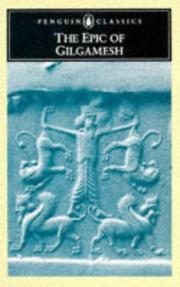
“This episode examines flood myths across cultures, exploring why similar deluge stories appear worldwide from Noah's Ark to the Epic of Gilgamesh.”
More from Stuff You Should Know
We summarize every new episode. Want them in your inbox?
Similar Episodes
Related episodes from other podcasts

Everything Everywhere Daily
Jul 20
Ancient Deforestation

My First Million
Mar 19
This guy cured his dog’s cancer with ChatGPT + 4 other crazy AI stories

Masters of Scale
Aug 25
Ford's Jim Farley on beating China, and the storm nobody sees coming

20VC (20 Minute VC)
Aug 24
20VC: Inside Sequoia's Investment Committee: Lessons from Don Valentine, Doug Leone and Alfred Lin | How the SpaceX and Citadel Deals Went Down | What Sequoia Specifically Looks for in Founders with Julien Bek

Radiolab
Aug 21
Patient Zero
Explore Related Topics
This podcast is featured in Best Science Podcasts (2026) — ranked and reviewed with AI summaries.
You're clearly into Stuff You Should Know.
Every Monday, we deliver AI summaries of the latest episodes from Stuff You Should Know and 192+ other podcasts. Free for one show.
Start My Monday DigestNo credit card · Unsubscribe anytime