ReThinking: Matthew McConaughey on avoiding cynicism and finding gratitude
Episode
34 min
Read time
2 min
Topics
Productivity, Health & Wellness, Psychology & Behavior
AI-Generated Summary
Key Takeaways
- ✓Cynicism versus skepticism: Cynicism assumes the worst and blocks belief entirely, while skepticism allows discernment and judgment while remaining open to positive choices. Research across 200,000 adults in 30 countries shows people with poor reasoning skills are more likely to be cynical as a defense mechanism, but this protection causes them to miss genuine opportunities for connection and trust.
- ✓High aspirations with modest expectations: Pursue divine-level aspirations during preparation and execution to drive excellence, then immediately detach from outcomes afterward. McConaughey aims for immortal, mythological impact in his work but accepts mortal results without disappointment. This approach prevents the paralysis of unmet expectations while maintaining the motivational power of ambitious goals throughout the creative process.
- ✓Making positives plural: Speak about negative experiences in past tense to block their prophecy in the future, while actively compounding positive experiences. Feed the good wolf by focusing energy on strengths rather than fixing weaknesses. This pragmatic optimism creates a self-fulfilling cycle where seeing value in others causes them to respond in kind, generating more positive outcomes than dwelling on setbacks.
- ✓Gratitude as daily practice: Begin prayers and meals with specific gratitude statements, but avoid daily lists that become rote mantras. Weekly gratitude practices produce stronger happiness effects than daily ones because they maintain freshness and intentionality. Humor unlocks deeper gratitude sharing—vulnerability about genuine appreciation creates space for others to express meaningful thanks beyond surface-level acknowledgments.
- ✓Maintaining parental access: Withhold immediate judgment when teenagers share information to preserve their willingness to communicate. Listen fully without interrupting to correct behavior, then discuss potential consequences after they finish speaking. This approach keeps channels open as children age, preventing the shutdown that occurs when parents react with instant criticism to every shared confidence or mistake.
What It Covers
Matthew McConaughey discusses his journey from self-doubt to renewed belief, distinguishing between healthy skepticism and destructive cynicism. He shares how writing his second book helped him combat doubt in himself and others, while exploring gratitude practices, managing high aspirations without disappointment, and maintaining optimism through intentional perspective shifts.
Key Questions Answered
- •Cynicism versus skepticism: Cynicism assumes the worst and blocks belief entirely, while skepticism allows discernment and judgment while remaining open to positive choices. Research across 200,000 adults in 30 countries shows people with poor reasoning skills are more likely to be cynical as a defense mechanism, but this protection causes them to miss genuine opportunities for connection and trust.
- •High aspirations with modest expectations: Pursue divine-level aspirations during preparation and execution to drive excellence, then immediately detach from outcomes afterward. McConaughey aims for immortal, mythological impact in his work but accepts mortal results without disappointment. This approach prevents the paralysis of unmet expectations while maintaining the motivational power of ambitious goals throughout the creative process.
- •Making positives plural: Speak about negative experiences in past tense to block their prophecy in the future, while actively compounding positive experiences. Feed the good wolf by focusing energy on strengths rather than fixing weaknesses. This pragmatic optimism creates a self-fulfilling cycle where seeing value in others causes them to respond in kind, generating more positive outcomes than dwelling on setbacks.
- •Gratitude as daily practice: Begin prayers and meals with specific gratitude statements, but avoid daily lists that become rote mantras. Weekly gratitude practices produce stronger happiness effects than daily ones because they maintain freshness and intentionality. Humor unlocks deeper gratitude sharing—vulnerability about genuine appreciation creates space for others to express meaningful thanks beyond surface-level acknowledgments.
- •Maintaining parental access: Withhold immediate judgment when teenagers share information to preserve their willingness to communicate. Listen fully without interrupting to correct behavior, then discuss potential consequences after they finish speaking. This approach keeps channels open as children age, preventing the shutdown that occurs when parents react with instant criticism to every shared confidence or mistake.
Notable Moment
McConaughey describes spending eight days alone in the desert reading four decades of personal journals, initially experiencing intense shame and embarrassment at his past arrogance and mistakes. After the eighth day, he began laughing at the same stories, recognizing that his cocky missteps positioned him for humiliating lessons that became essential growth experiences worth sharing.
Episode Transcript
With no fees or minimums on checking accounts, it's no wonder the Capital One bank guy is so passionate about banking with Capital One. If he were here, he wouldn't just tell you about no fees or minimums. He'd also talk about how most Capital One cafes are open seven days a week to assist with your banking needs. Yep. Even on weekends, it's pretty much all he talks about in a good way. What's in your wallet? Terms apply. See capital1.com/bank. Capital One, n a member, FDIC. This message is brought to you by Apple Card. Apple Card members can earn unlimited daily cash back on everyday purchases wherever they shop. This means you could be earning daily cash on just about anything, like a slice of pizza from your local pizza place or a latte from the corner coffee shop. Apply for Apple Card in the Wallet app to see your credit limit offer in minutes. Subject to credit approval, Apple Card issued by Goldman Sachs Bank USA, Salt Lake City branch. Terms and more at applecard.com. This episode is sponsored by Gab. We know that social media plays a role in today's youth mental health crisis. Teens now spend an average of nine hours a day on screens outside of school. That's essentially a full time job. But there's good news. There's a company called Gabb that's tackling the problem by doing something different. They're introducing tech in steps. Gabb's Kidsafe phones and watches are designed specifically for growing kids, starting with GPS enabled watches for younger children and evolving into phones with more features for tweens and teens, all with strong parental controls. Bottom line, you don't have to hand your kid a device made for an adult. Give them Gab so they can stay connected safely. Visit gab.com/worklife and use code work life for a special offer. That's gabb.com/worklife. I had the three and a half hour monologue with Carl Sagan. And when he was done and talking about where we are in the universe, where the Earth is, where our galaxy is, where this universe, wherein there's multiple universes and a black hole in the middle, and basically, it's expanding just as a balloon does as the universe expands. And our galaxy is right here at the top left corner of the number five on a clock. And righty got to the end, and I was overwhelmed. And in myself, I was like, therefore, God exists. And before I could say it, he goes, and therefore, God doesn't exist. And I went, woah. Wow. He and I laughed our ass off. It was beautiful. Hey, everyone. It's Adam Grant. Welcome back to Rethinking, my podcast with Ted on the science of what makes us tick. I'm an organizational psychologist, and I'm taking you inside the minds of fascinating people to explore new thoughts and new ways of thinking. You probably know Matthew McConaughey from one of his many acting roles. I love his space …
Get the full transcript (7,798 words) + summary by email — free
One-time email with the complete transcript and AI summary of this episode. No account needed.
One email, no spam. We’ll also show you what SignalCast does.

You just read a 3-minute summary of a 31-minute episode.
Get WorkLife with Adam Grant summarized like this every Monday — plus up to 2 more podcasts, free.
Pick Your Podcasts — FreeKeep Reading
More from WorkLife with Adam Grant
Diagnose your team’s problems with the Waterline Model
Oct 20 · 28 min

The School of Greatness
The 3 AM Truth That Cost Him $14.5 Million | Matthew McConaughey
Jul 17
More from WorkLife with Adam Grant
Feeling stuck? Why your first job might have all the answers.
Oct 13 · 46 min

The Mel Robbins Podcast
Simple Steps for Getting Unstuck: Do THIS and Change Your Life
Mar 12
Books, tools, and gear mentioned in this episode
SignalCast may earn commission on purchases via these links. As an Amazon Associate, SignalCast earns from qualifying purchases.
Books
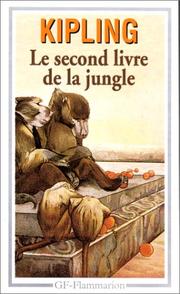
“He shares how writing his second book helped him combat doubt in himself and others”
More from WorkLife with Adam Grant
We summarize every new episode. Want them in your inbox?
Diagnose your team’s problems with the Waterline Model
Feeling stuck? Why your first job might have all the answers.
How to nail your story in an interview with Jamie Tilotta Green
The grief, loneliness, and burnout sweeping through the tech industry right now | from Lenny's Podcast
How to survive a life quake with Chip Conley
Similar Episodes
Related episodes from other podcasts

The School of Greatness
Jul 17
The 3 AM Truth That Cost Him $14.5 Million | Matthew McConaughey

The Mel Robbins Podcast
Mar 12
Simple Steps for Getting Unstuck: Do THIS and Change Your Life

a16z Podcast
Oct 12
The Race to Recursive Self-Improving AI

The Tim Ferriss Show
Aug 12
#879: How to Reinvent Yourself and Make Bold Moves — Decisive Stories from Matthew McConaughey, Steve Young, Samin Nosrat, and More

Modern Wisdom
Jul 30
Why Almost Nobody Gets the Life They Want - Jett Franzen - #1130
Explore Related Topics
This podcast is featured in Best Business Podcasts (2026) — ranked and reviewed with AI summaries.
Read this week's Health & Longevity Podcast Insights — cross-podcast analysis updated weekly.
You're clearly into WorkLife with Adam Grant.
Every Monday, we deliver AI summaries of the latest episodes from WorkLife with Adam Grant and 192+ other podcasts. Free for one show.
Start My Monday DigestNo credit card · Unsubscribe anytime