TIP777: The 1999 Dot-Com Bubble w/ Clay Finck
Episode
70 min
Read time
2 min
Topics
Relationships, Investing, Fundraising & VC
AI-Generated Summary
Key Takeaways
- ✓Stock Options Misalignment: Options create gambling mentality where executives risk shareholders' capital without personal downside. Managers with purchased shares behave more responsibly than those receiving free options packages.
- ✓Earnings Management Red Flags: Companies like GE achieved 100 consecutive quarters of growth through reserve manipulation and pension accounting tricks. Consistent earnings growth often signals financial engineering rather than business performance.
- ✓Technology Bubble Patterns: Revolutionary technologies don't guarantee profitable investments. Internet leveled information playing fields, reducing profit margins. eBay traded at 1,800 times earnings despite having actual profits unlike competitors.
- ✓Analyst Conflicts of Interest: Wall Street analysts became stock promoters rather than researchers due to investment banking relationships. Few analysts issued sell ratings, creating systematic bias toward overvaluation recommendations.
- ✓Market Timing Impossibility: NASDAQ peaked at 4,700 in March 2000 without obvious triggers. AOL-Time Warner merger perfectly timed the top. Consistent market timing remains impossible even for professionals.
What It Covers
Clay Finck examines the 1999 dot-com bubble through Roger Lowenstein's book, exploring misaligned incentives, questionable accounting practices, speculative mania, and the Enron collapse that reshaped corporate governance.
Key Questions Answered
- •Stock Options Misalignment: Options create gambling mentality where executives risk shareholders' capital without personal downside. Managers with purchased shares behave more responsibly than those receiving free options packages.
- •Earnings Management Red Flags: Companies like GE achieved 100 consecutive quarters of growth through reserve manipulation and pension accounting tricks. Consistent earnings growth often signals financial engineering rather than business performance.
- •Technology Bubble Patterns: Revolutionary technologies don't guarantee profitable investments. Internet leveled information playing fields, reducing profit margins. eBay traded at 1,800 times earnings despite having actual profits unlike competitors.
- •Analyst Conflicts of Interest: Wall Street analysts became stock promoters rather than researchers due to investment banking relationships. Few analysts issued sell ratings, creating systematic bias toward overvaluation recommendations.
- •Market Timing Impossibility: NASDAQ peaked at 4,700 in March 2000 without obvious triggers. AOL-Time Warner merger perfectly timed the top. Consistent market timing remains impossible even for professionals.
Notable Moment
Wernaco's CEO harvested 92 million dollars in compensation and options while leading the company toward bankruptcy and zero stock price, exemplifying how failure paid extraordinarily well during the bubble.
No transcript yet — request it by email, free
We'll transcribe this episode on request and email you the full transcript and AI summary — usually within a day. No account needed.
One email, no spam. We’ll also show you what SignalCast does.

You just read a 3-minute summary of a 67-minute episode.
Get We Study Billionaires summarized like this every Monday — plus up to 2 more podcasts, free.
Pick Your Podcasts — FreeKeep Reading
More from We Study Billionaires
TIP846: Stock Picker: How to Live Off Your Portfolio w/ Ian Cassel
Sep 13 · 75 min

10% Happier with Dan Harris
You Can Stop Fixing Yourself: Buddhist Advice on Boundaries, Rituals, and Dropping Your Self-Aggression | Susan Piver
Aug 19
More from We Study Billionaires
TIP845: Copart Stock (CPRT): Is Copart Now a Buy? w/ Daniel Mahncke & Shawn O'Malley
Sep 10 · 69 min

The Founders Podcast
#420 The Lost Years of Steve Jobs
Jun 4
Books, tools, and gear mentioned in this episode
SignalCast may earn commission on purchases via these links. As an Amazon Associate, SignalCast earns from qualifying purchases.
Books
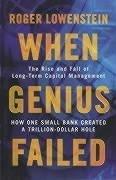
by Roger Lowenstein
“Clay Finck examines the 1999 dot-com bubble through Roger Lowenstein's book, exploring misaligned incentives, questionable accounting practices, speculative mania, and the Enron collapse that reshaped corporate governance.”
More from We Study Billionaires
We summarize every new episode. Want them in your inbox?
TIP846: Stock Picker: How to Live Off Your Portfolio w/ Ian Cassel
TIP845: Copart Stock (CPRT): Is Copart Now a Buy? w/ Daniel Mahncke & Shawn O'Malley
TIP844: Uber (UBER): The Autonomy Referendum — Is Mr. Market Completely Wrong? w/ Daniel Mahncke & Shawn O’Malley
TIP843: AppLovin (APP): The 30-Bagger Down More Than Half w/ Kyle Grieve & Shawn O'Malley
TIP842: Comfort Systems USA (FIX): The Five-Bagger We Passed On w/ Kyle Grieve & Shawn O'Malley
Similar Episodes
Related episodes from other podcasts

10% Happier with Dan Harris
Aug 19
You Can Stop Fixing Yourself: Buddhist Advice on Boundaries, Rituals, and Dropping Your Self-Aggression | Susan Piver

The Founders Podcast
Jun 4
#420 The Lost Years of Steve Jobs

The Ezra Klein Show
May 15
This Is Why I Find Pema Chödrön So Essential

WorkLife with Adam Grant
Apr 14
Coming April 28, 2026: WorkLife with Molly Graham
10% Happier with Dan Harris
Feb 25
Michael Pollan On: Reducing Rumination, Reclaiming Your Attention From the Machines, and MDMA-Assisted Therapy
Explore Related Topics
This podcast is featured in Best Investing Podcasts (2026) — ranked and reviewed with AI summaries.
Read this week's Investing & Markets Podcast Insights — cross-podcast analysis updated weekly.
You're clearly into We Study Billionaires.
Every Monday, we deliver AI summaries of the latest episodes from We Study Billionaires and 192+ other podcasts. Free for one show.
Start My Monday DigestNo credit card · Unsubscribe anytime