Episode 322: A Theater of Simultaneous Possibilities (William James' "The Stream of Thought")
Episode
81 min
Read time
2 min
Topics
Productivity, Software Development, Psychology & Behavior
AI-Generated Summary
Key Takeaways
- ✓Consciousness as Continuous Stream: James argues consciousness flows continuously without gaps or atomistic parts, rejecting John Locke's theory that complex ideas build from simple sensations. Experience presents holistically, not as assembled components like bark plus leaves equaling tree perception.
- ✓Personal Ownership of Thought: James claims consciousness always belongs to a personal self, calling the breach between individual minds the most absolute division in nature. Memory of one's own states carries warmth and intimacy that mere conception of others' experiences lacks completely.
- ✓Selective Attention Shapes Experience: Four travelers on identical European tours return with completely different experiences based on attention focus—one notices architecture, another statistics, another restaurants, another remains lost in internal thoughts. Consciousness operates as theater of simultaneous possibilities determined by attentional selection.
- ✓Language as Abstraction Tool: Verbal symbols like "horse" stand for collections of varied sensory experiences without recalling specific images. Words enable communication by abstracting commonalities across different encounters, though this creates useful fiction that we experience identical things when perceiving same objects.
- ✓Perpetual Change in Experience: James invokes Heraclitus' river metaphor—you never step in same stream twice. Even smelling identical rose produces different experience each time because you are different person with altered background conditions, though language creates illusion of repetition.
What It Covers
Philosophers Tamler Sommers and David Pizarro examine William James' 1890 chapter "The Stream of Thought" from Principles of Psychology, exploring his holistic view of consciousness versus atomistic theories and discussing a modern Batman prosocial behavior study.
Key Questions Answered
- •Consciousness as Continuous Stream: James argues consciousness flows continuously without gaps or atomistic parts, rejecting John Locke's theory that complex ideas build from simple sensations. Experience presents holistically, not as assembled components like bark plus leaves equaling tree perception.
- •Personal Ownership of Thought: James claims consciousness always belongs to a personal self, calling the breach between individual minds the most absolute division in nature. Memory of one's own states carries warmth and intimacy that mere conception of others' experiences lacks completely.
- •Selective Attention Shapes Experience: Four travelers on identical European tours return with completely different experiences based on attention focus—one notices architecture, another statistics, another restaurants, another remains lost in internal thoughts. Consciousness operates as theater of simultaneous possibilities determined by attentional selection.
- •Language as Abstraction Tool: Verbal symbols like "horse" stand for collections of varied sensory experiences without recalling specific images. Words enable communication by abstracting commonalities across different encounters, though this creates useful fiction that we experience identical things when perceiving same objects.
- •Perpetual Change in Experience: James invokes Heraclitus' river metaphor—you never step in same stream twice. Even smelling identical rose produces different experience each time because you are different person with altered background conditions, though language creates illusion of repetition.
Notable Moment
The Milan field study found passengers gave up subway seats for pregnant women 67% of time when Batman-costumed researcher boarded versus 38% without, though researchers debate whether disrupted attention or superhero priming caused the prosocial behavior increase across 200 trials.

You just read a 3-minute summary of a 78-minute episode.
Get Very Bad Wizards summarized like this every Monday — plus up to 2 more podcasts, free.
Pick Your Podcasts — FreeKeep Reading
More from Very Bad Wizards
Episode 329: Why We Suffer
Mar 31 · 80 min

Modern Wisdom
14 Patterns Behind the World’s Greatest Minds - David Senra - #1126
Jul 20
More from Very Bad Wizards
Episode 328: Weapons Free
Mar 17 · 102 min

We Study Billionaires
RWH068: How to Be Better in Work & Life w/ David Epstein
May 10
Books, tools, and gear mentioned in this episode
SignalCast may earn commission on purchases via these links. As an Amazon Associate, SignalCast earns from qualifying purchases.
Books
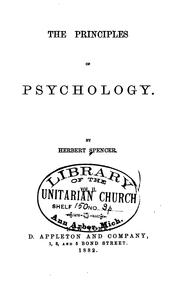
by William James
“Philosophers Tamler Sommers and David Pizarro examine William James' 1890 chapter "The Stream of Thought" from Principles of Psychology, exploring his holistic view of consciousness versus atomistic theories.”
More from Very Bad Wizards
We summarize every new episode. Want them in your inbox?
Episode 329: Why We Suffer
Episode 328: Weapons Free
Episode 327: You Ain't So Smart (Flannery O'Connor's "Good Country People")
Episode 326: The Most Important Episode of Your (Academic) Life
Episode 325: It Is Happening Again
Similar Episodes
Related episodes from other podcasts

Modern Wisdom
Jul 20
14 Patterns Behind the World’s Greatest Minds - David Senra - #1126

We Study Billionaires
May 10
RWH068: How to Be Better in Work & Life w/ David Epstein

Philosophize This!
Nov 8
Episode #240 ... Varieties of Religion Today (Charles Taylor)
Modern Wisdom
Oct 19
Forgotten War Heroes Who Changed The World - The Fat Electrician - #1165

Acquired
Oct 19
Seinfeld
Explore Related Topics
This podcast is featured in Best Philosophy Podcasts (2026) — ranked and reviewed with AI summaries.
Read this week's Software Engineering Podcast Insights — cross-podcast analysis updated weekly.
You're clearly into Very Bad Wizards.
Every Monday, we deliver AI summaries of the latest episodes from Very Bad Wizards and 192+ other podcasts. Free for one show.
Start My Monday DigestNo credit card · Unsubscribe anytime