Radiohead’s Ed O’Brien on Depression, Trauma & Finding Light Again
Episode
76 min
Read time
3 min
Topics
Health & Wellness, Psychology & Behavior, Philosophy & Wisdom
AI-Generated Summary
Key Takeaways
- ✓Childhood Trauma Threshold: Dismissing difficult childhoods as "not bad enough" to qualify as trauma actively blocks healing. O'Brien spent decades refusing to apply the word trauma to his own upbringing, which prevented him from identifying the source of his depression. Reading Gabor Maté's *When the Body Says No* reframed this: unmet emotional needs in childhood reliably surface later as physical illness, addiction, or chronic mental health struggles regardless of severity.
- ✓Reframing as Hero's Journey: When O'Brien was six to seven months into acute depression with no measurable progress, shifting his mental frame from "crisis" to "dark night of the soul" — a well-documented arc described by Saint John of the Cross and echoed in Dante — made the suffering more bearable. Locating personal suffering within a universal human narrative reduces isolation and replaces paralysis with a sense of purposeful passage through a known terrain.
- ✓Five-Element Acupuncture as Therapeutic Hybrid: O'Brien credits five-element acupuncture — a pre-Maoist Taoist system brought to the UK by J.R. Worsley — as a key modality. Unlike TCM's utilitarian needle placement, five-element practice combines a thirty-minute therapeutic conversation with treatment at points named for spiritual concepts. The dual structure addresses emotional processing and physical intervention simultaneously, making it more effective for depression than either talk therapy or bodywork alone.
- ✓Lifestyle Stack Before Deeper Work: O'Brien pursued dietary changes, alcohol elimination, and gut-brain interventions before confronting psychological roots. While these lifestyle modifications produced real but incomplete relief, they created a physiological foundation that made deeper emotional work accessible. The sequence matters: stabilizing the body through food, sleep, and substance removal lowers the baseline suffering enough to engage with trauma processing, meditation, and somatic therapies.
- ✓Meditation as Non-Negotiable Daily Anchor: O'Brien practiced self-taught meditation for twenty years before this episode, but describes the quality shifting fundamentally during recovery. His daily ritual — meditation followed by outdoor tea and birdsong listening in any weather — functions as a connection to what he calls spirit or grace. He argues every child should be taught mindfulness at school as a foundational coping mechanism, framing it as the single most practical recommendation he offers friends in crisis.
What It Covers
Radiohead guitarist Ed O'Brien speaks with Rich Roll about navigating a prolonged depression during COVID lockdown, tracing its roots to unprocessed childhood trauma, and how a combination of five-element acupuncture, meditation, dietary changes, stillness in rural Wales, and reframing suffering as a hero's journey led to his solo album Blue Morpho and a recovered sense of self-worth.
Key Questions Answered
- •Childhood Trauma Threshold: Dismissing difficult childhoods as "not bad enough" to qualify as trauma actively blocks healing. O'Brien spent decades refusing to apply the word trauma to his own upbringing, which prevented him from identifying the source of his depression. Reading Gabor Maté's *When the Body Says No* reframed this: unmet emotional needs in childhood reliably surface later as physical illness, addiction, or chronic mental health struggles regardless of severity.
- •Reframing as Hero's Journey: When O'Brien was six to seven months into acute depression with no measurable progress, shifting his mental frame from "crisis" to "dark night of the soul" — a well-documented arc described by Saint John of the Cross and echoed in Dante — made the suffering more bearable. Locating personal suffering within a universal human narrative reduces isolation and replaces paralysis with a sense of purposeful passage through a known terrain.
- •Five-Element Acupuncture as Therapeutic Hybrid: O'Brien credits five-element acupuncture — a pre-Maoist Taoist system brought to the UK by J.R. Worsley — as a key modality. Unlike TCM's utilitarian needle placement, five-element practice combines a thirty-minute therapeutic conversation with treatment at points named for spiritual concepts. The dual structure addresses emotional processing and physical intervention simultaneously, making it more effective for depression than either talk therapy or bodywork alone.
- •Lifestyle Stack Before Deeper Work: O'Brien pursued dietary changes, alcohol elimination, and gut-brain interventions before confronting psychological roots. While these lifestyle modifications produced real but incomplete relief, they created a physiological foundation that made deeper emotional work accessible. The sequence matters: stabilizing the body through food, sleep, and substance removal lowers the baseline suffering enough to engage with trauma processing, meditation, and somatic therapies.
- •Meditation as Non-Negotiable Daily Anchor: O'Brien practiced self-taught meditation for twenty years before this episode, but describes the quality shifting fundamentally during recovery. His daily ritual — meditation followed by outdoor tea and birdsong listening in any weather — functions as a connection to what he calls spirit or grace. He argues every child should be taught mindfulness at school as a foundational coping mechanism, framing it as the single most practical recommendation he offers friends in crisis.
- •Uncertainty as Creative and Personal Catalyst: O'Brien identifies comfort with uncertainty as the mechanism behind both his recovery and his best creative work on Blue Morpho. The album's title track was recorded in one unrehearsed acoustic guitar take with windows open to birdsong — kept as the final version. Deliberately entering creative or personal situations without a predetermined outcome removes past conditioning from the equation, making genuine transformation possible where controlled effort consistently fails.
Notable Moment
During a session with his five-element acupuncturist, O'Brien was asked whether he felt satisfied with his career achievements. Despite being a Rock and Roll Hall of Fame inductee in one of the most revered bands of the 1990s, he admitted he felt nothing. The practitioner's blunt response — calling that disconnect genuinely strange — became a turning point in O'Brien recognizing his self-worth deficit.
Episode Transcript
We all wanna eat better. Everybody wants that. You've got goals. Everybody's got goals. And usually, the gap between where you are and where you wanna be boils down to one thing, consistency. But here's the thing. Consistency really isn't about willpower. It's about removing the friction. So when the healthy choice is also the easy choice, you actually reach for it. And that's really the whole idea behind the Plantpower Meal Planner. When you sign up, the first thing we have you do is answer a whole bunch of questions about your food preferences and your habits, what you like, what you don't, allergies, how much time you've got, your skill level in the kitchen. And then the program matches you with a balanced plant based plan, custom tailored to your whole household. Thousands of recipes developed by nutritionists and our Ds, including some favorites straight from our own kitchen. One click builds your grocery list and ties it into delivery. So the planning and the shopping basically handle themselves. For listeners of the show, all you special people, we're offering an exclusive $20 off an annual subscription right now. To get it, go to meals.richroll.com, take your quick personalization quiz, and enter promo code richroll 20 at checkout. This underlying depression had been going on for years. It just seems so bleak, and it seemed, how do I get out of there? Depressions, breakdowns, illnesses, the body is saying, there's something not right here. Ed O'Brien of Radiohead. One of the architects of modern rock and rock and roll hall of fame inductee. Has a solo record called Blue Morpho. The idea that the guy from Radiohead is gonna complain about not being happy, you know, nobody wants to hear that. No. And it was exactly that. That. It felt very indulgent. I'm not like that. I'm a rock. I'm a bad but my body was just saying enough. I felt like I was carrying a weight every day that was weighing me down. It was very, very, very physical. I cared so much before what people thought of me. And the healing process is a process of self love and going, I'm okay. I'm okay. I'm no longer hiding. You have to ask, well, why was I hiding? Well, I was hiding because It's, like, perfect timing that I'm sitting with you today to have this conversation. There are no coincidences. Right? Just synchronicities and In your case, like, I'm curious Yeah. Of the ways in which the album Blue Morpho mimics, like, the process of creating that work of art mirrors the journey that you went on with your with your mental health and your depression and and, this process of trying to make sense and and come to some place of healing and wholeness. I mean, it's it completely mirrors that. And it is a it's a transformation. Creativity is a I I guess it's a transformation of sorts, And there's a start, a middle, …
Get the full transcript (13,484 words) + summary by email — free
One-time email with the complete transcript and AI summary of this episode. No account needed.
One email, no spam. We’ll also show you what SignalCast does.

You just read a 3-minute summary of a 73-minute episode.
Get The Rich Roll Podcast summarized like this every Monday — plus up to 2 more podcasts, free.
Pick Your Podcasts — FreeKeep Reading
More from The Rich Roll Podcast
Bryan Johnson & Kate Tolo On Curing Their Incurable Diseases, Addressing The Disparity In Women's Health & The Don't Die Mission
Sep 21 · 116 min

10% Happier with Dan Harris
When You Don't Know What You Actually Want: How To Say No, When To Say Yes, and The One Question That Cuts Through It | Yara Shahidi
Jul 31
More from The Rich Roll Podcast
If I Can, I Will: William Goodge On Running 50 Marathons In 50 States In 24 Days
Sep 17 · 111 min
10% Happier with Dan Harris
You're Gonna Be Alright No Matter What: On Facing Anger, Aging, and Loss With Humor and Grace | Sylvia Boorstein
Jul 29
Books, tools, and gear mentioned in this episode
SignalCast may earn commission on purchases via these links. As an Amazon Associate, SignalCast earns from qualifying purchases.
Books
- Blue MorphoBy guest
by Ed O'Brien
“a combination of five-element acupuncture, meditation, dietary changes, stillness in rural Wales, and reframing suffering as a hero's journey led to his solo album Blue Morpho”
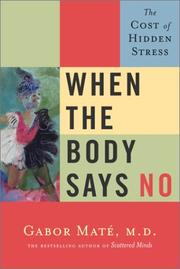 When the Body Says NoRecommended
by Gabor Maté
“Reading Gabor Maté's *When the Body Says No* reframed this: unmet emotional needs in childhood reliably surface later as physical illness, addiction, or chronic mental health struggles regardless of severity.”
More from The Rich Roll Podcast
We summarize every new episode. Want them in your inbox?
Bryan Johnson & Kate Tolo On Curing Their Incurable Diseases, Addressing The Disparity In Women's Health & The Don't Die Mission
If I Can, I Will: William Goodge On Running 50 Marathons In 50 States In 24 Days
Life's A Fight. Don’t Let It Break You: Dolph Lundgren On Trauma, Stardom & Cancer
Olympic Medalist Jenny Simpson On Her Sudden Cardiac Arrest After A Race & The Journey Back To Health
From Drinking Every Morning to Running 340 Miles: Tommie Runz on Recovery, Running & Redemption
Similar Episodes
Related episodes from other podcasts

10% Happier with Dan Harris
Jul 31
When You Don't Know What You Actually Want: How To Say No, When To Say Yes, and The One Question That Cuts Through It | Yara Shahidi
10% Happier with Dan Harris
Jul 29
You're Gonna Be Alright No Matter What: On Facing Anger, Aging, and Loss With Humor and Grace | Sylvia Boorstein

Freakonomics Radio
Jul 3
680. Can Universities Win Back Our Trust?

The Knowledge Project
Jun 9
Mental Models That Change How You Think | Bill Gurley

All-In with Chamath, Jason, Sacks & Friedberg
Jun 5
Dan Loeb: The Lost Art of Short Selling, and Why Stock Picking is Back
Explore Related Topics
This podcast is featured in Best Health Podcasts (2026) — ranked and reviewed with AI summaries.
Read this week's Health & Longevity Podcast Insights — cross-podcast analysis updated weekly.
You're clearly into The Rich Roll Podcast.
Every Monday, we deliver AI summaries of the latest episodes from The Rich Roll Podcast and 192+ other podcasts. Free for one show.
Start My Monday DigestNo credit card · Unsubscribe anytime