What Makes a Killer Thriller?
Episode
42 min
Read time
2 min
Topics
Fundraising & VC, Software Development, Crypto & Web3
AI-Generated Summary
Key Takeaways
- ✓Defining the thriller: A thriller requires sustained suspense and forward plot momentum above all else, but the genre resists strict definition. The Times' ballot process — sending prompts to writers, editors, and book influencers without defining "thriller" — produced a list spanning literary fiction, spy novels, and psychological suspense, confirming readers identify thrillers by feeling rather than formula.
- ✓Gone Girl's dominance: Gillian Flynn's 2012 novel ranked first because it deploys three simultaneous unreliable narrators — husband, wife, and her journal — none of whom can be trusted. Flynn signals this immediately: the husband confesses mid-chapter that a statement to police was his fifth lie. Readers seeking to reconstruct truth from competing accounts drives compulsive re-reading.
- ✓Discovery writing vs. outlining: Tana French begins novels without knowing the killer's identity, writing scene by scene. This produces heavy rewriting — mid-draft revelations require retroactive structural changes — but French argues the genuine discovery process creates narrative excitement that transfers to readers. The mystery genre's built-in A-kills-B framework prevents total narrative drift.
- ✓Character over whodunit: French structures her Dublin Murder Squad series around a rotating detective cast rather than one recurring protagonist because each book requires a character whose most vulnerable psychological fault line is directly targeted by the case. A single detective could not sustain multiple life-altering crossroads cases across a long series without becoming implausible.
- ✓Murder as social diagnosis: French argues that because murder motives are shaped entirely by what a specific society values enough to kill over, writing crime fiction inevitably produces social and historical analysis. Broken Harbor's murders emerge directly from Ireland's post-2008 financial collapse, making setting inseparable from plot rather than decorative backdrop.
What It Covers
NYT reporter Sarah Lyall and author Tana French discuss the Times' list of the 50 best thrillers of the 21st century, examining what defines the genre, why Gone Girl ranked first, and how French constructs her Dublin Murder Squad novels without knowing the ending in advance.
Key Questions Answered
- •Defining the thriller: A thriller requires sustained suspense and forward plot momentum above all else, but the genre resists strict definition. The Times' ballot process — sending prompts to writers, editors, and book influencers without defining "thriller" — produced a list spanning literary fiction, spy novels, and psychological suspense, confirming readers identify thrillers by feeling rather than formula.
- •Gone Girl's dominance: Gillian Flynn's 2012 novel ranked first because it deploys three simultaneous unreliable narrators — husband, wife, and her journal — none of whom can be trusted. Flynn signals this immediately: the husband confesses mid-chapter that a statement to police was his fifth lie. Readers seeking to reconstruct truth from competing accounts drives compulsive re-reading.
- •Discovery writing vs. outlining: Tana French begins novels without knowing the killer's identity, writing scene by scene. This produces heavy rewriting — mid-draft revelations require retroactive structural changes — but French argues the genuine discovery process creates narrative excitement that transfers to readers. The mystery genre's built-in A-kills-B framework prevents total narrative drift.
- •Character over whodunit: French structures her Dublin Murder Squad series around a rotating detective cast rather than one recurring protagonist because each book requires a character whose most vulnerable psychological fault line is directly targeted by the case. A single detective could not sustain multiple life-altering crossroads cases across a long series without becoming implausible.
- •Murder as social diagnosis: French argues that because murder motives are shaped entirely by what a specific society values enough to kill over, writing crime fiction inevitably produces social and historical analysis. Broken Harbor's murders emerge directly from Ireland's post-2008 financial collapse, making setting inseparable from plot rather than decorative backdrop.
Notable Moment
French revealed she completed nine entries on her ballot for the Times' 50 best thrillers list, then forgot to submit it entirely. Despite this, nine of her ten published novels appeared on the separate reader-voted list of 100 best thrillers released the same week.
Episode Transcript
Self directed investing, trading, full service wealth management, automated investing, financial planning, thematic investing, retirement planning. And to think that's just a small taste of what Schwab offers. Because Schwab knows when it comes to your finances, choice matters. No matter your goals, investing style, life stage, or experience, Schwab has everything you need all in one place so you can invest your way. Visit schwab.com to learn more. Hi, everyone. It's Natalie. If you're not yet a Times subscriber, we have some news for you. You can enjoy full access to the Times without a paywall for thirty days. All you have to do is download the app to get your first month completely free. And if you're already a Times subscriber, you rock. Thank you. Okay. On to today's show. From the New York Times, I'm Natalie Kitroev. This is the daily on Sunday. It's the middle of August, and that can mean only one thing. Across the country, people are popping open their beach chairs, digging their umbrellas into the sand, and settling in to their favorite books. And of all the literary genres to bring with you on vacation, for me and millions of Americans, there's one that stands above the rest, and that is the thriller. Thrillers dominate bestseller lists. They get adapted into hit movies. They don't let you put them down. And so this month, our colleagues at the book review released their list of the 50 best thrillers of the century. Today, I speak with our in house expert on the thriller genre, reporter Sarah Lyall, and also the great author, Tana French, who has four books on this list. It's Sunday, August 16. Sara, you are our resident expert on thrillers here at the New York Times. You have a monthly column on the genre for our book section, and I think of you as my personal encyclopedia because this is my favorite kind of book. Always has been, always will be. Actually, I have a group of friends at the Times that feels the same, and we've done this thing where we deputize one person to write to you and ask for your personal recommendations for must reads. We will read anything you say. You are our leader, so welcome to the Sunday Daily. Okay. That's a huge responsibility, but I will do my best. It's great to be here. Thank you. Okay. I wanna get to this massive and fascinating list that you all just put together of the best thrillers of the century. But before we do, can you please just give me a baseline? What defines a thriller in your mind? Well, I think, as you say, it's a pretty personal understanding. There's no real definition of a thriller. But I would say, at the heart, it has to have a lot of suspense. It has to have a plot that moves you along. You have to be dying to find out what happened. And what about …
Get the full transcript (7,949 words) + summary by email — free
One-time email with the complete transcript and AI summary of this episode. No account needed.
One email, no spam. We’ll also show you what SignalCast does.

You just read a 3-minute summary of a 39-minute episode.
Get The Daily (NYT) summarized like this every Monday — plus up to 2 more podcasts, free.
Pick Your Podcasts — FreeKeep Reading
More from The Daily (NYT)
Inside the Devastating Hack of the F.B.I.
Sep 30 · 23 min

The Vergecast
Schools are catching onto tech’s playbook
Sep 10
More from The Daily (NYT)
Are Prediction Markets Gambling? A Lot Rides on the Answer.
Sep 29 · 26 min

Deep Questions with Cal Newport
Ep. 394: Do I Need a Better Planning System?
Mar 2
Books, tools, and gear mentioned in this episode
SignalCast may earn commission on purchases via these links. As an Amazon Associate, SignalCast earns from qualifying purchases.
Books

by Gillian Flynn
“Gillian Flynn's 2012 novel ranked first because it deploys three simultaneous unreliable narrators — husband, wife, and her journal — none of whom can be trusted.”
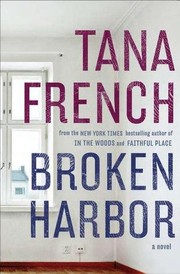 Broken HarborBy guest
by Tana French
“Broken Harbor's murders emerge directly from Ireland's post-2008 financial collapse, making setting inseparable from plot rather than decorative backdrop.”
More from The Daily (NYT)
We summarize every new episode. Want them in your inbox?
Inside the Devastating Hack of the F.B.I.
Are Prediction Markets Gambling? A Lot Rides on the Answer.
He Was Deported to a Country He’d Never Heard Of
The Best TV Shows of the 21st Century
Sylvester Stallone Hid His Struggles for Decades. Now He’s Coming Clean.
Similar Episodes
Related episodes from other podcasts

The Vergecast
Sep 10
Schools are catching onto tech’s playbook

Deep Questions with Cal Newport
Mar 2
Ep. 394: Do I Need a Better Planning System?

99% Invisible
Jan 30
Constitution Breakdown #6: Adam Liptak

Stay Tuned with Preet
Jan 29
Is Minnesota Trump’s Waterloo? (with Ed Luce)

The Diary of a CEO
Sep 18
Most Replayed Moment: Is Renting Keeping You Poor? What's The Actual Cost Of Home Ownership? David Bach
Explore Related Topics
This podcast is featured in Best News Podcasts (2026) — ranked and reviewed with AI summaries.
Read this week's Software Engineering Podcast Insights — cross-podcast analysis updated weekly.
You're clearly into The Daily (NYT).
Every Monday, we deliver AI summaries of the latest episodes from The Daily (NYT) and 192+ other podcasts. Free for one show.
Start My Monday DigestNo credit card · Unsubscribe anytime