453: The Bike Shed Wrapped 2024
Episode
31 min
Read time
2 min
Topics
Design & UX, Software Development, Crypto & Web3
AI-Generated Summary
Key Takeaways
- ✓Working Iteratively: Breaking large architecture refactorings into 30 independently shippable pull requests over several weeks reduces risk and enables continuous delivery, compared to bundling changes which creates circular dependencies and blocks shipping for extended periods.
- ✓Test Pain as Signal: When tests feel painful to write or maintain, treat this as feedback about underlying code design rather than pushing through. The pain indicates opportunities to refactor code structure, not developer inadequacy or testing methodology problems.
- ✓Conference Talk Development: Use a structured rubric covering audience definition, prerequisites, pedagogy approach, and theme integration to transform vague talk ideas into compelling conference proposals. This systematic approach demystifies the CFP submission process and increases acceptance rates.
- ✓Systems Thinking Application: Reading foundational texts like Thinking in Systems provides reusable heuristics and axioms for consulting work, helping identify patterns across different codebases and companies. These mental models explain system behaviors and guide intervention approaches beyond technical implementation details.
What It Covers
Joelle and Steph review The Bike Shed's 2024 year, covering 41 episodes recorded, favorite discussions on nil semantics and cohesive code, conference talks delivered, professional growth through iterative development, and goals for 2025.
Key Questions Answered
- •Working Iteratively: Breaking large architecture refactorings into 30 independently shippable pull requests over several weeks reduces risk and enables continuous delivery, compared to bundling changes which creates circular dependencies and blocks shipping for extended periods.
- •Test Pain as Signal: When tests feel painful to write or maintain, treat this as feedback about underlying code design rather than pushing through. The pain indicates opportunities to refactor code structure, not developer inadequacy or testing methodology problems.
- •Conference Talk Development: Use a structured rubric covering audience definition, prerequisites, pedagogy approach, and theme integration to transform vague talk ideas into compelling conference proposals. This systematic approach demystifies the CFP submission process and increases acceptance rates.
- •Systems Thinking Application: Reading foundational texts like Thinking in Systems provides reusable heuristics and axioms for consulting work, helping identify patterns across different codebases and companies. These mental models explain system behaviors and guide intervention approaches beyond technical implementation details.
Notable Moment
Joelle delivered a RailsConf talk entirely in character as Glittersense the gnome, complete with voice acting on stage, demonstrating how stepping outside comfort zones creates memorable conference experiences while teaching technical concepts about building Dungeons and Dragons character sheets with Turbo.
Episode Transcript
Hello, and welcome to another episode of the Bike Shed, a weekly podcast from your friends at Thoughtbot about developing great software. I'm Joelle Kenville. And I'm Steph Nieman, and together, we're here to share a bit of what we've learned along the way. So, Stephanie, what's new in your world? Actually, I want to take some time to talk about what's old in my world because today, we are doing a end of year recap episode for all of our listeners. So one thing that I'm excited to talk about is we recorded 41 episodes of The Bike Shed this year. Including this one that we're recording right now? Yes. Which I believe will be the last of the year. We're so close to hitting that magic 42. I mean, yes. You're you're right. There's only fifty two weeks in a year. Like, Broadway was pretty good. I am pretty impressed with ourselves. Are there any episodes that kind of stood out for you this year or that you found were just really fun to record? Yes. I have two, standout episodes. One of them was, an episode called Semantics and the Meaning of Nil. Do you remember that one? I do. That one, I just remember, like, being so interesting to talk about because as the concept nil, I feel like doesn't get talked about enough in terms of how it affects the bugs that we encounter, the kind of ideas around why we use it or lack of ideas. And, yeah, it was just really cool to go deep into, like, this particular topic that, you know, at the service level, you might think is pretty I don't know. It's like so I think there's just a lot of kind of mental shortcuts that we have about nil, but there it can go really deep if you if you want to get into it. So I had a lot of fun talking about that. Yeah. I think particularly some of the ideas around projecting semantics on top of nil. The idea that nil literally just means absence of a value, but everybody that's using the application knows that, oh, if you get a nil in this particular location, it means that and then there's a whole paragraph that follows that. And how as programmers do we deal with all of that implicit context? Yeah. And I think had some good little tips and tricks too for a couple of cases that might help you avoid bugs, with nil. So that was one I really enjoyed. And then the other one, this was during our summer of guests kind of season. We did an episode with Jared Norman, and we talked about cohesive code. And I remember that conversation just being really fun. I don't think we often have recorded guests together, the the two of us plus a guest. And so it was fun to be like a trio, and I think I remember we were riffing, …
Get the full transcript (5,434 words) + summary by email — free
One-time email with the complete transcript and AI summary of this episode. No account needed.
One email, no spam. We’ll also show you what SignalCast does.

You just read a 3-minute summary of a 28-minute episode.
Get The Bike Shed summarized like this every Monday — plus up to 2 more podcasts, free.
Pick Your Podcasts — FreeKeep Reading


Books, tools, and gear mentioned in this episode
SignalCast may earn commission on purchases via these links. As an Amazon Associate, SignalCast earns from qualifying purchases.
Books
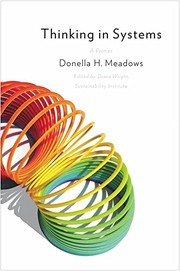 Thinking in SystemsRecommended
“Reading foundational texts like Thinking in Systems provides reusable heuristics and axioms for consulting work, helping identify patterns across different codebases and companies.”
More from The Bike Shed
We summarize every new episode. Want them in your inbox?
Similar Episodes
Related episodes from other podcasts

The Vergecast
Aug 27
How to buy a laptop when everything’s expensive

Stuff You Should Know
Aug 20
Rope, yeah ROPE!

The Prof G Pod
May 28
Can Democrats Still Govern? — with Gavin Newsom

My First Million
May 15
We hit record on our private strategy session

Freakonomics Radio
Feb 27
665. Werner Herzog Isn’t Afraid ...
Explore Related Topics
This podcast is featured in Best Cybersecurity Podcasts (2026) — ranked and reviewed with AI summaries.
Read this week's Software Engineering Podcast Insights — cross-podcast analysis updated weekly.
You're clearly into The Bike Shed.
Every Monday, we deliver AI summaries of the latest episodes from The Bike Shed and 192+ other podcasts. Free for one show.
Start My Monday DigestNo credit card · Unsubscribe anytime