Zorro! That guy with the sword!
Episode
43 min
Read time
2 min
Topics
Personal Finance, Fundraising & VC, Design & UX
AI-Generated Summary
Key Takeaways
- ✓Zorro's Historical Roots: Zorro draws from real California history, specifically the 1850 Foreign Miners Act, which forced non-citizens to pay prohibitive fees to mine gold, effectively expelling Mexican prospectors from their own land. Figures like Joaquin Murrieta and Solomon Pico became Robin Hood-style outlaws in response, and their legends directly shaped McCulley's character creation in 1919.
- ✓The Scarlet Pimpernel Blueprint: McCulley acknowledged that the 1905 novel "The Scarlet Pimpernel" directly influenced Zorro's design. Both protagonists share identical structural DNA: a wealthy nobleman who performs a foppish, unassuming daytime persona to deflect suspicion while operating as a masked vigilante at night with a distinctive calling card and secret identity.
- ✓Batman's Documented Zorro Debt: DC Comics creators Bob Kane and Bill Finger drew directly from Douglas Fairbanks' 1920 "Mark of Zorro" film when designing Batman. Frank Miller later embedded this connection into Batman's official origin story in 1986's "Dark Knight Returns," where Bruce Wayne's parents are murdered leaving a screening of that exact Zorro film.
- ✓Disney's 1957 Production Scale: Disney's Zorro television series cost $80,000 per half-hour episode at a time when the industry average for an hour-long episode was $13,000. A permanent set constructed for the show cost approximately $500,000 in 1957 dollars, equivalent to nearly $1 million per episode today, reflecting the franchise's commercial priority.
- ✓Historical Whitewashing in Adaptations: Zorro adaptations consistently softened the anti-American colonial narrative embedded in the source material. The 2005 film "Legend of Zorro" depicts Mexican California residents celebrating U.S. statehood, which is historically inverted. The original bandits Zorro was based on were actively resisting Anglo-American displacement, not welcoming it.
What It Covers
Josh and Chuck trace Zorro's 107-year history from Johnston McCulley's 1919 pulp serial "The Curse of Capistrano" through Douglas Fairbanks' 1920 silent film, the 1957 Disney TV series, and Antonio Banderas' 1998 film, examining the real historical bandits and social injustices that inspired the character.
Key Questions Answered
- •Zorro's Historical Roots: Zorro draws from real California history, specifically the 1850 Foreign Miners Act, which forced non-citizens to pay prohibitive fees to mine gold, effectively expelling Mexican prospectors from their own land. Figures like Joaquin Murrieta and Solomon Pico became Robin Hood-style outlaws in response, and their legends directly shaped McCulley's character creation in 1919.
- •The Scarlet Pimpernel Blueprint: McCulley acknowledged that the 1905 novel "The Scarlet Pimpernel" directly influenced Zorro's design. Both protagonists share identical structural DNA: a wealthy nobleman who performs a foppish, unassuming daytime persona to deflect suspicion while operating as a masked vigilante at night with a distinctive calling card and secret identity.
- •Batman's Documented Zorro Debt: DC Comics creators Bob Kane and Bill Finger drew directly from Douglas Fairbanks' 1920 "Mark of Zorro" film when designing Batman. Frank Miller later embedded this connection into Batman's official origin story in 1986's "Dark Knight Returns," where Bruce Wayne's parents are murdered leaving a screening of that exact Zorro film.
- •Disney's 1957 Production Scale: Disney's Zorro television series cost $80,000 per half-hour episode at a time when the industry average for an hour-long episode was $13,000. A permanent set constructed for the show cost approximately $500,000 in 1957 dollars, equivalent to nearly $1 million per episode today, reflecting the franchise's commercial priority.
- •Historical Whitewashing in Adaptations: Zorro adaptations consistently softened the anti-American colonial narrative embedded in the source material. The 2005 film "Legend of Zorro" depicts Mexican California residents celebrating U.S. statehood, which is historically inverted. The original bandits Zorro was based on were actively resisting Anglo-American displacement, not welcoming it.
Notable Moment
The hosts reveal that Zorro entered public domain in 1995, triggering between 45 and 60 films worldwide — a total that surpasses the entire James Bond film catalog. This volume places Zorro among the most portrayed fictional characters in cinema history, rivaling Dracula for the top position.
Episode Transcript
00:00:01 Speaker 1: Welcome to Stuff You Should Know, a production of iHeartRadio. 00:00:11 Speaker 2: Olay and welcome to the podcast. I'm Josh and there's Chuck and Jerry's here too. We call Jerry Zorro all the time because Zorro is Spanish for box. And this is Stuff You Should Know. 00:00:24 Speaker 1: Did you, has Zorro ever said olay? Is that a Zorro thing? 00:00:29 Speaker 2: No, that is a bumbling, stereotypical American thing to say. 00:00:34 Speaker 1: Oh, I would have said. 00:00:35 Speaker 2: Oh, yeah, that would have been much better. 00:00:40 Speaker 1: I don't think so, because I didn't even do a Z. I just did three lines. I did it wrong. 00:00:49 Speaker 2: So, yeah, we're talking Zorro today. And I have a question for you, Chuck. 00:00:55 Speaker 3: Oh, boy. 00:00:56 Speaker 1: You know, people are. Before you go, there's actual Reddit threads about people loving the age-old Joshism of things like, have you ever eaten a peanut or whatever? 00:01:09 Speaker 2: Have you ever seen a grown man naked? 00:01:13 Speaker 1: All right, fire away. What's this one? 00:01:15 Speaker 2: Chuck, have you ever heard of Zorro? 00:01:18 Speaker 3: No. 00:01:21 Speaker 2: That was not. 00:01:23 Speaker 3: Oh, no. 00:01:24 Speaker 1: Anything else would have been a letdown. That was perfect. Yeah, I know Zorro, and I guess I was into Zorro at one point because after, at least like an hour ago, after two days of kind of looking into this, I remembered suddenly out of the blue that I went to Zorro for Halloween when I was a kid one year. 00:01:40 Speaker 2: Oh, really? 00:01:41 Speaker 3: Yeah. 00:01:43 Speaker 2: That's pretty great. 00:01:44 Speaker 1: I was Zorro one year, and then I also remember I. 00:01:49 Speaker 1: I'm sure it's not a movie that I hate the term age as well, but I'm sure there's all sorts of terrible stereotypical homophobic jokes in it. But boy, when I was a kid, I loved Zorro the Gay Blade a lot. 00:02:04 Speaker 2: I think it's one big homophobic joke, isn't it? 00:02:07 Speaker 1: Well, I mean, the plot is that Zorro is injured and his twin gay brother shows up to town to take care of business. 00:02:17 Speaker 2: And what's his brother's name? 00:02:20 Speaker 3: Oh, God. 00:02:22 Speaker 1: Bunny Periwinkle? No, what is it? 00:02:25 Speaker 2: Bunny Wigglesworth. 00:02:26 Speaker 1: Bunny Wigglesworth. 00:02:28 Speaker 3: So dumb. 00:02:29 Speaker 1: I would like to check it out again. I wonder if there's any sort of forward-thinking humor at all. 00:02:35 Speaker 2: I don't get the impression there is. I watched it when I was younger, too, but everything was just ridiculous. Right over my head. I was like, that guy talks funny, basically. I was about that age. And so I …
Get the full transcript (8,041 words) + summary by email — free
One-time email with the complete transcript and AI summary of this episode. No account needed.
One email, no spam. We’ll also show you what SignalCast does.

You just read a 3-minute summary of a 40-minute episode.
Get Stuff You Should Know summarized like this every Monday — plus up to 2 more podcasts, free.
Pick Your Podcasts — FreeKeep Reading


Books, tools, and gear mentioned in this episode
SignalCast may earn commission on purchases via these links. As an Amazon Associate, SignalCast earns from qualifying purchases.
Books

by Johnston McCulley
“Johnston McCulley's 1919 pulp serial "The Curse of Capistrano"”
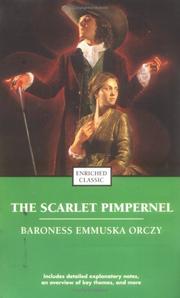
by Baroness Orczy
“the 1905 novel "The Scarlet Pimpernel" directly influenced Zorro's design”
Products
by DC Comics
“Frank Miller later embedded this connection into Batman's official origin story in 1986's "Dark Knight Returns," where Bruce Wayne's parents are murdered leaving a screening of that exact Zorro film.”
“The 2005 film "Legend of Zorro" depicts Mexican California residents celebrating U.S. statehood”
More from Stuff You Should Know
We summarize every new episode. Want them in your inbox?
Similar Episodes
Related episodes from other podcasts

Everything Everywhere Daily
Oct 28
Rubber

Modern Wisdom
Oct 24
Positive Psychology Founder: How To Stop Your Negative Thoughts - Martin Seligman - #1167

The Jordan Harbinger Show
Oct 11
1395: The Telepathy Tapes | Skeptical Sunday

Invest Like the Best with Patrick O'Shaughnessy
Sep 16
Michael Moritz - Lessons From 40 Years of Investing and Writing - [Invest Like the Best, EP.491]
Everything Everywhere Daily
Aug 2
The Odyssey of the Odyssey
Explore Related Topics
This podcast is featured in Best Science Podcasts (2026) — ranked and reviewed with AI summaries.
You're clearly into Stuff You Should Know.
Every Monday, we deliver AI summaries of the latest episodes from Stuff You Should Know and 192+ other podcasts. Free for one show.
Start My Monday DigestNo credit card · Unsubscribe anytime