Henry Oliver on Measure for Measure, Late Bloomers, and the Smartest Writers in English
Episode
59 min
Read time
2 min
Topics
Marketing, Software Development, Product & Tech Trends
AI-Generated Summary
Key Takeaways
- ✓Shakespearean Pragmatism: Measure for Measure functions as a pragmatism argument rather than a morality tale. Every character fails to live consistently with their own principles — Angelo, Isabella, the Duke — and Shakespeare's resolution is not justice but imposed order. The play argues that abstract principles inevitably collapse into hypocrisy, and messy compromise is the only workable outcome.
- ✓Feminist Reading of Measure for Measure: The title's reference to Christ's Sermon on the Mount is deliberately ironic. Isabella loses her convent, witnesses her brother's apparent execution, confronts state power, and is claimed by the Duke without consent. Angelo, by contrast, merely marries unwillingly. Shakespeare uses this asymmetry to expose how Christian justice systematically produces worse outcomes for women than for men.
- ✓Advertising Effectiveness Framework: David Ogilvy's 1950s model — combining hard sell factual information with aspirational image — remains the most effective advertising approach. The 1960s creative revolution prioritized novelty and mood over product clarity, producing memorable entertainment but weak purchase intent. Most modern advertising fails because agencies pursue creative prestige over the Ogilvy hybrid that demonstrably drives consumer behavior.
- ✓Late Bloomer Mechanism: Late bloomers typically activate through one of two triggers: a sharp external crisis — fire, injury, loss — that forces total life restructuring, or self-generated interruption where the person confronts their own mortality and timeline directly. Grandma Moses exemplifies the external category: childhood artistic ability was suppressed by labor demands until retirement restored the necessary time and resources.
- ✓Fiction and Moral Development: Reading fiction changes beliefs through the same mechanism as any other serious intellectual engagement — it requires active Smithian self-examination against the text, not passive absorption. Most readers gain little moral development from fiction because they skip this friction. Professional moral philosophers show similarly limited personal moral improvement despite extensive study, suggesting the mechanism is effortful and frequently fails.
What It Covers
Tyler Cowen and Henry Oliver, author of Second Act and Mercatus research fellow, analyze Shakespeare's Measure for Measure through feminist, pragmatist, and political lenses, then extend into discussions of Swift, Jane Austen, Adam Smith, advertising theory, and what drives late bloomers to finally succeed.
Key Questions Answered
- •Shakespearean Pragmatism: Measure for Measure functions as a pragmatism argument rather than a morality tale. Every character fails to live consistently with their own principles — Angelo, Isabella, the Duke — and Shakespeare's resolution is not justice but imposed order. The play argues that abstract principles inevitably collapse into hypocrisy, and messy compromise is the only workable outcome.
- •Feminist Reading of Measure for Measure: The title's reference to Christ's Sermon on the Mount is deliberately ironic. Isabella loses her convent, witnesses her brother's apparent execution, confronts state power, and is claimed by the Duke without consent. Angelo, by contrast, merely marries unwillingly. Shakespeare uses this asymmetry to expose how Christian justice systematically produces worse outcomes for women than for men.
- •Advertising Effectiveness Framework: David Ogilvy's 1950s model — combining hard sell factual information with aspirational image — remains the most effective advertising approach. The 1960s creative revolution prioritized novelty and mood over product clarity, producing memorable entertainment but weak purchase intent. Most modern advertising fails because agencies pursue creative prestige over the Ogilvy hybrid that demonstrably drives consumer behavior.
- •Late Bloomer Mechanism: Late bloomers typically activate through one of two triggers: a sharp external crisis — fire, injury, loss — that forces total life restructuring, or self-generated interruption where the person confronts their own mortality and timeline directly. Grandma Moses exemplifies the external category: childhood artistic ability was suppressed by labor demands until retirement restored the necessary time and resources.
- •Fiction and Moral Development: Reading fiction changes beliefs through the same mechanism as any other serious intellectual engagement — it requires active Smithian self-examination against the text, not passive absorption. Most readers gain little moral development from fiction because they skip this friction. Professional moral philosophers show similarly limited personal moral improvement despite extensive study, suggesting the mechanism is effortful and frequently fails.
Notable Moment
Oliver argues that Swift surpasses Shakespeare in one specific dimension: Swift could make the same argument both as direct polemic and as deeply ambivalent fiction simultaneously, as Gulliver's Travels demonstrates. Shakespeare, as far as the historical record shows, never attempted sustained nonfiction argumentation alongside his dramatic work.
Episode Transcript
Hi, listeners. This is Tyler. We're hosting our next Conversations with Tyler listener meetup at the Vault Gallery in Chicago, Illinois on Friday, April 10. This is your chance to meet me and the members of the conversations with Tyler team to connect with fellow listeners and enjoy some great conversation over light refreshments. We'll have a q and a session along with plenty of time to mix and mingle. Space is limited, and it fills up quickly. So registration is first come, first served. Click the link in the show notes to register to attend. Plus ones are welcome. Just be sure they also register separately using the same link. Hope to see you there. Conversations with Tyler is produced by the Mercatus center at George Mason University bridging the gap between academic ideas and real world problems Learn more at mercatus.org. For a full transcript of every conversation enhanced with helpful links, visit conversationswithtyler.com. Hello, everyone, and welcome back to conversations with Tyler. Today, I am chatting in person with Henry Oliver. Henry is a research fellow at Mercatus. He is author of a wonderful book called Second Act about late bloomers, which has been very popular. He writes a wonderful substack. You can just Google to that, Henry Oliver substack. And he has a new joint substack with Rebecca Lowe on the pursuit of liberalism. Henry, welcome. Thank you very much for having me. Now the premise of this episode is we're going to discuss Shakespeare's Measure for Measure, but that's not the only thing we'll do, but that is what we will start with. So Measure for Measure, why did that play fall into non popularity for so long? Because it's very difficult to enjoy on the stage. The ending is unsatisfactory from an entertainment point of view. It's often not so easy to follow the arguments if they're delivered in the rapid clip that Shakespearean acting would rely on. And I think, you know, a lot of people want a happier story than this. Shakespeare was experimenting with a comedy that had an unhappy ending. You probably can't think of many other comedies like that, and there's a reason. Is the ending unhappy? It's not the sort of ending that you would typically want in a comedy or these days in a rom com or a sitcom or something where the people who want to get married get married, and there are bells and nice dresses. It's more like, you're all gonna get married, and I'm telling you what to do. And there's a lot of commentary saying, well, do any of these people actually want to be married? So it's it's not happy. And you've read this play before, maybe you've seen it on stage in England. Mhmm. What most surprised you when doing this reread? That the scenes between Isabella and Angelo are so enthralling and so passionate and, I mean, really some of Shakespeare's best work. And I had ossified into sort …
Get the full transcript (11,766 words) + summary by email — free
One-time email with the complete transcript and AI summary of this episode. No account needed.
One email, no spam. We’ll also show you what SignalCast does.

You just read a 3-minute summary of a 56-minute episode.
Get Conversations with Tyler summarized like this every Monday — plus up to 2 more podcasts, free.
Pick Your Podcasts — FreeKeep Reading
More from Conversations with Tyler
Jared Diamond on Leaders, Luck, and Irreplaceability
Sep 9 · 52 min

10% Happier with Dan Harris
When Life's Not Working, Don't Try Harder. Change Your Situation Instead. | Angela Duckworth
Sep 2
More from Conversations with Tyler
Michael Moritz on Origin Stories, Exile, and Obsessive Curiosity
Sep 2 · 41 min

The Jordan Harbinger Show
1375: Alphas | Skeptical Sunday
Aug 30
Books, tools, and gear mentioned in this episode
SignalCast may earn commission on purchases via these links. As an Amazon Associate, SignalCast earns from qualifying purchases.
Books

by Jonathan Swift
“Oliver argues that Swift surpasses Shakespeare in one specific dimension: Swift could make the same argument both as direct polemic and as deeply ambivalent fiction simultaneously, as Gulliver's Travels demonstrates.”
 Second ActBy guest
“Henry Oliver, author of Second Act and Mercatus research fellow”
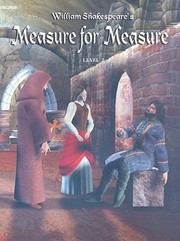
by William Shakespeare
“Tyler Cowen and Henry Oliver, author of Second Act and Mercatus research fellow, analyze Shakespeare's Measure for Measure through feminist, pragmatist, and political lenses”
More from Conversations with Tyler
We summarize every new episode. Want them in your inbox?
Jared Diamond on Leaders, Luck, and Irreplaceability
Michael Moritz on Origin Stories, Exile, and Obsessive Curiosity
Luke Burgis on Mimetic Desire, Catholicism, and the Age of Social Contagion
Daron Acemoglu on Liberalism, Automation, and the Educated Elite
Julia Ioffe on Russian Women, Missing Men, and the Roots of Autocracy
Similar Episodes
Related episodes from other podcasts

10% Happier with Dan Harris
Sep 2
When Life's Not Working, Don't Try Harder. Change Your Situation Instead. | Angela Duckworth

The Jordan Harbinger Show
Aug 30
1375: Alphas | Skeptical Sunday
10% Happier with Dan Harris
Aug 17
You Can Get Through It: How to Handle the Hardest Things That Will Ever Happen to You | Dr. Lucy Hone

The Prof G Pod
Aug 15
No Mercy / No Malice: The Prof G Storytelling Playbook

The Ezra Klein Show
Jul 31
How Trump Has Changed, With Maggie Haberman
Explore Related Topics
This podcast is featured in Best Finance Podcasts (2026) — ranked and reviewed with AI summaries.
Read this week's Software Engineering Podcast Insights — cross-podcast analysis updated weekly.
You're clearly into Conversations with Tyler.
Every Monday, we deliver AI summaries of the latest episodes from Conversations with Tyler and 192+ other podcasts. Free for one show.
Start My Monday DigestNo credit card · Unsubscribe anytime