

AI Summary
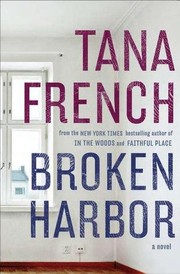
→ WHAT IT COVERS NYT reporter Sarah Lyall and author Tana French discuss the Times' list of the 50 best thrillers of the 21st century, examining what defines the genre, why Gone Girl ranked first, and how French constructs her Dublin Murder Squad novels without knowing the ending in advance. → KEY INSIGHTS - **Defining the thriller:** A thriller requires sustained suspense and forward plot momentum above all else, but the genre resists strict definition. The Times' ballot process — sending prompts to writers, editors, and book influencers without defining "thriller" — produced a list spanning literary fiction, spy novels, and psychological suspense, confirming readers identify thrillers by feeling rather than formula. - **Gone Girl's dominance:** Gillian Flynn's 2012 novel ranked first because it deploys three simultaneous unreliable narrators — husband, wife, and her journal — none of whom can be trusted. Flynn signals this immediately: the husband confesses mid-chapter that a statement to police was his fifth lie. Readers seeking to reconstruct truth from competing accounts drives compulsive re-reading. - **Discovery writing vs. outlining:** Tana French begins novels without knowing the killer's identity, writing scene by scene. This produces heavy rewriting — mid-draft revelations require retroactive structural changes — but French argues the genuine discovery process creates narrative excitement that transfers to readers. The mystery genre's built-in A-kills-B framework prevents total narrative drift. - **Character over whodunit:** French structures her Dublin Murder Squad series around a rotating detective cast rather than one recurring protagonist because each book requires a character whose most vulnerable psychological fault line is directly targeted by the case. A single detective could not sustain multiple life-altering crossroads cases across a long series without becoming implausible. - **Murder as social diagnosis:** French argues that because murder motives are shaped entirely by what a specific society values enough to kill over, writing crime fiction inevitably produces social and historical analysis. Broken Harbor's murders emerge directly from Ireland's post-2008 financial collapse, making setting inseparable from plot rather than decorative backdrop. → NOTABLE MOMENT French revealed she completed nine entries on her ballot for the Times' 50 best thrillers list, then forgot to submit it entirely. Despite this, nine of her ten published novels appeared on the separate reader-voted list of 100 best thrillers released the same week. 💼 SPONSORS [{"name": "Charles Schwab", "url": "https://www.schwab.com"}, {"name": "American Petroleum Institute", "url": "https://www.energysecurityframework.org"}, {"name": "Midi Health", "url": "https://www.joinmidi.com"}] 🏷️ Thriller Fiction, Literary Crime Writing, NYT Best Thrillers List, Tana French, Gone Girl