


AI Summary
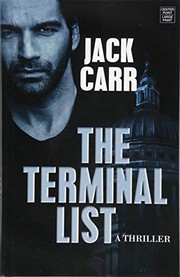
→ WHAT IT COVERS Joe Rogan and comedian Sam Tallent discuss Tallent's second novel — a hitman thriller published by Random House — alongside the realities of building a comedy career, the toll of constant touring, the value of creative diversification, the decline of literary culture for male readers, and the chaos of a disastrous Kill Tony show at London's O2 Arena. → KEY INSIGHTS - **Creative diversification for comedians:** Tallent argues that having outlets beyond stand-up — novels, podcasts, screenplays — allows comedians to channel philosophical or cultural commentary into appropriate formats rather than forcing it into live sets. Hicks lacked a podcast or book deal, so his stage time absorbed material that wasn't purely comedic. Separating creative outputs by format preserves the integrity of each one and keeps live performance focused on generating laughs every 12 seconds. - **Attention as finite units:** Rogan frames personal attention as 100 discrete units. Spending 30 units monitoring criticism or praise leaves only 70 for craft — and if 50 of those go to phone use, only 20 remain for actual creative work. The practical rule: treat compliments and criticism from strangers as equally worthless inputs, because valuing positive feedback obligates you to absorb negative feedback with equal weight. - **Market building over viral growth:** Rogan describes the pre-social-media model of building a comedy market city by city — starting at 40 tickets in Omaha, growing to 80, then 160, then adding shows over years. Tallent applies the same logic now: when new audiences arrive via Kill Tony or Shane Gillis's platform, the goal isn't the first show but converting half those attendees into repeat buyers who bring two more people next time. - **Independence versus network deals:** Rogan advises a podcaster friend against joining a content network despite the financial offer, framing independence as something you would pay for if you had to buy it back. Once advertisers can pressure hosts to avoid topics — Israel, specific language, controversial subjects — the editorial product degrades. The framework: if you are not currently poor, the cost of lost independence exceeds the revenue gain from a network deal. - **Touring volume diminishes creative output:** Both Rogan and Tallent identify excessive road schedules — 45-plus weekends annually — as the mechanism that drains comedic material. When life consists only of airports, hotel dinners, and shows, there is no new experience feeding the creative pipeline. Rogan notes that 1990s airplane-food material emerged because travel was the comedian's entire lived reality. The corrective is deliberately protecting non-performance time for experiences that generate new observational material. - **Male literary readership is an access problem, not an interest problem:** Tallent contends that men do read fiction when they can find it — citing Jack Carr's Terminal List series, the Gray Man series by Mark Greaney, and Dennis Johnson's Angels as examples with proven audiences. The failure is distribution and cultural visibility, not male disinterest. American MFA-pipeline publishing produces books disconnected from working-class experience, while Japanese fiction continues publishing strange, visceral, plot-driven work that attracts readers outside academic circles. - **Spite and envy as unsustainable fuel:** Tallent describes memorizing the name of a writer who finished a novel at Hunter Thompson's Owl Farm in 2008 — purely out of envy — and later trying to claim the same residency. Rogan frames this as a vulnerability specific to the career-building phase, when external comparisons feel existential. The practical takeaway: spite produces short-term motivation but corrodes the person holding it, and success achieved through envy-driven effort rarely produces work the creator is proud of. → NOTABLE MOMENT Tallent recounts the Kill Tony O2 Arena show in London where audience members screamed ethnic slurs at bucket-pull comics, a pro-Israel opener nearly triggered a physical barrier breach from an Irish contingency, and Tallent ended the night gripping a green room sink, staring into a mirror, questioning whether arena-scale comedy was something he actually wanted to pursue. 💼 SPONSORS [{"name": "ZipRecruiter", "url": "https://ziprecruiter.com/rogan"}, {"name": "LifeLock", "url": "https://lifelock.com/jre"}, {"name": "DraftKings", "url": "https://draftkings.com"}, {"name": "BetterHelp", "url": "https://betterhelp.com/jre"}] 🏷️ Stand-Up Comedy, Novel Writing, Comedy Touring, Male Readership, Creative Independence, Podcasting Business, Audience Building