

AI Summary
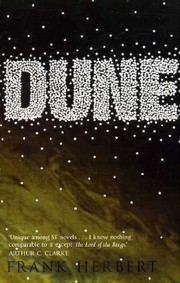
→ WHAT IT COVERS Ramtin Arablouei from NPR's Throughline discusses Frank Herbert's Dune, exploring how the 1965 sci-fi novel critiques messianic leadership, examines ecology as technology, and respectfully integrates Islamic culture into futuristic worldbuilding across 617 pages. → KEY INSIGHTS - **Anti-hero narrative structure:** Herbert intended Dune as a warning against charismatic leaders, showing Paul Atreides gaining power while haunted by visions of future jihad in his name, requiring readers to extrapolate the dangerous consequences of messianic movements beyond the first book's triumphant ending. - **Ecology drives culture framework:** The novel presents natural resources and human consciousness as technologies, where Spice Melange enables space travel and mental enhancement, demonstrating how environmental scarcity shapes religious practices, social structures, and survival strategies in desert civilizations like the Fremen. - **Pre-modern warfare ethics:** Herbert deliberately returns to close-combat killing with knives and swords rather than bombs or guns, forcing characters to develop ceremonial respect for death and the bodies of enemies, contrasting with post-World War II mechanized warfare's emotional distance. - **Islamic integration in sci-fi:** Written by a white American author in the 1950s-60s, Dune incorporates Arabic terminology, Hajj pilgrimages, and Bedouin cultural practices as foundational elements of future civilization, projecting Islamic thought as integral to humanity's evolution rather than exoticizing or othering it. → NOTABLE MOMENT Arablouei describes reading Dune at age thirteen as transformative because it was the first science fiction novel where he saw himself projected into the future through Islamic concepts and Arabic words, making the complex worldbuilding personally meaningful despite narrative weaknesses. 💼 SPONSORS [{"name": "Capella University", "url": "capella.edu"}, {"name": "Mint Mobile", "url": "mintmobile.com/switch"}, {"name": "GiveWell", "url": "givewell.org"}, {"name": "MidiHealth", "url": "joinmidi.com"}, {"name": "Michigan Economic Development Corporation", "url": "michiganbusiness.org/radio"}, {"name": "Leesa", "url": "leesa.com"}, {"name": "Squarespace", "url": "squarespace.com/npr"}] 🏷️ Science Fiction Literature, Islamic Representation, Ecological Worldbuilding, Leadership Critique