



AI Summary
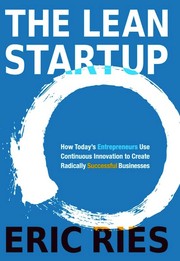
→ WHAT IT COVERS Eric Ries, creator of the Lean Startup methodology, discusses his new book *Incorruptible*, examining why successful companies betray their founding values and presenting a three-part blueprint — purpose, coherence, and structural integrity — for building organizations that resist corruption through governance design, leadership ethos, and legal structure. → KEY INSIGHTS - **Public Benefit Corp Filing:** Encode company purpose legally by filing as a Public Benefit Corporation in Delaware at incorporation or later. Without this, shareholder primacy legally overrides all other stated values. Identify specific stakeholders — customers, employees, environment — you commit to protecting, then make those commitments legally binding in the corporate charter. - **Dual-Class Share Sunset Risk:** Founders who accept super-voting share protections with sunset clauses face near-certain removal. Twilio's Jeff Lawson lost his CEO position just 199 days after his dual-class protections expired, despite revenue growth of over 150% from peak stock price. Permanent dual-class structures, as used by Cloudflare and GitLab, prevent this outcome. - **Purpose Trust Governance Structure:** Anthropic's Long-Term Benefit Trust creates a two-tiered governance system where a separate purpose trust holds mission-guardian authority over the for-profit entity. Companies with this dual structure are five to six times more likely to survive to year 50. The structure dates to Zeiss optics in 1887, making it proven rather than experimental. - **Harder-Is-Easier Principle:** Cloudflare rewrote its entire server stack in assembly and negotiated complex certificate authority deals to eliminate SSL encryption costs, then gave the feature away free despite it being their top conversion driver. Sign-ups increased by an order of magnitude afterward. Sacrificing short-term revenue to build developer trust generated compounding returns invisible on standard ROI calculations. - **Job Interview Mission Test:** Candidates can assess company integrity without confrontation by asking two sequential questions: first, whether the company is mission-driven, then whether that mission appears in the legal charter. Most hiring teams cannot answer the second question, which triggers internal escalation. This single question, asked repeatedly across candidates, has surfaced at board-level discussions. → NOTABLE MOMENT Cloudflare defended pro-democracy protesters' websites from nation-state-sponsored DDoS attacks at its own expense — despite those users being non-paying freemium customers. Every larger Silicon Valley competitor declined to help. Cloudflare absorbed the costs and geopolitical risk purely because those users were on their platform. 💼 SPONSORS [{"name": "Notion", "url": "https://notion.com/sed"}, {"name": "Vision Agents by Stream", "url": "https://visionagents.ai"}] 🏷️ Corporate Governance, Startup Founding, Mission-Driven Companies, Tech Leadership, Structural Integrity


