

AI Summary
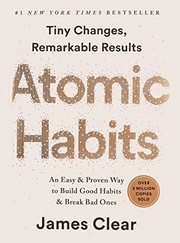
→ WHAT IT COVERS James Clear explains how to build lasting habits through his four-stage framework (cue, craving, response, reward), why systems beat goals, and how small 1% improvements compound over time to create meaningful life changes. → KEY INSIGHTS - **Two Minute Rule:** Scale habits down to two minutes or less to master showing up. One reader went to the gym for only five minutes daily for six weeks, never staying longer, which established the identity of being someone who goes to the gym four times weekly before optimizing the actual workout routine. - **Habit Stacking Formula:** Attach new habits to existing ones using the pattern "After I [current habit], I will [new habit]." For example, after making morning coffee, meditate for sixty seconds. This leverages established neural pathways and removes the friction of deciding when to perform the new behavior throughout your day. - **Environment Design Strategy:** Prime physical spaces to make desired actions obvious and easy. Write the first sentence of tomorrow's work before leaving, place running clothes beside the bed, or designate a specific chair for journaling only. Habits thrive when the environment naturally pulls you toward the right behavior with minimal activation energy required. - **Identity-Based Approach:** Focus on becoming a type of person rather than achieving outcomes. Each action casts a vote for your identity - one pushup votes for being someone who exercises, one sales call votes for being a salesperson. Accumulate enough votes and the identity becomes self-reinforcing, making habits stick long-term. - **Reduce Scope, Stick to Schedule:** On difficult days when full workouts or writing sessions feel impossible, do a scaled-down version instead of skipping entirely. Complete two squat sets instead of the full hour, write one paragraph instead of thirty minutes. Maintaining the habit matters more than the volume because consistency builds the identity and prevents momentum loss. → NOTABLE MOMENT Clear reveals that if he could add one thing to Atomic Habits, it would be asking "What would this look like if it was fun?" for every habit. He argues the person having fun is dangerous to compete against because they persevere when difficulty arrives, while those treating habits as obligations quit immediately when challenges emerge. 💼 SPONSORS [{"name": "LinkedIn Ads", "url": "linkedin.com/diary"}] 🏷️ Habit Formation, Systems Thinking, Identity Change, Behavior Design, Compound Growth, Environment Optimization