Chance Encounters: When Life Calls Us to a New Path
Episode
87 min
Read time
3 min
Topics
Health & Wellness, Product & Tech Trends, Crypto & Web3
AI-Generated Summary
Key Takeaways
- ✓Receptivity as prerequisite: Chance encounters only become transformative when an internal "receptor" exists to receive them. Joseph's repeated encounters with Linda Leonard's book *On the Way to the Wedding* — dismissed twice before purchase — illustrate how the unconscious persists in presenting the same opportunity until the ego yields. Noticing without immediate judgment is the first required step; discernment comes after, not instead of, attention.
- ✓Fairy tale structure as psychological map: In tales like *The Water of Life* and *Diamonds and Toads*, the hero who succeeds always pauses to engage the dwarf, hag, or talking animal — figures representing instinctual unconscious content. The pattern prescribes a specific sequence: encounter, pause, listen, then discern. Dismissing the figure outright — as the first two brothers do — corresponds to suppressing instinctual signals until they return as symptoms or compulsions.
- ✓Dream work reduces external disruption: Actively tending to dreams creates an ongoing dialogue with the unconscious, reducing the need for dramatic external interventions. Jung reportedly stopped dreaming late in life because he maintained continuous conscious dialogue with unconscious material throughout each day. People who regularly engage their dreams appear to experience fewer obstructive life crises, as the self no longer needs external "banana peels" to force attention.
- ✓End-of-day symbolic reflection practice: A concrete daily exercise involves identifying one surprising event from the day, then asking: "If I dreamed this, how would I interpret it?" This reframes ordinary occurrences as potentially symbolic communications rather than random noise. The practice builds the habit of treating outer events as meaningful without requiring full psychotic-level ideas of reference, maintaining the balance between symbolic awareness and grounded discernment.
- ✓Instinctual suppression intensifies resistance: In the dream analysis of the wrestling donkey, the dreamer's escalating attempts to control the playful animal — threatening the bathroom, seeking parental rescue — directly correlate with the donkey's increasing aggression. The pattern mirrors the episode's broader thesis: the harder the ego fights instinctual content, the more forcefully the unconscious pushes back. Engaging the content respectfully, as with fairy tale animal helpers, produces better outcomes than suppression.
What It Covers
Jungian analysts Lisa Marciano, Deborah Stewart, and Joseph Lee examine how chance encounters — unexpected meetings, books, or disruptions — function as calls from the unconscious self toward a new life path. Drawing on fairy tales, personal stories, and Jung's own writings, they explore why receptivity to these moments determines whether they become transformative or pass unnoticed.
Key Questions Answered
- •Receptivity as prerequisite: Chance encounters only become transformative when an internal "receptor" exists to receive them. Joseph's repeated encounters with Linda Leonard's book *On the Way to the Wedding* — dismissed twice before purchase — illustrate how the unconscious persists in presenting the same opportunity until the ego yields. Noticing without immediate judgment is the first required step; discernment comes after, not instead of, attention.
- •Fairy tale structure as psychological map: In tales like *The Water of Life* and *Diamonds and Toads*, the hero who succeeds always pauses to engage the dwarf, hag, or talking animal — figures representing instinctual unconscious content. The pattern prescribes a specific sequence: encounter, pause, listen, then discern. Dismissing the figure outright — as the first two brothers do — corresponds to suppressing instinctual signals until they return as symptoms or compulsions.
- •Dream work reduces external disruption: Actively tending to dreams creates an ongoing dialogue with the unconscious, reducing the need for dramatic external interventions. Jung reportedly stopped dreaming late in life because he maintained continuous conscious dialogue with unconscious material throughout each day. People who regularly engage their dreams appear to experience fewer obstructive life crises, as the self no longer needs external "banana peels" to force attention.
- •End-of-day symbolic reflection practice: A concrete daily exercise involves identifying one surprising event from the day, then asking: "If I dreamed this, how would I interpret it?" This reframes ordinary occurrences as potentially symbolic communications rather than random noise. The practice builds the habit of treating outer events as meaningful without requiring full psychotic-level ideas of reference, maintaining the balance between symbolic awareness and grounded discernment.
- •Instinctual suppression intensifies resistance: In the dream analysis of the wrestling donkey, the dreamer's escalating attempts to control the playful animal — threatening the bathroom, seeking parental rescue — directly correlate with the donkey's increasing aggression. The pattern mirrors the episode's broader thesis: the harder the ego fights instinctual content, the more forcefully the unconscious pushes back. Engaging the content respectfully, as with fairy tale animal helpers, produces better outcomes than suppression.
- •Jung's definition of God as disruption: Jung defined God as everything that crosses one's willful path violently, upsetting subjective plans and intentions. This reframes life disruptions — job loss, illness, unexpected encounters — not as random misfortune but as the self using available levers to redirect development. Treating disruptions as inferior or inconvenient corresponds to the fairy tale pattern of the failing hero who dismisses the roadside dwarf rather than pausing to engage.
Notable Moment
Marie-Louise von Franz, at 19, attended a casual Sunday lunch at Jung's Bollingen tower after being invited simply because her abrasive brilliance might amuse him. Chopping vegetables beside Jung, she cut her finger while so absorbed in his story about a patient who believed she lived on the moon — a moment that redirected her entire life's work.
Episode Transcript
If I can bring in another quote from young, which does reference this idea of a chance encounter, and I think amplifies what you've just said really beautifully, Joseph to this day. God is the name by which I designate all things, which cross my willful path violently and recklessly all things, which upset my subjective views, plans, and intentions, and change the course of my life for better or worse. So these chance encounters that change our life, Jung's word for that is God. Welcome to this union life, three good friends and union analysts, Lisa Marciano, Deborah Stewart, and Joseph Lee invite you to join them for an intimate and honest conversation that brings a psychological perspective to important issues of the day. I'm Lisa Marciano, and I'm a Jungian analyst in Philadelphia. I'm Joseph Lee, and I'm a Jungian analyst in Virginia Beach, Virginia. I'm Deborah Stewart, a Jungian analyst in Cape Cod. Today, we're going to explore life changing chance encounters. A chance encounter changes a life because it changes our governing fiction story we tell about ourselves. From an ego level, we have a sense that we live in a kind of continuous narrative of our own intentions. And when an encounter reveals a whole other world of openings and interruptions, calls, persons, animals, who in a sense were always there, it challenges us that the meaning is not always comfortable. And it brings us to a moment where we discover that the soul is autonomous and it offers a complication or a demand that we have to meet with a new perspective, which often in the remembering changes our path for the better. I'm just thinking of those those things that happen to us where, yeah, something kind of arrives like, like a meteorite out of the sky that calls something into question that makes us see something differently that sometimes in a wonderful way opens a new door, but it's not always comfortable. Sometimes it feels really disruptive. And it's the thing that you look back years later and you're like that moment, that moment, that person, that that film, that book, that class that I took with that professor. And you think everything was different after that. On Saturday, March 28 at 11AM Eastern, we're hosting a special free seminar called Your Personal Red Book, A Dream School Taster. Many listeners will know that Carl Jung created a remarkable illustrated manuscript called The Red Book, in which he recorded dreams, visions, and fantasies that emerged during a period of intense confrontation with the unconscious. In our free seminar, we'll discuss how you might approach the task of creating your own personal red book, a unique creative document of your inner life. We'll also share some details about round two of our highly successful dream studio program, and there'll be a special offer for seminar attendees only. You'll have a chance at the seminar to ask us any questions you have about the …
Get the full transcript (12,662 words) + summary by email — free
One-time email with the complete transcript and AI summary of this episode. No account needed.
One email, no spam. We’ll also show you what SignalCast does.

You just read a 3-minute summary of a 84-minute episode.
Get This Jungian Life summarized like this every Monday — plus up to 2 more podcasts, free.
Pick Your Podcasts — FreeKeep Reading
More from This Jungian Life
The Search for Meaning with Gary Lachman
Oct 22 · 92 min

The Daily (NYT)
Who Moves Up, and Who's Pushed Out, in Pete Hegseth's Military
Aug 20
More from This Jungian Life
The Heart of Transformation with Michael Meade
Oct 15 · 97 min

The Vergecast
Lessons from the very first chatbot
Aug 11
Books, tools, and gear mentioned in this episode
SignalCast may earn commission on purchases via these links. As an Amazon Associate, SignalCast earns from qualifying purchases.
Books
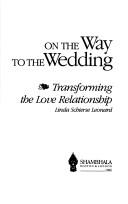 On the Way to the WeddingRecommended
by Linda Leonard
“Joseph's repeated encounters with Linda Leonard's book *On the Way to the Wedding* — dismissed twice before purchase — illustrate how the unconscious persists in presenting the same opportunity until the ego yields.”
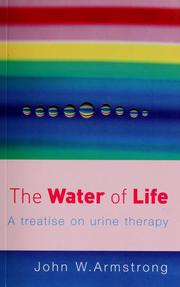
“In tales like *The Water of Life* and *Diamonds and Toads*, the hero who succeeds always pauses to engage the dwarf, hag, or talking animal — figures representing instinctual unconscious content.”
“In tales like *The Water of Life* and *Diamonds and Toads*, the hero who succeeds always pauses to engage the dwarf, hag, or talking animal — figures representing instinctual unconscious content.”
More from This Jungian Life
We summarize every new episode. Want them in your inbox?
The Search for Meaning with Gary Lachman
The Heart of Transformation with Michael Meade
Artificial Intelligence & the Psyche: The First Summit on Depth Psychology and AI
Inflation, Grandiosity and the Denial of Human Limits
Outsourcing Love: AI and Relationships
Similar Episodes
Related episodes from other podcasts

The Daily (NYT)
Aug 20
Who Moves Up, and Who's Pushed Out, in Pete Hegseth's Military

The Vergecast
Aug 11
Lessons from the very first chatbot

Modern Wisdom
Aug 6
The Biggest Myths About Dating (debunked) - #1133
Modern Wisdom
Jul 30
Why Almost Nobody Gets the Life They Want - Jett Franzen - #1130
Modern Wisdom
Jul 6
The Uncomfortable Science Of Sex Differences - Steve Stewart-Williams - #1120
Explore Related Topics
This podcast is featured in Best Mindset Podcasts (2026) — ranked and reviewed with AI summaries.
Read this week's Health & Longevity Podcast Insights — cross-podcast analysis updated weekly.
You're clearly into This Jungian Life.
Every Monday, we deliver AI summaries of the latest episodes from This Jungian Life and 192+ other podcasts. Free for one show.
Start My Monday DigestNo credit card · Unsubscribe anytime