FIND YOUR FLOW! How Lululemon's Founder Chip Wilson Built A Billion Dollar Brand
Episode
79 min
Read time
2 min
Topics
Productivity, Personal Finance, Startups
AI-Generated Summary
Key Takeaways
- ✓Ideal Customer Clarity: Wilson defined Lululemon's target as a 32-year-old single professional woman earning $200 per hour who valued time above all. This precision shaped every decision from fabric selection to store location, enabling clothing that transitioned seamlessly from studio to street to coffee without changing.
- ✓Grassroots Marketing Strategy: With only $30,000 for marketing versus competitors spending millions on athletes, Wilson identified top three community influencers who couldn't get sponsorships, made them product testers instead, and gathered continuous feedback. This created authentic word-of-mouth while developing better products through real user insights.
- ✓Vertical Retailing Innovation: Wilson owned manufacturing and retail directly, capturing two markup margins competitors lacked. Starting with a second-story store offering free yoga classes to drive traffic, this model provided 23,000 employees with institutional knowledge of self-development principles through mandatory reading of Good to Great, Seven Habits, and Psychology of Achievement.
- ✓Product Focus Discipline: Wilson committed to being best in world at black Lycra tights, which required excellence across all operations—logistics, manufacturing, delivery, marketing. He solved the see-through legging problem with a diamond gusset crotch design, enabling women to wear tights on streets, creating the athleisure category worth billions.
- ✓Financial Survival Tactics: Wilson ran out of money multiple times in first eight months, surviving by wholesaling inventory he opposed selling, refinancing his house three times, and receiving $57,000 severance from his previous company just before Christmas. The business took eight years to reach rocket-ship growth, requiring eighteen total years before significant wealth.
What It Covers
Chip Wilson shares how he built Lululemon from a second-story yoga studio into a billion-dollar athletic apparel brand by targeting 32-year-old professional women, inventing vertical retailing, and maintaining obsessive focus on product quality over eighteen years.
Key Questions Answered
- •Ideal Customer Clarity: Wilson defined Lululemon's target as a 32-year-old single professional woman earning $200 per hour who valued time above all. This precision shaped every decision from fabric selection to store location, enabling clothing that transitioned seamlessly from studio to street to coffee without changing.
- •Grassroots Marketing Strategy: With only $30,000 for marketing versus competitors spending millions on athletes, Wilson identified top three community influencers who couldn't get sponsorships, made them product testers instead, and gathered continuous feedback. This created authentic word-of-mouth while developing better products through real user insights.
- •Vertical Retailing Innovation: Wilson owned manufacturing and retail directly, capturing two markup margins competitors lacked. Starting with a second-story store offering free yoga classes to drive traffic, this model provided 23,000 employees with institutional knowledge of self-development principles through mandatory reading of Good to Great, Seven Habits, and Psychology of Achievement.
- •Product Focus Discipline: Wilson committed to being best in world at black Lycra tights, which required excellence across all operations—logistics, manufacturing, delivery, marketing. He solved the see-through legging problem with a diamond gusset crotch design, enabling women to wear tights on streets, creating the athleisure category worth billions.
- •Financial Survival Tactics: Wilson ran out of money multiple times in first eight months, surviving by wholesaling inventory he opposed selling, refinancing his house three times, and receiving $57,000 severance from his previous company just before Christmas. The business took eight years to reach rocket-ship growth, requiring eighteen total years before significant wealth.
Notable Moment
Wilson describes the pivotal 2002 moment when he and his wife spotted a woman wearing Lululemon tights on the street, turned around to confirm their logo on the back, and realized they had achieved their vision of technical athletic wear becoming everyday fashion.
Episode Transcript
Hello, and welcome to the Tony Robbins podcast. It's Mary b. The episode you're about to hear with Chip Wilson of Lululemon is the last one in this three part business mastery special series. So at the end, you'll hear the roundtable panel discussion and the q and a with Tony and the other CEOs offering their own lessons and mentorship to the live studio audience. Before we jump into it, I just want you guys to know that this year's business mastery is coming up. So if you're interested in finally taking your business to the next level with Tony's help, then please come join us at business mastery twenty twenty three. The dates this year are August. Come get down to business with us in person here in beautiful Palm Beach, or if you prefer, you can attend right from the comforts of your own home through Zoom. Just for you, our brilliant podcast listeners, go to tonyrobbins.com/businesspodcast to get your ticket. We cannot wait to meet you this summer. Okay. Here's Tony. When you decide you're gonna be best in the world at something, you can't just be for that end up being on that one product because it pervades throughout the whole business. So your logistics have to be best. Your manufacturing has to be best. Your delivery has to be marketing has to be best in order to not let any competition slightly move into that market. So last but far from least, we have our third interview. Ladies and gentlemen, give it up for Chip Wilson, Blue Lemon. Chip, it's so great to have you. You've had a a wild journey, a beautiful journey, a challenging journey like any great entrepreneur. I understood you worked in the oil fields in your twenties. Yeah. And then at 25, you started your first company. And if I understand it correctly, that was originally oriented towards, what was happening in the surf community. Correct? Tell us a little bit about that journey with your first company, if you would. Yeah. So I I actually started in triathlon clothing. Okay. You know, I was I was a big guy. I mean, not as big as you, but, you know, I was and I and almost all clothing had seams on the inside that would, you know, like, were open. And so, especially in salt water, they're rushing and and I just couldn't nothing fit me and, you know, you were in probably in the same situation. So, you know, my mom's a sewer. My dad's a phys ed teacher. I think, genetically, I came through it all. And, so got in the surf business. And that's what I learned really is that there's this seven year arc, you know, between something starting off at nothing Yes. Becoming, like, going from three companies to 500 companies, mergers and acquisitions, and then, too much competition, dumping a product, and then there's three companies left. And so I saw that happen …
Get the full transcript (14,868 words) + summary by email — free
One-time email with the complete transcript and AI summary of this episode. No account needed.
One email, no spam. We’ll also show you what SignalCast does.

You just read a 3-minute summary of a 76-minute episode.
Get The Tony Robbins Podcast summarized like this every Monday — plus up to 2 more podcasts, free.
Pick Your Podcasts — FreeKeep Reading
More from The Tony Robbins Podcast
Tony Robbins Saves A Relationship in Under 1 Hour | Full Intervention
Mar 24 · 56 min

The Tim Ferriss Show
#828: David Senra — How Extreme Winners Think and Win: Lessons from 400+ of History’s Greatest Founders and Investors (Including Buffett, Munger, Rockefeller, Jobs, Ovitz, Zell, and Names You Don’t Know But Should)
Sep 24
More from The Tony Robbins Podcast
Meet The Woman Who Built A $3B Beauty Brand from $0 | Anastasia Soare
Mar 17 · 80 min

How I Built This
Late July Snacks: Nicole Bernard Dawes. Crackers and Cookies were Failing… Tortilla Chips Saved Them
Aug 31
Books, tools, and gear mentioned in this episode
SignalCast may earn commission on purchases via these links. As an Amazon Associate, SignalCast earns from qualifying purchases.
Books

“This model provided 23,000 employees with institutional knowledge of self-development principles through mandatory reading of Good to Great, Seven Habits, and Psychology of Achievement.”
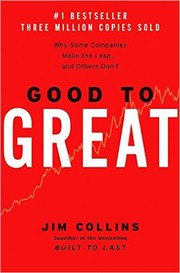
“This model provided 23,000 employees with institutional knowledge of self-development principles through mandatory reading of Good to Great, Seven Habits, and Psychology of Achievement.”
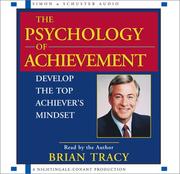
“This model provided 23,000 employees with institutional knowledge of self-development principles through mandatory reading of Good to Great, Seven Habits, and Psychology of Achievement.”
More from The Tony Robbins Podcast
We summarize every new episode. Want them in your inbox?
Tony Robbins Saves A Relationship in Under 1 Hour | Full Intervention
Meet The Woman Who Built A $3B Beauty Brand from $0 | Anastasia Soare
Spartan Race Founder Joe De Sena's Biggest Lessons Growing a $100M Empire
Inside America's New Defense Tech: Drones, Data and AI with Joe Lonsdale
The Truth About Happiness You Were Never Taught with Michael Singer
Similar Episodes
Related episodes from other podcasts

The Tim Ferriss Show
Sep 24
#828: David Senra — How Extreme Winners Think and Win: Lessons from 400+ of History’s Greatest Founders and Investors (Including Buffett, Munger, Rockefeller, Jobs, Ovitz, Zell, and Names You Don’t Know But Should)

How I Built This
Aug 31
Late July Snacks: Nicole Bernard Dawes. Crackers and Cookies were Failing… Tortilla Chips Saved Them

The Founders Podcast
Aug 31
#431 How Henry Singleton Worked
The Founders Podcast
Aug 23
#430 How to Write Ads That Sell

The Prof G Pod
Aug 15
No Mercy / No Malice: The Prof G Storytelling Playbook
Explore Related Topics
This podcast is featured in Best Mindset Podcasts (2026) — ranked and reviewed with AI summaries.
Read this week's Startups & Product Podcast Insights — cross-podcast analysis updated weekly.
You're clearly into The Tony Robbins Podcast.
Every Monday, we deliver AI summaries of the latest episodes from The Tony Robbins Podcast and 192+ other podcasts. Free for one show.
Start My Monday DigestNo credit card · Unsubscribe anytime