#796: L.A. Paul — On Becoming a Vampire, Whether or Not to Have Kids, Getting Incredible Mentorship for $250, Transformative Experiences, and More
Episode
102 min
Read time
2 min
Topics
Relationships, Artificial Intelligence, Software Development
AI-Generated Summary
Key Takeaways
- ✓Transformative Experience Framework: Decisions like having children, moving countries, or undergoing radical medical treatments violate act-state independence because the act of choosing changes your state of being. You cannot rationally evaluate options when your future self will have alien preferences you cannot currently understand or value from your present perspective.
- ✓Vampire Decision Model: Paul uses becoming a vampire as a thought experiment to illustrate transformative choice. Even if vampire friends testify they love it, their testimony is unreliable because becoming a vampire biologically rewires you to prefer vampire existence. This mirrors parenting where biological attachment makes you love your specific child regardless of prior preferences.
- ✓Philosophical Mentorship Strategy: Paul paid three philosophers $250 each to correspond by mail, sending 20 typewritten pages every two weeks analyzing their published work chapter by chapter. Only one accepted payment, but all provided extensive 10-plus page responses. This self-directed approach secured graduate school admission without formal philosophy training.
- ✓Counterfactual Self Analysis: When facing transformative decisions, recognize you are choosing which possible future self to discover rather than maximizing expected utility. The person you become after having children exists in a different possible world with values your current self cannot access or properly evaluate through standard rational choice frameworks.
- ✓Philosophy Application Method: Start with accessible fiction like Ted Chiang's stories or films like Primer and La Jetee that explore philosophical concepts intuitively. If you find yourself asking how things work mechanically, invest in technical philosophy training. The Stanford Encyclopedia of Philosophy provides free expert-written entries translatable through AI for accessibility.
What It Covers
L.A. Paul, Yale philosophy professor, explains transformative experiences where decisions fundamentally change who you become, making rational choice impossible. She uses vampire thought experiments and parenting decisions to illustrate how you cannot evaluate choices when your future self will have completely different preferences and values.
Key Questions Answered
- •Transformative Experience Framework: Decisions like having children, moving countries, or undergoing radical medical treatments violate act-state independence because the act of choosing changes your state of being. You cannot rationally evaluate options when your future self will have alien preferences you cannot currently understand or value from your present perspective.
- •Vampire Decision Model: Paul uses becoming a vampire as a thought experiment to illustrate transformative choice. Even if vampire friends testify they love it, their testimony is unreliable because becoming a vampire biologically rewires you to prefer vampire existence. This mirrors parenting where biological attachment makes you love your specific child regardless of prior preferences.
- •Philosophical Mentorship Strategy: Paul paid three philosophers $250 each to correspond by mail, sending 20 typewritten pages every two weeks analyzing their published work chapter by chapter. Only one accepted payment, but all provided extensive 10-plus page responses. This self-directed approach secured graduate school admission without formal philosophy training.
- •Counterfactual Self Analysis: When facing transformative decisions, recognize you are choosing which possible future self to discover rather than maximizing expected utility. The person you become after having children exists in a different possible world with values your current self cannot access or properly evaluate through standard rational choice frameworks.
- •Philosophy Application Method: Start with accessible fiction like Ted Chiang's stories or films like Primer and La Jetee that explore philosophical concepts intuitively. If you find yourself asking how things work mechanically, invest in technical philosophy training. The Stanford Encyclopedia of Philosophy provides free expert-written entries translatable through AI for accessibility.
Notable Moment
Paul describes her decision to study transformative experience after having her first child, realizing the metaphysical strangeness of becoming a parent received no philosophical attention. She feared discussing babies would undermine her serious reputation studying causation and time, requiring significant courage to pivot her research focus toward accessible philosophical questions about fundamental life choices.

You just read a 3-minute summary of a 99-minute episode.
Get The Tim Ferriss Show summarized like this every Monday — plus up to 2 more podcasts, free.
Pick Your Podcasts — FreeKeep Reading
More from The Tim Ferriss Show
#882: Why Kids Can Learn 10x Faster Than We Think — Niels Hoven of Mentava (Tim Coaching Session)
Sep 10 · 133 min

The James Altucher Show
What is Great Sex: Myths About Sex, and What Separates Good Sex and Bad Sex!
Feb 12
More from The Tim Ferriss Show
#881: Tales of Overcoming The Odds, and How to Turn Losses Into Wins — Tim McGraw, Terry Crews, Dax Shepard, and More
Sep 4 · 65 min

The Partially Examined Life
PEL Presents PvI#111: God Smites Elijah Dann
Feb 8
Books, tools, and gear mentioned in this episode
SignalCast may earn commission on purchases via these links. As an Amazon Associate, SignalCast earns from qualifying purchases.
Books
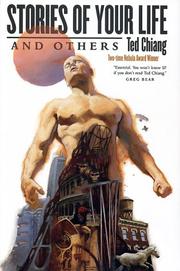 Stories of Your Life and OthersRecommended
by Ted Chiang
“Start with accessible fiction like Ted Chiang's stories or films like Primer and La Jetee that explore philosophical concepts intuitively.”
Tools
- Stanford Encyclopedia of PhilosophyRecommended
by Stanford University
“The Stanford Encyclopedia of Philosophy provides free expert-written entries translatable through AI for accessibility.”
Products
More from The Tim Ferriss Show
We summarize every new episode. Want them in your inbox?
#882: Why Kids Can Learn 10x Faster Than We Think — Niels Hoven of Mentava (Tim Coaching Session)
#881: Tales of Overcoming The Odds, and How to Turn Losses Into Wins — Tim McGraw, Terry Crews, Dax Shepard, and More
#880: Relationship Tools That Work — Esther Perel, Brené Brown, Dr. Sue Johnson, Terry Real, and More on Conflict, Repair, and Lasting Love
#879: How to Reinvent Yourself and Make Bold Moves — Decisive Stories from Matthew McConaughey, Steve Young, Samin Nosrat, and More
#878: How to Start When You're Stuck, Finish What You Begin, and Stop Waiting for Inspiration — Creative Advice from Elizabeth Gilbert, Seth Godin, Joyce Carol Oates, Anne Lamott and More
Similar Episodes
Related episodes from other podcasts

The James Altucher Show
Feb 12
What is Great Sex: Myths About Sex, and What Separates Good Sex and Bad Sex!

The Partially Examined Life
Feb 8
PEL Presents PvI#111: God Smites Elijah Dann

The Sales Evangelist
Jan 2
Sell Without Selling Out | Andy Paul - 1964

The Happiness Lab
Dec 30
From Decoding Women's Health: Decoding Happiness in Midlife

Hidden Brain
Jun 9
Ouch! That Feels Great
Explore Related Topics
This podcast is featured in Best Business Podcasts (2026) — ranked and reviewed with AI summaries.
Read this week's AI & Machine Learning Podcast Insights — cross-podcast analysis updated weekly.
You're clearly into The Tim Ferriss Show.
Every Monday, we deliver AI summaries of the latest episodes from The Tim Ferriss Show and 192+ other podcasts. Free for one show.
Start My Monday DigestNo credit card · Unsubscribe anytime