#265 Lee Strobel - Who is the Real Santa Claus & What Evidence Connects Jesus to Christmas?
Episode
131 min
Read time
2 min
Topics
Leadership, Product & Tech Trends, Philosophy & Wisdom
AI-Generated Summary
Key Takeaways
- ✓Virgin Birth Necessity: Jesus required conception through the Holy Spirit rather than human intercourse to interrupt the transmission of original sin from Adam's lineage. Luke 1:35 states the Holy Spirit's intervention made the child holy and sinless, creating the only human without corrupt moral nature inherited through normal human reproduction.
- ✓December 25th Origin: Early Christians believed the Messiah was conceived on the same calendar day he died. Tertullian calculated Jesus died March 25th based on Roman calendars, leading Christians to conclude conception occurred March 25th. Nine months later equals December 25th, explaining the traditional Christmas date through theological connection between creation and redemption.
- ✓Mistranslation of Inn: The Greek word katalyma in Luke's gospel means guest room, not inn. First-century Jewish homes had living areas with animals and separate guest rooms. Mary and Joseph stayed in a relative's main living area when the guest room was full, not rejected by an innkeeper, which would violate Jewish hospitality customs.
- ✓Prophecy Fulfillment Mathematics: Mathematician Peter Stoner calculated the probability of one person coincidentally fulfilling 48 quantifiable messianic prophecies as one in a trillion trillion trillion trillion trillion trillion trillion trillion trillion trillion trillion trillion trillion trillion trillion trillion, demonstrating Jesus could not have arranged fulfillments like birthplace in Bethlehem or soldiers gambling for his clothes.
- ✓Isaiah 53 Prediction: Written 700 years before Jesus, Isaiah 53 describes the suffering Messiah who would be pierced for transgressions, bear humanity's sins, be assigned a grave yet continue living through resurrection. This passage converts many Jewish readers to Christianity because it precisely depicts Jesus's crucifixion and resurrection centuries before occurrence.
What It Covers
Lee Strobel examines Christmas origins through investigative journalism, revealing new scholarship on Mary's virgin birth, the star of Bethlehem, translation errors about the inn, December 25th dating, and how ancient prophecies predicted Jesus's birthplace and lineage through specific historical evidence.
Key Questions Answered
- •Virgin Birth Necessity: Jesus required conception through the Holy Spirit rather than human intercourse to interrupt the transmission of original sin from Adam's lineage. Luke 1:35 states the Holy Spirit's intervention made the child holy and sinless, creating the only human without corrupt moral nature inherited through normal human reproduction.
- •December 25th Origin: Early Christians believed the Messiah was conceived on the same calendar day he died. Tertullian calculated Jesus died March 25th based on Roman calendars, leading Christians to conclude conception occurred March 25th. Nine months later equals December 25th, explaining the traditional Christmas date through theological connection between creation and redemption.
- •Mistranslation of Inn: The Greek word katalyma in Luke's gospel means guest room, not inn. First-century Jewish homes had living areas with animals and separate guest rooms. Mary and Joseph stayed in a relative's main living area when the guest room was full, not rejected by an innkeeper, which would violate Jewish hospitality customs.
- •Prophecy Fulfillment Mathematics: Mathematician Peter Stoner calculated the probability of one person coincidentally fulfilling 48 quantifiable messianic prophecies as one in a trillion trillion trillion trillion trillion trillion trillion trillion trillion trillion trillion trillion trillion trillion trillion trillion, demonstrating Jesus could not have arranged fulfillments like birthplace in Bethlehem or soldiers gambling for his clothes.
- •Isaiah 53 Prediction: Written 700 years before Jesus, Isaiah 53 describes the suffering Messiah who would be pierced for transgressions, bear humanity's sins, be assigned a grave yet continue living through resurrection. This passage converts many Jewish readers to Christianity because it precisely depicts Jesus's crucifixion and resurrection centuries before occurrence.
Notable Moment
Strobel reveals that early Jewish immigrants at Ellis Island refused to sign documents with an X because they recognized it as the Greek letter chi, the first letter of Christ. Instead, they insisted on marking an O, demonstrating widespread historical knowledge that X-mas abbreviation actually honors Christ rather than removing him from Christmas.

You just read a 3-minute summary of a 128-minute episode.
Get The Shawn Ryan Show summarized like this every Monday — plus up to 2 more podcasts, free.
Pick Your Podcasts — FreeKeep Reading


Books, tools, and gear mentioned in this episode
SignalCast may earn commission on purchases via these links. As an Amazon Associate, SignalCast earns from qualifying purchases.
Books
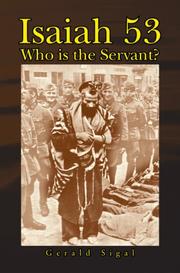
“Isaiah 53 describes the suffering Messiah who would be pierced for transgressions, bear humanity's sins, be assigned a grave yet continue living through resurrection. This passage converts many Jewish readers to Christianity because it precisely depicts Jesus's crucifixion and resurrection centuries before occurrence.”
More from The Shawn Ryan Show
We summarize every new episode. Want them in your inbox?
#227 Michael Lester - Are We the Bad Guys?
🚨IMMEDIATE RELEASE🚨 - I Am Being Threatened For Protecting Children...
#276 Nick Brokhausen - The Deadliest Stories From Vietnam with MACV-SOG
#275 Jay Yu - Nano Nuclear Technology and the Future of American Energy
#274 Tim Ferriss - Life-Changing Practical Wisdom Backed by Experience and Science
Similar Episodes
Related episodes from other podcasts

Radiolab
Aug 21
Patient Zero

The Joe Rogan Experience
Oct 16
#2567 - Mariana van Zeller

Stuff You Should Know
Oct 14
Short Stuff: Currency Symbols
Stuff You Should Know
Sep 18
SYSK Gets Weird Playlist: The Mystery of the Mary Celeste

The Rich Roll Podcast
Sep 14
Life's A Fight. Don’t Let It Break You: Dolph Lundgren On Trauma, Stardom & Cancer
Explore Related Topics
You're clearly into The Shawn Ryan Show.
Every Monday, we deliver AI summaries of the latest episodes from The Shawn Ryan Show and 192+ other podcasts. Free for one show.
Start My Monday DigestNo credit card · Unsubscribe anytime