It Begins With You: Jillian Turecki On Why Dating Is Broken, Self-Awareness Is Everything, & What Actually Makes Love Last
Episode
127 min
Read time
2 min
Topics
Relationships, Software Development, Crypto & Web3
AI-Generated Summary
Key Takeaways
- ✓Partner Selection Framework: Choose based on two factors only—who you select and who you decide to be. Identify three to five absolute non-negotiables (like sobriety, willingness to work through conflict) while remaining completely flexible about everything else. Most people create too many rules that guarantee disappointment and missed connections.
- ✓Self-Awareness Starting Point: Every relationship has one common denominator—you. Before blaming partners or circumstances, examine your patterns by asking what all past relationships had in common, how your parents' relationship looked, and what familiar dynamics you recreate. Change requires curiosity about yourself, not self-blame or victimhood.
- ✓Love Redefined: Love shifts from selfish emotion (make me feel good, meet my needs) to selfless commitment where your partner's well-being becomes your priority. The highest form means caring about their happiness even if that means letting them go. Most relationship problems stem from misunderstanding this fundamental distinction between feeling love and practicing it.
- ✓Communication Before Leaving: Before ending a committed relationship, identify two to three specific changes that would make you stay, communicate those needs clearly, then spend thirty days actively meeting your partner's needs first. Most people exit relationships without this experiment, missing potential breakthroughs that happen when one person shifts their behavior consistently.
- ✓Emotional Regulation Priority: Mismanaged stress destroys more relationships than major life events. Partners who constantly react to minor daily stressors become emotionally unavailable, stop physical affection, and disconnect. Self-regulation means managing your relationship with stress itself, not achieving perfect emotional steadiness, preventing the slow erosion of intimacy through accumulated tension.
What It Covers
Relationship expert Jillian Turecki explains why modern dating fails, how childhood patterns sabotage partnerships, and the self-awareness work required to build lasting love. She covers partner selection, emotional regulation, communication strategies, and breaking generational trauma cycles.
Key Questions Answered
- •Partner Selection Framework: Choose based on two factors only—who you select and who you decide to be. Identify three to five absolute non-negotiables (like sobriety, willingness to work through conflict) while remaining completely flexible about everything else. Most people create too many rules that guarantee disappointment and missed connections.
- •Self-Awareness Starting Point: Every relationship has one common denominator—you. Before blaming partners or circumstances, examine your patterns by asking what all past relationships had in common, how your parents' relationship looked, and what familiar dynamics you recreate. Change requires curiosity about yourself, not self-blame or victimhood.
- •Love Redefined: Love shifts from selfish emotion (make me feel good, meet my needs) to selfless commitment where your partner's well-being becomes your priority. The highest form means caring about their happiness even if that means letting them go. Most relationship problems stem from misunderstanding this fundamental distinction between feeling love and practicing it.
- •Communication Before Leaving: Before ending a committed relationship, identify two to three specific changes that would make you stay, communicate those needs clearly, then spend thirty days actively meeting your partner's needs first. Most people exit relationships without this experiment, missing potential breakthroughs that happen when one person shifts their behavior consistently.
- •Emotional Regulation Priority: Mismanaged stress destroys more relationships than major life events. Partners who constantly react to minor daily stressors become emotionally unavailable, stop physical affection, and disconnect. Self-regulation means managing your relationship with stress itself, not achieving perfect emotional steadiness, preventing the slow erosion of intimacy through accumulated tension.
Notable Moment
Turecki reveals how her psychiatrist father wrote a book titled The Difficult Child about her specifically, creating lifelong shame that unconsciously drove her to choose emotionally withdrawn partners who mirrored his passive-aggressive unavailability. This pattern only broke after her husband left during her third miscarriage on the same day her mother received terminal diagnosis.
Episode Transcript
Look, I've put my skin through a lot over the years. Decades in chlorinated pools, way too much Southern California sun, basically zero thought about skin care. And it wasn't really until I hit my mid fifties that I finally kinda woke up and started taking care of my body's largest organ for the first time, which began with Boncharge and their amazing award winning red light face mask. The science here is pretty fascinating. It's equipped with optimal wavelengths of red light at 630 nanometers and near infrared at 850 nanometers that work at the cellular level to help promote youthful, glowing skin, smoother skin texture, and more even looking skin. And the best part? The red light face mask fits right into everyday life. Just ten to twenty minutes a day, totally portable, suitable for all skin types, and backed by a one year manufacturer's warranty. But Boncharge isn't just about your face. Their sauna blanket has been great for recovery. It's like having your own personal sauna that folds up when you're done. So go to boncharge.com and use coupon code richroll 20 to save 20%. That's bondcharge.com code richroll 20 for 20% off. This podcast is brought to you by Squarespace. When it comes to the infinite scroll of our digital world, there's an important distinction I like to draw, which is that there is a difference between consuming content mindlessly and, on the other hand, using our computers with creativity and intention as a tool to build something meaningful, whether that's a coaching practice, for example, a store, or a portfolio for your photography. What you need and deserve is a high quality, highly designed platform that reflects your personality without compromising functionality. And now, Squarespace is even more powerful courtesy of something they call Blueprint AI, which asks you to answer a few questions about your goals and your style, and then it generates this completely custom website that looks professionally crafted without any tech skills on your part even nominally required. Their analytics show you what's actually working, where your audience comes from, what content resonates, real data instead of guessing. So head on over to squarespace.com/richroll to save 10% off your first purchase of a website or domain using the code, richroll. What is the most important thing that people need to know about relationships or starting a relationship? There's two things, who you choose and who you decide to show up as. That's it. If you want life partnership, if you want a relationship, if you want to potentially live with this person, that choice is so important. They are going to impact your nervous system, your sleep, your choices, your world view, your beliefs. Yes, we enter relationships as autonomous sovereign beings, but there's like a blending, there's a yoking that happens. There's a yoga that happens between two people. And so it's very important that you make that choice wisely, and the only way you can make that choice …
Get the full transcript (21,560 words) + summary by email — free
One-time email with the complete transcript and AI summary of this episode. No account needed.
One email, no spam. We’ll also show you what SignalCast does.

You just read a 3-minute summary of a 124-minute episode.
Get The Rich Roll Podcast summarized like this every Monday — plus up to 2 more podcasts, free.
Pick Your Podcasts — FreeKeep Reading
More from The Rich Roll Podcast
Olympic Medalist Jenny Simpson On Her Sudden Cardiac Arrest After A Race & The Journey Back To Health
Sep 7 · 96 min

The School of Greatness
Stop Attracting The Wrong Relationships. Do This To Find Lasting Love! | Lewis Howes
Feb 18
More from The Rich Roll Podcast
From Drinking Every Morning to Running 340 Miles: Tommie Runz on Recovery, Running & Redemption
Sep 3 · 136 min

On Purpose with Jay Shetty
Dating Expert Sabrina Zohar: You’re Not Confused, You’re Ignoring the Signs (THIS Mindset Shift Will End the “What If” Loop for Good)
Feb 9
Books, tools, and gear mentioned in this episode
SignalCast may earn commission on purchases via these links. As an Amazon Associate, SignalCast earns from qualifying purchases.
Books
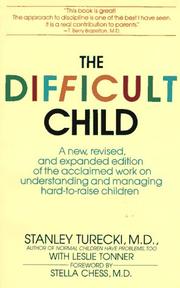
“Turecki reveals how her psychiatrist father wrote a book titled The Difficult Child about her specifically, creating lifelong shame that unconsciously drove her to choose emotionally withdrawn partners.”
More from The Rich Roll Podcast
We summarize every new episode. Want them in your inbox?
Olympic Medalist Jenny Simpson On Her Sudden Cardiac Arrest After A Race & The Journey Back To Health
From Drinking Every Morning to Running 340 Miles: Tommie Runz on Recovery, Running & Redemption
Hunter Biden Is Out Of Secrets: A Story of Recovery, Exposure & Amends
How Hellah Sidibe’s 3,350-Day Run Streak Rebuilt His Mind
Mindfulness, Meditation & Performance: Manoj Dias Live At The Rivian Performance House
Similar Episodes
Related episodes from other podcasts

The School of Greatness
Feb 18
Stop Attracting The Wrong Relationships. Do This To Find Lasting Love! | Lewis Howes

On Purpose with Jay Shetty
Feb 9
Dating Expert Sabrina Zohar: You’re Not Confused, You’re Ignoring the Signs (THIS Mindset Shift Will End the “What If” Loop for Good)

The Diary of a CEO
Dec 5
Most Replayed Moment: What Women Really Want In A Man! Don’t Do This On A First Date!

The Jordan Harbinger Show
Aug 4
1364: Dr. Max Butterfield | Challenging Viral Dating Myths with Science

Modern Wisdom
May 2
Why You’re Obsessed, Anxious, & Still Single - Mercedes Coffman - #1092
Explore Related Topics
This podcast is featured in Best Health Podcasts (2026) — ranked and reviewed with AI summaries.
Read this week's Software Engineering Podcast Insights — cross-podcast analysis updated weekly.
You're clearly into The Rich Roll Podcast.
Every Monday, we deliver AI summaries of the latest episodes from The Rich Roll Podcast and 192+ other podcasts. Free for one show.
Start My Monday DigestNo credit card · Unsubscribe anytime