‘Zodiac’ With Bill Simmons, Chris Ryan, and Sean Fennessey
Episode
174 min
Read time
3 min
Topics
Productivity, Relationships, Design & UX
AI-Generated Summary
Key Takeaways
- ✓Digital Cinematography Pioneer: Zodiac represents Fincher's transition to digital shooting, creating a visual style that ages better than film-based contemporaries. The 4K transfer improves upon theatrical presentation, with intentional use of different actors for each kill scene visible due to digital clarity. This technical choice allows viewers to question whether multiple killers were involved, supporting the film's ambiguity about the case.
- ✓Research Methodology: Fincher and screenwriter James Vanderbilt spent 18 months reinterviewing living witnesses, cops, and newspaper staff involved in the original case. They used police reports as baseline truth whenever witness memories conflicted, creating a documentary-level accuracy. The production recreated 1969 San Francisco Chronicle newspapers from Michigan library microfiches, printing them on authentic newspaper stock for background authenticity that actors could physically interact with.
- ✓Performance Through Repetition: Fincher's 60-take approach on digital broke actors' traditional boundaries. The first day of San Francisco production required 56 takes of Ruffalo and Gyllenhaal, with take 56 appearing in final cut. Ruffalo incorporated historical details like Toschi's ulcer problems, removing tomatoes from sandwiches and taking antacids throughout scenes without explanation. This method extracts performances beyond actors' initial instincts, though Downey compared the process to working in gulags.
- ✓Structural Innovation: The film operates as two distinct movies separated by a four-year time jump. First half focuses on active investigation and murders; second half examines psychological toll on investigators. This structure mirrors All The President's Men and Spotlight but uniquely denies resolution, forcing viewers to accept unknowability. The interrogation scene with Arthur Leigh Allen occurs 90 minutes in, subverting expectations by continuing another hour without closure.
- ✓Production Design Obsession: Set designers recreated the San Francisco Chronicle newsroom inside a Los Angeles post office, sourcing period-accurate ashtrays, televisions, and office equipment. Background extras performed actual job-appropriate movements rather than generic crowd behavior. Fincher directed background action with same specificity as lead performances, ensuring spatial logic matched real newsroom workflows. This 10 percent extra effort creates subliminal authenticity that registers subconsciously on repeat viewings.
What It Covers
Bill Simmons, Chris Ryan, and Sean Fennessey revisit David Fincher's 2007 film Zodiac, examining its meticulous research process, digital cinematography innovations, and status as a slow-burn masterpiece. The discussion covers the film's 18-month investigation period, casting choices, obsessive filmmaking techniques including 60-take scenes, and theories about the actual Zodiac Killer case including Arthur Leigh Allen as prime suspect.
Key Questions Answered
- •Digital Cinematography Pioneer: Zodiac represents Fincher's transition to digital shooting, creating a visual style that ages better than film-based contemporaries. The 4K transfer improves upon theatrical presentation, with intentional use of different actors for each kill scene visible due to digital clarity. This technical choice allows viewers to question whether multiple killers were involved, supporting the film's ambiguity about the case.
- •Research Methodology: Fincher and screenwriter James Vanderbilt spent 18 months reinterviewing living witnesses, cops, and newspaper staff involved in the original case. They used police reports as baseline truth whenever witness memories conflicted, creating a documentary-level accuracy. The production recreated 1969 San Francisco Chronicle newspapers from Michigan library microfiches, printing them on authentic newspaper stock for background authenticity that actors could physically interact with.
- •Performance Through Repetition: Fincher's 60-take approach on digital broke actors' traditional boundaries. The first day of San Francisco production required 56 takes of Ruffalo and Gyllenhaal, with take 56 appearing in final cut. Ruffalo incorporated historical details like Toschi's ulcer problems, removing tomatoes from sandwiches and taking antacids throughout scenes without explanation. This method extracts performances beyond actors' initial instincts, though Downey compared the process to working in gulags.
- •Structural Innovation: The film operates as two distinct movies separated by a four-year time jump. First half focuses on active investigation and murders; second half examines psychological toll on investigators. This structure mirrors All The President's Men and Spotlight but uniquely denies resolution, forcing viewers to accept unknowability. The interrogation scene with Arthur Leigh Allen occurs 90 minutes in, subverting expectations by continuing another hour without closure.
- •Production Design Obsession: Set designers recreated the San Francisco Chronicle newsroom inside a Los Angeles post office, sourcing period-accurate ashtrays, televisions, and office equipment. Background extras performed actual job-appropriate movements rather than generic crowd behavior. Fincher directed background action with same specificity as lead performances, ensuring spatial logic matched real newsroom workflows. This 10 percent extra effort creates subliminal authenticity that registers subconsciously on repeat viewings.
- •Box Office Versus Legacy: The film earned only 85 million dollars worldwide on 70 million dollar budget, barely breaking even and receiving zero Oscar nominations in 2008. Released February 2007 before awards calendar shifted, it competed against There Will Be Blood, No Country for Old Men, and Michael Clayton. Current streaming availability and 4K release transformed it into frequently rewatched film, with stature growing significantly over 15 years as audiences appreciate methodical pacing.
- •Arthur Leigh Allen Evidence: Circumstantial case includes Zodiac-brand watch, matching boot and glove sizes, proximity to victims, ambidextrous ability, and teaching students cipher decoding. He owned bloody knives, lived in trailer with suspicious materials, served prison time for pedophilia during periods when Zodiac letters stopped, and was identified by survivor Mike Mageau eight years later. Only handwriting analysis prevented arrest, though multiple family members believed he was guilty.
Notable Moment
An amateur cryptography expert with autism named Alex Baber used artificial intelligence programs in December 2024 to analyze the Zodiac's 13-letter cipher, narrowing 71 million possibilities to 14 candidates. He identified Marvin Margolis, who used the alias Marvin Merrill and was previously investigated for the Black Dahlia murder, suggesting one perpetrator committed both unsolved cases across different California regions spanning decades.
Episode Transcript
This episode is brought to by Amazon MGM Studios' new heist thriller, crime one zero one, starring Chris Hemsworth, Mark Ruffalo, Barry Keoghan, and Halle Berry. Set against the sun bleached grit of Los Angeles. I love it. An elusive rule following jewel. They've carries a string of high stakes heist along the 101 Freeway. Wow. This sounds like it's for me and Chris Ryan until he uncovers the score of a lifetime. As a relentless detective closes in the line between a hunter and hunted blurs. Crime one zero one is only in theaters February 13, filmed for IMAX. Don't miss it on the big screen. Check out crime101.com to learn more. This episode is brought to you by LinkedIn ads. The best b two b marketing gets wasted on the wrong people. So when you wanna reach the right professionals, use LinkedIn ads. LinkedIn has grown to a network of over 1,000,000,000 professionals and 130,000,000 decision makers, and that's where it stands apart from other ad buys. You could target your buyers by job title, industry, company role, seniority skills, company revenue so you can stop wasting budget on the wrong audience. It's why LinkedIn ads generates the highest b two b return on ad spend of all online ad networks. Seriously, all of them. Spend $250 in the first campaign on LinkedIn ads. Get a free $250 credit for the next one. Just go to linkedin.com/rewatch. Terms and conditions apply. The rewatchables is brought to you by the Ringer Podcast Network. This is our first podcast that we are running, not only on Spotify as a video, but on Netflix as well. That's Sean Fantasy. He has the big picture. Yes. That's Chris Ryan who's on the big picture sometimes as well. And on the watch, you're still doing that. Right? I still crank it out. Yeah. And we've been doing the rewatchables. Wait. What's the watch? The watch. It's a TV culture pod. Right? What? It's a land man podcast. Culture pod. Wow. First I'm hearing of this. Yeah. Yeah. We have other pods on the network. Other podcasts. Exciting. We have been circling this one for a long time because we already did it. This podcast goes You've been circling it for a while. On the original. We've been doing this podcast since 2017. It has evolved. We've added all these different categories. This is a movie that's on Netflix, so we're gonna try to do some movies to start out that were on Netflix. And this is one we wanted to redo over and over again. I did with you guys my top 50 most rewatchable movies of the twenty first century, and I had a copy paste accident and somehow cut Zodiac out accidentally, which you reminded me of at the end. I flipped out. Proof of life was in there, but turned out that was a 2,000 movie not eligible. So I moved Zodiac belatedly into that spot, but we were making …
Get the full transcript (35,416 words) + summary by email — free
One-time email with the complete transcript and AI summary of this episode. No account needed.
One email, no spam. We’ll also show you what SignalCast does.

You just read a 3-minute summary of a 171-minute episode.
Get The Rewatchables summarized like this every Monday — plus up to 2 more podcasts, free.
Pick Your Podcasts — FreeKeep Reading
More from The Rewatchables
‘L.A. Confidential’ With Bill Simmons, Chris Ryan, Sean Fennessey, and Andy Greenwald
Mar 31 · 150 min

The Founders Podcast
#426 How Obsession Built Christopher Nolan
Jul 26
More from The Rewatchables
‘The Nice Guys’ With Bill Simmons, Chris Ryan, and Rob Mahoney
Mar 24 · 89 min

a16z Podcast
Gavin Baker: Why AI Demand Is Outrunning Compute Supply
Aug 31
Books, tools, and gear mentioned in this episode
SignalCast may earn commission on purchases via these links. As an Amazon Associate, SignalCast earns from qualifying purchases.
Books
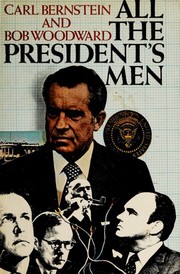
“This structure mirrors All The President's Men and Spotlight but uniquely denies resolution, forcing viewers to accept unknowability.”
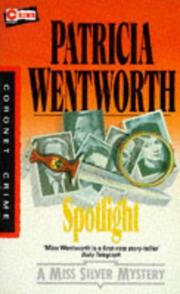
“This structure mirrors All The President's Men and Spotlight but uniquely denies resolution, forcing viewers to accept unknowability.”
More from The Rewatchables
We summarize every new episode. Want them in your inbox?
‘L.A. Confidential’ With Bill Simmons, Chris Ryan, Sean Fennessey, and Andy Greenwald
‘The Nice Guys’ With Bill Simmons, Chris Ryan, and Rob Mahoney
A CR Month Mailbag!
‘To Live and Die in L.A.’ With Bill Simmons, Chris Ryan, and Sean Fennessey
‘Fargo’ With Bill Simmons, Chris Ryan, and Kyle Brandt
Similar Episodes
Related episodes from other podcasts

The Founders Podcast
Jul 26
#426 How Obsession Built Christopher Nolan

a16z Podcast
Aug 31
Gavin Baker: Why AI Demand Is Outrunning Compute Supply

The Diary of a CEO
Aug 31
Top White House Advisor: The US Empire Is DYING And Socialism Is Coming Next! | David Friedberg

The Vergecast
Aug 24
We play a brutal quiz of our gadget memories

How I Built This
Aug 24
YETI: Roy and Ryan Seiders. How Two Brothers Turned a $400 Cooler Into a $2 Billion Brand
Explore Related Topics
You're clearly into The Rewatchables.
Every Monday, we deliver AI summaries of the latest episodes from The Rewatchables and 192+ other podcasts. Free for one show.
Start My Monday DigestNo credit card · Unsubscribe anytime