'Marathon Man' With Bill Simmons and Chris Ryan
Episode
95 min
Read time
2 min
Topics
Product & Tech Trends, Psychology & Behavior, Philosophy & Wisdom
AI-Generated Summary
Key Takeaways
- ✓Seventies Thriller Formula: Marathon Man exemplifies the paranoia thriller genre specific to 1976 post-Watergate America, combining political conspiracy with revenge narrative. The film uses shadowy cinematography, minimal dialogue, and everyday settings transformed into surreal danger zones where trust becomes impossible and government complicity remains ambiguous throughout.
- ✓Olivier Method Acting Clash: Laurence Olivier reportedly told Dustin Hoffman "why don't you just try acting" when Hoffman stayed awake three days to simulate exhaustion for a scene. This legendary exchange highlighted generational acting philosophy differences, with Olivier representing classical stage technique versus Hoffman's immersive method approach requiring physical transformation and emotional authenticity.
- ✓Goldman Screenplay Conflict: William Goldman wrote both the novel and screenplay but clashed with Hoffman over the ending. Robert Towne rewrote the finale, removing Goldman's darker conclusion where Babe shoots Zell multiple times. Goldman considered the compromise version inferior, demonstrating how star power can override writer intent in Hollywood productions.
- ✓Nazi Villain Effectiveness: The film succeeds because Christian Zell represents actual historical evil rather than fictional threats. Olivier portrays vulnerability alongside menace, creating a three-dimensional antagonist who remains terrifying during torture scenes yet shows genuine fear when Holocaust survivors recognize him in Manhattan's Diamond District, balancing power with mortality.
- ✓Location Shooting Impact: Filming on actual New York City streets and Paris locations in 1976 creates authenticity impossible to replicate with modern controlled environments or Toronto substitutes. Conrad Hall's cinematography captures genuine urban texture, random pedestrians, and architectural details that ground the paranoid thriller in tangible reality rather than studio artifice.
What It Covers
Bill Simmons and Chris Ryan dissect the 1976 thriller Marathon Man, examining Dustin Hoffman's method acting, Laurence Olivier's legendary torture scene performance, William Goldman's screenplay conflicts, and how seventies paranoia thrillers captured post-Watergate anxiety through Nazi villains and dental horror.
Key Questions Answered
- •Seventies Thriller Formula: Marathon Man exemplifies the paranoia thriller genre specific to 1976 post-Watergate America, combining political conspiracy with revenge narrative. The film uses shadowy cinematography, minimal dialogue, and everyday settings transformed into surreal danger zones where trust becomes impossible and government complicity remains ambiguous throughout.
- •Olivier Method Acting Clash: Laurence Olivier reportedly told Dustin Hoffman "why don't you just try acting" when Hoffman stayed awake three days to simulate exhaustion for a scene. This legendary exchange highlighted generational acting philosophy differences, with Olivier representing classical stage technique versus Hoffman's immersive method approach requiring physical transformation and emotional authenticity.
- •Goldman Screenplay Conflict: William Goldman wrote both the novel and screenplay but clashed with Hoffman over the ending. Robert Towne rewrote the finale, removing Goldman's darker conclusion where Babe shoots Zell multiple times. Goldman considered the compromise version inferior, demonstrating how star power can override writer intent in Hollywood productions.
- •Nazi Villain Effectiveness: The film succeeds because Christian Zell represents actual historical evil rather than fictional threats. Olivier portrays vulnerability alongside menace, creating a three-dimensional antagonist who remains terrifying during torture scenes yet shows genuine fear when Holocaust survivors recognize him in Manhattan's Diamond District, balancing power with mortality.
- •Location Shooting Impact: Filming on actual New York City streets and Paris locations in 1976 creates authenticity impossible to replicate with modern controlled environments or Toronto substitutes. Conrad Hall's cinematography captures genuine urban texture, random pedestrians, and architectural details that ground the paranoid thriller in tangible reality rather than studio artifice.
Notable Moment
The discussion reveals Marathon Man was the third film to use the revolutionary Steadicam technology after Bound for Glory and Rocky, though it released first. This technical innovation enabled the fluid chase sequences and handheld intimacy that defined seventies thriller aesthetics, fundamentally changing how filmmakers could capture movement and suspense.
Episode Transcript
This podcast is sponsored by PayPal. Let's talk holiday shopping. Make the most of your money with PayPal. They give you the flexibility to pay in four. No fees. No interest. So whether it's the must have toy or a tiered cheese board, PayPal helps you make the most of your money this holiday, subject to approval. Learn more at paypal.com/payin for PayPal Inc n mls91045seven. The Rewatchable is brought to you by the Ringer Podcast Network where we can find the watch with Chris Ryan. Sure can. Pops on the big picture from time to time as well. I do. About nine other Ringer podcasts. Well, I honestly, I'm keeping it to the the the big three right now, but I'm always open. It's really special, maybe, for the draft? Perhaps. We'll see who we get at three. Who are you rooting for? Trade down for Edgecomb. Oh. Get another piece. There you go. It's still New York City month. It kinda just fell into New York City month. I saw you did that. Five episodes in June, though. We have to find two more New York movies after this. Twist my arm. Marathon man was an easy one. We've been circling this one for a while. You've you've cute you kept nudging me. I've been banging in the dentist chair. I forgot to bring the book. I was gonna put the book Yeah. Right out there. But, anyway, Marathon Man is next. Dustin Hoffman, Lawrence Olivier, Roy Scheider, William Devane, Marta Keller. Is it safe? Is it safe? Marathon Man, a thriller rated r. This episode of the rewatchables is presented to you by Amazon Prime. Prime is more than just fast delivery. It's also where you can dive deep into your favorite movie genres with Prime Video and get what you need fast to fuel your obsession. You also if you if you watch a movie in Amazon Prime, you can click down and see the actors in each scene for a lot of the movies, which is great. Snacks for movie night, a new book on film theory, it's all there too on Amazon Prime. Whatever it is, Prime helps you get more out of whatever passions you're into or getting into. Head to amazon.com/prime and follow your obsession wherever it goes. Nazis. The greatest movie villains we will ever have. We just peaked This is from the rewatchables. We just peaked. We're just never gonna top it. When you There's nothing better. If you if you have a chance to get a vice angla in the movie, you gotta you gotta do it, man. It's just you know, you can have all these different types of villains. Uh-huh. You can make them as evil as you want. You can make them as intimidating, as tough as you want, but then you throw in Nazi war criminal walking through the jewelry district hoping nobody recognizes him, and I'm like, we've peaked. Yeah. Yeah. I was thinking …
Get the full transcript (17,932 words) + summary by email — free
One-time email with the complete transcript and AI summary of this episode. No account needed.
One email, no spam. We’ll also show you what SignalCast does.

You just read a 3-minute summary of a 92-minute episode.
Get The Rewatchables summarized like this every Monday — plus up to 2 more podcasts, free.
Pick Your Podcasts — FreeKeep Reading
More from The Rewatchables
‘L.A. Confidential’ With Bill Simmons, Chris Ryan, Sean Fennessey, and Andy Greenwald
Mar 31 · 150 min

The Daily (NYT)
Naomi Klein and Astra Taylor Say the End of the World is Now on the Table
Sep 12
More from The Rewatchables
‘The Nice Guys’ With Bill Simmons, Chris Ryan, and Rob Mahoney
Mar 24 · 89 min

All-In with Chamath, Jason, Sacks & Friedberg
AI Kills Everybody or Doomer Psyop? OpenAI's Math Breakthrough, Nike's $200B Collapse
Sep 11
Books, tools, and gear mentioned in this episode
SignalCast may earn commission on purchases via these links. As an Amazon Associate, SignalCast earns from qualifying purchases.
Books
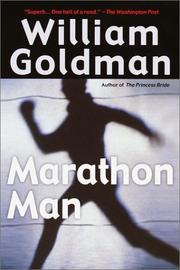 Marathon ManBy guest
by William Goldman
“William Goldman wrote both the novel and screenplay but clashed with Hoffman over the ending.”
other
“Marathon Man was the third film to use the revolutionary Steadicam technology after Bound for Glory and Rocky, though it released first.”
“Bill Simmons and Chris Ryan dissect the 1976 thriller Marathon Man, examining Dustin Hoffman's method acting, Laurence Olivier's legendary torture scene performance.”
“Marathon Man was the third film to use the revolutionary Steadicam technology after Bound for Glory and Rocky, though it released first.”
More from The Rewatchables
We summarize every new episode. Want them in your inbox?
‘L.A. Confidential’ With Bill Simmons, Chris Ryan, Sean Fennessey, and Andy Greenwald
‘The Nice Guys’ With Bill Simmons, Chris Ryan, and Rob Mahoney
A CR Month Mailbag!
‘To Live and Die in L.A.’ With Bill Simmons, Chris Ryan, and Sean Fennessey
‘Fargo’ With Bill Simmons, Chris Ryan, and Kyle Brandt
Similar Episodes
Related episodes from other podcasts

The Daily (NYT)
Sep 12
Naomi Klein and Astra Taylor Say the End of the World is Now on the Table

All-In with Chamath, Jason, Sacks & Friedberg
Sep 11
AI Kills Everybody or Doomer Psyop? OpenAI's Math Breakthrough, Nike's $200B Collapse

The Vergecast
Sep 8
The tech that made a 2-hour marathon possible

Stuff You Should Know
Aug 29
Selects: Flagpole Sitting: A Real Fad

How I Built This
Aug 24
YETI: Roy and Ryan Seiders. How Two Brothers Turned a $400 Cooler Into a $2 Billion Brand
Explore Related Topics
You're clearly into The Rewatchables.
Every Monday, we deliver AI summaries of the latest episodes from The Rewatchables and 192+ other podcasts. Free for one show.
Start My Monday DigestNo credit card · Unsubscribe anytime