629. WWI: The Christmas Truce
Episode
58 min
Read time
2 min
Topics
Career Growth, Relationships, History
AI-Generated Summary
Key Takeaways
- ✓Fraternization Origins: Informal truces began in November 1914, weeks before Christmas, with soldiers arranging pauses for meals, trench repairs, and body retrieval through shouted agreements across no man's land, enabled by German waiters who had worked in London speaking English.
- ✓Football Match Reality: Only two documented instances of actual football occurred at Frelinghien and Wulvergem on Christmas 1914, involving brief kickabouts rather than organized matches. The famous three-two score story originated from Robert Graves' fiction, not historical fact, despite widespread belief.
- ✓Continuation of War: Soldiers resumed fighting after Christmas because both sides genuinely believed in their causes—Germans felt encircled and fighting for survival, British and French for Belgian liberation. The truce was temporary relief, not rejection of war aims or military duty.
- ✓Memory Construction: The Christmas Truce gained prominence only in the 1960s through Joan Littlewood's "Oh What a Lovely War," becoming a symbol of war's futility during anti-war sentiment around Iraq and Afghanistan conflicts, particularly amplified by the 2014 centenary and Sainsbury's viral advertisement.
What It Covers
The Christmas Truce of 1914 between British and German soldiers on the Western Front involved spontaneous fraternization, gift exchanges, and burial of dead, but the famous football match story is largely mythical and most soldiers resumed fighting willingly.
Key Questions Answered
- •Fraternization Origins: Informal truces began in November 1914, weeks before Christmas, with soldiers arranging pauses for meals, trench repairs, and body retrieval through shouted agreements across no man's land, enabled by German waiters who had worked in London speaking English.
- •Football Match Reality: Only two documented instances of actual football occurred at Frelinghien and Wulvergem on Christmas 1914, involving brief kickabouts rather than organized matches. The famous three-two score story originated from Robert Graves' fiction, not historical fact, despite widespread belief.
- •Continuation of War: Soldiers resumed fighting after Christmas because both sides genuinely believed in their causes—Germans felt encircled and fighting for survival, British and French for Belgian liberation. The truce was temporary relief, not rejection of war aims or military duty.
- •Memory Construction: The Christmas Truce gained prominence only in the 1960s through Joan Littlewood's "Oh What a Lovely War," becoming a symbol of war's futility during anti-war sentiment around Iraq and Afghanistan conflicts, particularly amplified by the 2014 centenary and Sainsbury's viral advertisement.
Notable Moment
Henry Williamson, the 19-year-old soldier who participated in the truce, later became obsessed with Anglo-German kinship and evolved into a fascist who attempted to fly to Germany in 1939 to meet Hitler, believing they shared pacifist ideals as fellow trench veterans.
No transcript yet — request it by email, free
We'll transcribe this episode on request and email you the full transcript and AI summary — usually within a day. No account needed.
One email, no spam. We’ll also show you what SignalCast does.

You just read a 3-minute summary of a 55-minute episode.
Get The Rest is History summarized like this every Monday — plus up to 2 more podcasts, free.
Pick Your Podcasts — FreeKeep Reading
More from The Rest is History
704. Roman Civil War: Master of the Republic (Part 4)
Sep 9 · 70 min

Stuff You Should Know
How Russia Shapes What the World Thinks
Jul 30
More from The Rest is History
703. Roman Civil War: Marching on the Senate (Part 3)
Sep 6 · 73 min

Everything Everywhere Daily
Stalingrad: The Bloodiest Battle in History (Encore)
Jul 19
Books, tools, and gear mentioned in this episode
SignalCast may earn commission on purchases via these links. As an Amazon Associate, SignalCast earns from qualifying purchases.
Books
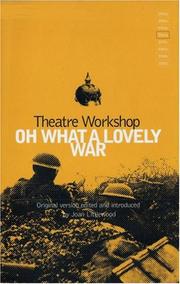
by Joan Littlewood
“The Christmas Truce gained prominence only in the 1960s through Joan Littlewood's 'Oh What a Lovely War,' becoming a symbol of war's futility during anti-war sentiment around Iraq and Afghanistan conflicts”
More from The Rest is History
We summarize every new episode. Want them in your inbox?
704. Roman Civil War: Master of the Republic (Part 4)
703. Roman Civil War: Marching on the Senate (Part 3)
702. Roman Civil War: The Barbarian Invasion (Part 2)
701. Roman Civil War: Rise of the General (Part 1)
700. The Troubles: Bloody Sunday (Part 4)
Similar Episodes
Related episodes from other podcasts

Stuff You Should Know
Jul 30
How Russia Shapes What the World Thinks

Everything Everywhere Daily
Jul 19
Stalingrad: The Bloodiest Battle in History (Encore)

The AI Breakdown
Jul 17
Is Kimi K3 Really Fable Class?
The AI Breakdown
Jul 8
AI Costs Are Surging and the Cheap Model Fix Might Not Last

20VC (20 Minute VC)
Apr 14
20VC: Anj Midha on Investing $300M into Anthropic | The Early Days of Anthropic & How 21 of 22 VCs Turned it Down | The Four Bottlenecks to Compute | What the China Has Smashed and Why We Should Be Worried
Explore Related Topics
This podcast is featured in Best History Podcasts (2026) — ranked and reviewed with AI summaries.
You're clearly into The Rest is History.
Every Monday, we deliver AI summaries of the latest episodes from The Rest is History and 192+ other podcasts. Free for one show.
Start My Monday DigestNo credit card · Unsubscribe anytime