Build a Second Brain: Tiago Forte's Playbook for Clarity and Productivity (TPS586)
Episode
50 min
Read time
2 min
Topics
Productivity, Health & Wellness, Leadership
AI-Generated Summary
Key Takeaways
- ✓PARA Framework: Organize all digital information into four categories: Projects (short-term goals with deadlines), Areas (ongoing responsibilities like health or finances), Resources (reference materials and learning content), and Archives (inactive items from other categories). Apply this single system across every platform including email, task managers, cloud storage, and note apps to eliminate organizational complexity.
- ✓Weekly Review Process: Complete a 30-45 minute weekly review that clears five inboxes: email, calendar, notes app, task manager, and today list. Flow information from email into notes and tasks, then select only 10 tasks maximum for the week's today list. This single session replaces daily planning rituals and prevents the common trap of doing work during review time instead of just reviewing.
- ✓Knowledge as Leverage: Every task requires associated information like phone numbers, receipts, or email threads. Organizing this supporting information creates 10-100x productivity gains because work done once (like creating an onboarding checklist) generates value repeatedly. Disorganized information creates friction that triggers procrastination, as the subconscious mind recognizes hidden complexity beneath simple-looking tasks.
- ✓Capture Configuration: Set up default capture methods for the top five information sources in your life. Use browser extensions for web pages, quick capture apps for mobile notes, photo sharing to notes apps, and iPad drawing tools that sync to your second brain. Spend initial time establishing these pathways so capturing becomes automatic rather than requiring decision-making each time.
- ✓Action vs Reference Split: Building a Second Brain handles the 90% of information that GTD does not address. GTD manages actionable tasks while second brain systems manage reference information like book highlights, web clippings, PDFs, and research notes. The two systems complement each other, with notes linking out from task items to provide full context when needed for execution.
What It Covers
Tiago Forte explains his Building a Second Brain system for personal knowledge management. He covers the three-pillar framework of capturing, organizing, and sharing information using digital note-taking apps, introduces the PARA organizational method with four categories, and demonstrates how external knowledge systems reduce cognitive load and enable better productivity than relying on memory alone.
Key Questions Answered
- •PARA Framework: Organize all digital information into four categories: Projects (short-term goals with deadlines), Areas (ongoing responsibilities like health or finances), Resources (reference materials and learning content), and Archives (inactive items from other categories). Apply this single system across every platform including email, task managers, cloud storage, and note apps to eliminate organizational complexity.
- •Weekly Review Process: Complete a 30-45 minute weekly review that clears five inboxes: email, calendar, notes app, task manager, and today list. Flow information from email into notes and tasks, then select only 10 tasks maximum for the week's today list. This single session replaces daily planning rituals and prevents the common trap of doing work during review time instead of just reviewing.
- •Knowledge as Leverage: Every task requires associated information like phone numbers, receipts, or email threads. Organizing this supporting information creates 10-100x productivity gains because work done once (like creating an onboarding checklist) generates value repeatedly. Disorganized information creates friction that triggers procrastination, as the subconscious mind recognizes hidden complexity beneath simple-looking tasks.
- •Capture Configuration: Set up default capture methods for the top five information sources in your life. Use browser extensions for web pages, quick capture apps for mobile notes, photo sharing to notes apps, and iPad drawing tools that sync to your second brain. Spend initial time establishing these pathways so capturing becomes automatic rather than requiring decision-making each time.
- •Action vs Reference Split: Building a Second Brain handles the 90% of information that GTD does not address. GTD manages actionable tasks while second brain systems manage reference information like book highlights, web clippings, PDFs, and research notes. The two systems complement each other, with notes linking out from task items to provide full context when needed for execution.
Notable Moment
Forte describes working at a high-volume Apple Store where he had only 60 minutes to organize customers' computers containing hundreds or thousands of files. This constraint forced him to develop the four-category PARA system as a rapid triage method, which became the foundation for his entire knowledge management approach and proved applicable across all digital platforms.
Episode Transcript
Thanks to Shopify for supporting the productivity show. Shopify is a platform designed for anyone to sell anywhere, giving entrepreneurs like ourselves the resources once reserved just for big business. Sign up for a $1 per month trial period at shopify.com/tps. Welcome to the productivity show, podcast by Asian Efficiency to help you maximize your productivity so you can get everything done without having to sacrifice your health, family, and things that matter to you. We've helped tens of thousands of people save time, be happier, and become more productive. Today, I'm joined by Tiago Forte, founder of Forte Labs and the creator of Building a Second Brain. It's a system he developed for organizing ideas and information to help people become more productive and creative. If you're a knowledge worker and you wanna be more efficient and organized, then you are going to love today's episode. You can also find links to everything that we share on the show notes by going to the productivityshow.com. And now, on with the show. Welcome to another episode of the Proactivity Show. How are you doing today, Tiago? I'm happy. I'm so happy to be here, Tan. Thank you. I'm excited to chat with you here today because we have basically two productivity nerds together on this podcast. And my co host, Brooks, he's a productivity nerd as well and a geek. But today, I have another geek with me, and we're gonna be talking a lot about how you're productive, how you organize information, how you just go about your life, and I think a lot of people are gonna learn so much from you here today. But one of the things we always like to do on the productivity show is start off with the top three favorite resources. Now since you are the guest, I'm going to ask you, can you maybe share in ninety seconds or less what are some of your favorite resources, goods, tools, books you've recently consumed? Okay. Yeah. Let's do it. Ninety seconds. We'll make those quick. Number one, I'm going to say the hours tracker app. This is a an app for iOS. It might also have an Android version that allows you to track your time. It costs a few bucks, maybe 5 at most. And what I like most about it is that it's not automatic. Some of these apps run-in the background and claim to do it all for you. I've not found that to be effective. So, basically, you have to clock in and clock out of each activity, which is so good for developing your self awareness. When you have to actually decide when you're starting and when you're stopping, it really develops that that awareness and that self discipline to be very clear about what you're working on. So that's number one. The second one is free. It's a newsletter called Breaking Smart, spelled just as you would think, breaking smart, from the person who's been most …
Get the full transcript (9,661 words) + summary by email — free
One-time email with the complete transcript and AI summary of this episode. No account needed.
One email, no spam. We’ll also show you what SignalCast does.

You just read a 3-minute summary of a 47-minute episode.
Get The Productivity Show summarized like this every Monday — plus up to 2 more podcasts, free.
Pick Your Podcasts — FreeKeep Reading
More from The Productivity Show
From Reactive to Proactive in 10 Minutes a Day
Oct 21 · 6 min

The Bike Shed
460: Programer Productivity with Valerie Burzynski
Apr 22
More from The Productivity Show
It's a Signaling Problem: Garrett Salpeter on Faster Recovery (TPS635)
Oct 19 · 57 min

The Diary of a CEO
Most Replayed Moment: The 4 Personalities Living In Your Brain! How To Switch Between Them
Jun 19
Books, tools, and gear mentioned in this episode
SignalCast may earn commission on purchases via these links. As an Amazon Associate, SignalCast earns from qualifying purchases.
Books
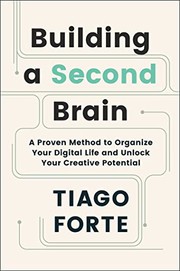
by Tiago Forte
“Tiago Forte explains his Building a Second Brain system for personal knowledge management. He covers the three-pillar framework of capturing, organizing, and sharing information using digital note-taking apps, introduces the PARA organizational method with four categories, and demonstrates how external knowledge systems reduce cognitive load and enable better productivity than relying on memory alone.”
More from The Productivity Show
We summarize every new episode. Want them in your inbox?
From Reactive to Proactive in 10 Minutes a Day
It's a Signaling Problem: Garrett Salpeter on Faster Recovery (TPS635)
Never Forget Again: 5 Places to Use a Checklist
Your Q4 Productivity Reset: Plan the Next 12 Weeks Without Burning Out (TPS634)
Q4 Is Shorter Than You Think
Similar Episodes
Related episodes from other podcasts

The Bike Shed
Apr 22
460: Programer Productivity with Valerie Burzynski

The Diary of a CEO
Jun 19
Most Replayed Moment: The 4 Personalities Living In Your Brain! How To Switch Between Them

Syntax
Mar 11
986: Does Code Quality Matter Anymore?

Feel Better, Live More
Feb 8
Mel Robbins on How To Take Control of Your Life With One Simple Habit (Re-release) #622

Deep Questions with Cal Newport
Oct 19
“Rogue” AI Not Inevitable. It’s a Choice.
Explore Related Topics
This podcast is featured in Best Mindset Podcasts (2026) — ranked and reviewed with AI summaries.
Read this week's Health & Longevity Podcast Insights — cross-podcast analysis updated weekly.
You're clearly into The Productivity Show.
Every Monday, we deliver AI summaries of the latest episodes from The Productivity Show and 192+ other podcasts. Free for one show.
Start My Monday DigestNo credit card · Unsubscribe anytime