Aligned to Thrive: How Your Posture Can Supercharge Your Productivity and Eliminate Pain w/ Rick Mathes (TPS584)
Episode
52 min
Read time
2 min
Topics
Productivity, Health & Wellness, Product & Tech Trends
AI-Generated Summary
Key Takeaways
- ✓Pain as diagnostic signal: Pain indicates body position problems, not body condition. When chronic pain occurs, the body compensates around dysfunctional areas. For example, ninety to ninety five percent of low back pain stems from lost hip flexion-extension function, forcing the back to compensate during walking. Address root postural dysfunction rather than treating symptoms.
- ✓Sitting as athletic preparation: Treat desk work as a sport requiring physical conditioning. Sit slightly forward on sit bones with pelvis tipped forward and small arch in low back to engage hip flexors, glutes, and spine stabilizers. Set hourly timers to stand, walk, and perform elbow curls, arm circles, and glute contractions to maintain musculoskeletal activation throughout workdays.
- ✓Task versus project distinction: Procrastination often results from confusing projects with tasks. If completion requires more than two or three steps, classify it as a project with defined next actions. Replace vague items like clean out garage with specific tasks like call Joe about old refrigerator. This clarity eliminates decision paralysis and enables immediate action.
- ✓Mind as generator not storage: The brain excels at generating ideas but fails at storing action items. Capture every task immediately into a trusted external system to free mental processing power. Use voice capture tools like iPhone reminders with Siri integration while driving, then process captured items during morning reviews by assigning context, deferred dates, and project associations.
- ✓Sleep cycle optimization: Schedule sleep in ninety minute cycles totaling six, seven point five, or nine hours based on individual needs. Protect sleep zealously by establishing firm bedtimes. Seven point five hours represents the optimal duration for most people. Inadequate sleep directly impairs cognitive function and physical performance regardless of productivity system sophistication or tool selection.
What It Covers
Rick Mathes, owner of Align Pain Solutions and Egoscue Method practitioner, explains how postural alignment eliminates chronic pain and enhances productivity. The conversation covers his GTD-based productivity system using OmniFocus, the connection between body position and performance, and practical exercises for desk workers experiencing pain from prolonged sitting.
Key Questions Answered
- •Pain as diagnostic signal: Pain indicates body position problems, not body condition. When chronic pain occurs, the body compensates around dysfunctional areas. For example, ninety to ninety five percent of low back pain stems from lost hip flexion-extension function, forcing the back to compensate during walking. Address root postural dysfunction rather than treating symptoms.
- •Sitting as athletic preparation: Treat desk work as a sport requiring physical conditioning. Sit slightly forward on sit bones with pelvis tipped forward and small arch in low back to engage hip flexors, glutes, and spine stabilizers. Set hourly timers to stand, walk, and perform elbow curls, arm circles, and glute contractions to maintain musculoskeletal activation throughout workdays.
- •Task versus project distinction: Procrastination often results from confusing projects with tasks. If completion requires more than two or three steps, classify it as a project with defined next actions. Replace vague items like clean out garage with specific tasks like call Joe about old refrigerator. This clarity eliminates decision paralysis and enables immediate action.
- •Mind as generator not storage: The brain excels at generating ideas but fails at storing action items. Capture every task immediately into a trusted external system to free mental processing power. Use voice capture tools like iPhone reminders with Siri integration while driving, then process captured items during morning reviews by assigning context, deferred dates, and project associations.
- •Sleep cycle optimization: Schedule sleep in ninety minute cycles totaling six, seven point five, or nine hours based on individual needs. Protect sleep zealously by establishing firm bedtimes. Seven point five hours represents the optimal duration for most people. Inadequate sleep directly impairs cognitive function and physical performance regardless of productivity system sophistication or tool selection.
Notable Moment
Mathes recovered from a 1992 car accident that broke his back in five places and left doctors predicting wheelchair dependency by age fifty. After six years of declining function where he could not tie his shoes, he discovered the Egoscue Method through Pete Egoscue's book Pain Free, ran and played tennis pain-free within three months, and eventually opened the first franchised Egoscue clinic.
Episode Transcript
You interested in becoming more productive at work and in life? Then check out the twenty five x coaching program. Discover more at 25xcoaching.com. Welcome to the productivity show, a podcast podcast by Asian Efficiency to help you maximize your productivity so you can get everything done without having to sacrifice your health, family, and things that matter to you. We've helped tens of thousands of people save time, be happier, and become more productive. I'm Tan Pham, founder and CEO of Agent Efficiency, and today, I'm with Rick Mathis. He's the owner and clinic director of Align Pain Solutions in Austin, Texas. Rick and his wife have helped thousands of people get out of pain while helping them understand that if they're hurt, the problem isn't the condition of their body. It's the position of their body. They use simple but powerful exercises to correct the reason why someone gets hurt so that they can get back to doing the things they love to do. I invited Rick to come to my home to have a fireside chat about Rick's approach to productivity. I'm actually one of his clients, and he has helped me a lot over the years by fixing my body and posture. And every time I visit him, we always talk about productivity because he's an avid fan of agent efficiency, and he has some unique twists to how he does things. So in this episode, we talk about his lessons from studying getting things done and his favorite apps and tools for staying productive. We also go into detail how health is a key driver for productivity, where you'll learn how you can eliminate chronic pain that's holding you back from being aging efficient. You can find links to everything that we share on the show notes by going to the productivityshow.com. And now, on with the show. Alright. Welcome to the Productivity Show, Rick. It's great to have you here. How are you? I'm doing great, Dan. Thanks for having me. I appreciate being here. I know we have known each other for many years now, and I'm excited to have you on the show today. Now one of the things that we do when we start off the podcast is to share some of our favorite productivity resources. Actually, in fact, three of them. So in ninety seconds or less, do you wanna share your top three productivity resources? Yeah. I'd be happy to. So I would say the first one from a productivity perspective is probably David Allen's Getting Things Done. That book was, big for me in terms of shifting mindset of how I look at why I'm doing what I'm doing and how I'm doing what I'm doing. Number two would be the software OmniFocus, which is kind of a GTD based piece of software that helps me implement some of the concepts that I've taken from David Allen. And then three would be a book that really changed my …
Get the full transcript (10,190 words) + summary by email — free
One-time email with the complete transcript and AI summary of this episode. No account needed.
One email, no spam. We’ll also show you what SignalCast does.

You just read a 3-minute summary of a 49-minute episode.
Get The Productivity Show summarized like this every Monday — plus up to 2 more podcasts, free.
Pick Your Podcasts — FreeKeep Reading
More from The Productivity Show
Stop Consuming Productivity Tips and Start Using Them
Sep 9 · 10 min

The Tim Ferriss Show
#835: Ben Patrick (KneesOverToesGuy) — 20-Minute Workouts That Produce Wild Results, From Chronic Knee Pain to Dunking Basketballs, Lessons from Charles Poliquin, Bulletproofing the Lower Body, and More
Nov 12
More from The Productivity Show
The Music That Rewires Your Focus w/ Dan Clark from Brain.fm (TPS629)
Sep 7 · 43 min

Practical AI
AI Proficiency: From Users to Builders
Aug 25
Books, tools, and gear mentioned in this episode
SignalCast may earn commission on purchases via these links. As an Amazon Associate, SignalCast earns from qualifying purchases.
Books
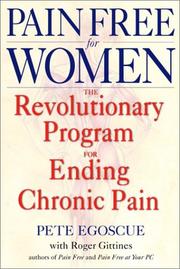 Pain FreeRecommended
by Pete Egoscue
“After six years of declining function where he could not tie his shoes, he discovered the Egoscue Method through Pete Egoscue's book Pain Free, ran and played tennis pain-free within three months, and eventually opened the first franchised Egoscue clinic.”
Tools
- OmniFocusRecommended
“The conversation covers his GTD-based productivity system using OmniFocus, the connection between body position and performance, and practical exercises for desk workers experiencing pain from prolonged sitting.”
More from The Productivity Show
We summarize every new episode. Want them in your inbox?
Stop Consuming Productivity Tips and Start Using Them
The Music That Rewires Your Focus w/ Dan Clark from Brain.fm (TPS629)
Why Your Productivity System Keeps Failing You
The Workflow Friction Audit: Find and Remove the Hidden Drains in Your Day (TPS628)
Why Your Calendar Breaks by 10 AM (And What to Do Instead)
Similar Episodes
Related episodes from other podcasts

The Tim Ferriss Show
Nov 12
#835: Ben Patrick (KneesOverToesGuy) — 20-Minute Workouts That Produce Wild Results, From Chronic Knee Pain to Dunking Basketballs, Lessons from Charles Poliquin, Bulletproofing the Lower Body, and More

Practical AI
Aug 25
AI Proficiency: From Users to Builders

TED Radio Hour
Aug 14
The price of creativity

The Jordan Harbinger Show
Jun 2
1337: Nicole Sachs | How Your Nervous System Might Be Keeping You Sick

The Joe Rogan Experience
May 13
#2498 - Brendan Schaub
Explore Related Topics
This podcast is featured in Best Mindset Podcasts (2026) — ranked and reviewed with AI summaries.
Read this week's Health & Longevity Podcast Insights — cross-podcast analysis updated weekly.
You're clearly into The Productivity Show.
Every Monday, we deliver AI summaries of the latest episodes from The Productivity Show and 192+ other podcasts. Free for one show.
Start My Monday DigestNo credit card · Unsubscribe anytime