#27 - Intro to Season 2
Episode
30 min
Read time
2 min
Topics
Fundraising & VC
AI-Generated Summary
Key Takeaways
- ✓Idea validation before writing: Test loglines and premises with coworkers, interns, and industry contacts before spending a year writing a script. Blake Snyder's Save the Cat method recommends vetting audience response early to avoid wasting time on stories that don't resonate with anyone.
- ✓Navigating mentor discouragement: When pitching underdeveloped ideas, expect discouragement from experienced mentors. Remember the vision in your mind differs from what others hear. Consider feedback carefully but recognize that early-stage pitches often fail to convey the full story potential you envision internally.
- ✓Writer compensation red flags: When producers request option discussions, immediately clarify compensation structure, who gives notes, and payment for draft revisions. Producers who suddenly back out after these questions likely wanted free development work. Always establish payment terms upfront before beginning any script work.
- ✓Option agreement standards: Typical option deals involve ten percent of the final purchase price, lasting twelve to twenty-four months maximum. Options can range from one dollar between friends to negotiated rates, but writers should never accept extended development periods without compensation for their time and revisions.
What It Covers
Hosts Leah and Angel return for season two after the WGA and SAG strikes, discussing their creative projects, the challenge of getting paid as screenwriters, and strategies for testing story ideas before committing time to development.
Key Questions Answered
- •Idea validation before writing: Test loglines and premises with coworkers, interns, and industry contacts before spending a year writing a script. Blake Snyder's Save the Cat method recommends vetting audience response early to avoid wasting time on stories that don't resonate with anyone.
- •Navigating mentor discouragement: When pitching underdeveloped ideas, expect discouragement from experienced mentors. Remember the vision in your mind differs from what others hear. Consider feedback carefully but recognize that early-stage pitches often fail to convey the full story potential you envision internally.
- •Writer compensation red flags: When producers request option discussions, immediately clarify compensation structure, who gives notes, and payment for draft revisions. Producers who suddenly back out after these questions likely wanted free development work. Always establish payment terms upfront before beginning any script work.
- •Option agreement standards: Typical option deals involve ten percent of the final purchase price, lasting twelve to twenty-four months maximum. Options can range from one dollar between friends to negotiated rates, but writers should never accept extended development periods without compensation for their time and revisions.
Notable Moment
A producer expressed interest in optioning Hammond, then abruptly withdrew after the writer asked about compensation structure and who would provide notes, suggesting the producer wanted free development work rather than a legitimate paid option agreement.
Episode Transcript
Hi. Welcome to season two of Pitch. I'm Leah Saint Marie. And I'm Angel. And today, it's Just Us. Just Us. And we're back from our break after season one. Yeah. So why did we take a break, Angel? Well, it was summer, and all good kids get a summer break. That's true. And we've been especially good. Have we? No cool for me. Yeah. Yeah. Well, you were just Austin getting sick. I I was. I got around. I got sick along with, apparently, a lot of other people. In Austin? Is that right? Austin. A lot of other screenwriters that I follow and follow me on Twitter are like, I got sick. It's not COVID, but I'm sick. Or it is COVID. I'm sick. So I'm one of the lucky 10% that I was talking to the right person at the right time. Gotcha. Well, yeah. So we had a little bit of a break with the summertime. We had some projects we're working on. And since we were just talking about you and Austin Yeah. What were you doing in Austin, and why were you there? So I was in Austin promoting this podcast. If you saw me, you probably, were being shoved a tote bag and or a notebook that had our logo on it, the pitch podcast. We had some good swag. If you weren't there and you didn't get any, you missed out. I'm sorry. I had I had 200 things to hand out. And if I missed you, complain to me on Twitter so that I can feel bad. Yeah. Not because we have more to send out. We're done. Nice. But we will we will acknowledge your presence. I just like to feel bad. Yeah. And if you did get something that I gave you, please post and tag us on Twitter. Yeah. Okay. So you were there promoting the podcast, but why were you there? Oh, my gosh. Yeah. The real the the second part of my question. I've been guilty of this my entire professional career and my personal life, and it's horrible because I have a background as a journalist, but I bury the lead constantly. And the reason that I was at Austin is my Italian script made it into the second round. Hey. Congratulations. That's Thanks. Huge. Thank you. Huge. What's the name of the script again? Teatro delle Moray. Oh, yeah. Teatro. And it needs a new title. So if you also have a new title for my script, tag me on Twitter, and I'm taking all suggestions. The Love Boat. It's not that. That could be a title, though. Oh, that could be the title? Yeah. The Love Boat. I mean, and then people looking for the I would have a very specific audience. There is love and there is a boat. This is true. This is very true. So, yeah, that's what I was I was doing in Austin. It was a lot of …
Get the full transcript (5,570 words) + summary by email — free
One-time email with the complete transcript and AI summary of this episode. No account needed.
One email, no spam. We’ll also show you what SignalCast does.

You just read a 3-minute summary of a 27-minute episode.
Get The Pitch summarized like this every Monday — plus up to 2 more podcasts, free.
Pick Your Podcasts — FreeKeep Reading


Books, tools, and gear mentioned in this episode
SignalCast may earn commission on purchases via these links. As an Amazon Associate, SignalCast earns from qualifying purchases.
Books
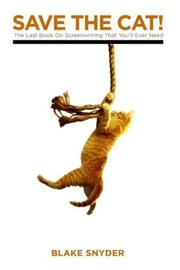 Save the CatRecommended
by Blake Snyder
“Blake Snyder's Save the Cat method recommends vetting audience response early to avoid wasting time on stories that don't resonate with anyone.”
More from The Pitch
We summarize every new episode. Want them in your inbox?
#192 HapWare: A Wearable to Help the Blind "See"
#191 Haiven: AI Protection for Young Gamers
#190 Jubilee’s: Is $100M Thinking Too Small?
#189 Wonderade: Juice, Protein, or a Brand?
#188 Church AI: Deploying God's Agents
Similar Episodes
Related episodes from other podcasts

Strict Scrutiny
Mar 16
Make America Grift Again

The Bike Shed
Nov 25
484: The Season 1 Recap

Odd Lots
Sep 25
Hollywood Was Cooked Before AI, and Now It's Only Getting Worse
Odd Lots
Sep 24
AI Is Upending the Lives of People Who Do Social Media Professionally

The Joe Rogan Experience
Sep 8
#2550 - Rick Springfield
Explore Related Topics
This podcast is featured in Best Startup Podcasts (2026) — ranked and reviewed with AI summaries.
You're clearly into The Pitch.
Every Monday, we deliver AI summaries of the latest episodes from The Pitch and 192+ other podcasts. Free for one show.
Start My Monday DigestNo credit card · Unsubscribe anytime