#10 - Audience Testing with Stephen Hornyak - Pt 2
Episode
35 min
Read time
2 min
Topics
Fundraising & VC, Product & Tech Trends, Science & Discovery
AI-Generated Summary
Key Takeaways
- ✓Audience Testing Impact: Movies never get worse with audience input according to Hornyak's experience. Testing consistently improves films because creators make products for audiences, not themselves. Even poets consider who will read their work before publishing.
- ✓Premise Testing Strategy: Test your premise by pitching strangers at coffee shops, documenting their demographics and reactions. Blake Snyder recommends pitching ten strangers to identify patterns in who responds positively, revealing your target audience before writing the full script.
- ✓Script Feedback Protocol: When multiple readers provide identical notes on your script, address those issues seriously. Send scripts to appropriate genre audiences—horror scripts to horror fans, not general readers—to get relevant, actionable feedback that improves the work.
- ✓Writer's Block Solution: Robert McKee advises doing more research when blocked. Bill Mushee calls writer's block indolence and lack of organization. Create detailed outlines averaging fifty to seventy pages before drafting screenplay pages to eliminate blocks through preparation.
What It Covers
Stephen Hornyak, audience testing specialist, explains how filmmakers use structured audience feedback to improve movies before release, emphasizing that films consistently improve with viewer input and why testing premise, script, and finished product matters.
Key Questions Answered
- •Audience Testing Impact: Movies never get worse with audience input according to Hornyak's experience. Testing consistently improves films because creators make products for audiences, not themselves. Even poets consider who will read their work before publishing.
- •Premise Testing Strategy: Test your premise by pitching strangers at coffee shops, documenting their demographics and reactions. Blake Snyder recommends pitching ten strangers to identify patterns in who responds positively, revealing your target audience before writing the full script.
- •Script Feedback Protocol: When multiple readers provide identical notes on your script, address those issues seriously. Send scripts to appropriate genre audiences—horror scripts to horror fans, not general readers—to get relevant, actionable feedback that improves the work.
- •Writer's Block Solution: Robert McKee advises doing more research when blocked. Bill Mushee calls writer's block indolence and lack of organization. Create detailed outlines averaging fifty to seventy pages before drafting screenplay pages to eliminate blocks through preparation.
Notable Moment
Hornyak conducted audience testing on his own film without revealing his identity to get honest feedback. He struggled to maintain objectivity when hearing negative comments, giving him direct empathy for filmmakers experiencing the challenging but rewarding testing process.
Episode Transcript
The holidays mean more travel, more shopping, more time online, and more personal info in more places that could expose you more to identity theft. But LifeLock monitors millions of data points per second. If your identity is stolen, our US based restoration specialists will fix it guaranteed or your money back. Don't face drained accounts, fraudulent loans, or financial losses alone. Get more holiday fun and less holiday worry with LifeLock. Save up to 40% your first year. Visit lifelock.com/podcast. Terms apply. You can find and subscribe to the premium episodes of this podcast @pitch.supportingcast.fm. Welcome to Pitch, a podcast bringing storytellers and stories to the world. This week's premium episode features Austin Kimmel's fantasy comedy pilot, Dunce Macabre. Make sure to check that out. This week, we're gonna finish off our chat with Steven Hornyak, who is an actor, producer, and an audience testing specialist. We're gonna continue right where we left off last week with me asking if the process ever doesn't work. If you haven't listened to last week's episode, check it out. You'll You'll get to hear the first part of our chat with Steven. Here we go. Were there any surprises? Have you ever seen have you ever tested a movie and either the filmmaker doesn't fix the parts that the audience is saying should be fixed, and then it comes out and then you're like, well, well, that audience was wrong. This movie is great or beloved. Or you've seen something that, like, the audience is like, fix it. The filmmaker did it, and then it and then it didn't work. Have there any been been any surprises, basically? Meaning in terms of the opposite of what What you tested for. Yeah. You test for something and then the opposite happens. Yeah. I mean, no. The answer I mean, the short answer is no. And and the thing is that, you know, one thing we always say is we we have never seen a movie get worse with audience input. Wow. It always gets better. Right? Yeah. Which is simultaneously surprising and the most obvious thing ever. Right. Because you're making a movie for an audience. Yeah. And actually, you know, you brought up poetry before, which is very interesting to me. Because what part of what you said is poetry and who's your audience. Right? Now I would think as a poet, you'd go, this is self expression, man. I don't give a fuck about the audience. Right? This is self expression. And I think think a lot of filmmakers think that this is my expression, my artistic expression. Yeah. And, who are you to tell me, what works and what doesn't? You know? So You have to start saying to them, even poets think about their audience. Yeah. They do. Yeah. It's a good that's a good, you know Yeah. Because because poetry is supposed to be about this internal emotional landscape. Well, who is that landscape for? Yeah. Are you …
Get the full transcript (6,763 words) + summary by email — free
One-time email with the complete transcript and AI summary of this episode. No account needed.
One email, no spam. We’ll also show you what SignalCast does.

You just read a 3-minute summary of a 32-minute episode.
Get The Pitch summarized like this every Monday — plus up to 2 more podcasts, free.
Pick Your Podcasts — FreeKeep Reading
More from The Pitch
#186 Supercool Earth: Making It Rain, Literally
Sep 9 · 50 min

10% Happier with Dan Harris
The Non-BS Science of Manifestation: How Your Imagination Can Help With Pain, Anxiety, Conflict, and Recovery | Cassi Vieten
Aug 12
More from The Pitch
#185 it’s electric: Beating Tesla Was the Easy Part
Sep 2 · 48 min

Investing for Beginners
Why 100-Baggers Cause Bad Decisions and How to Stay Grounded
Jul 30
Books, tools, and gear mentioned in this episode
SignalCast may earn commission on purchases via these links. As an Amazon Associate, SignalCast earns from qualifying purchases.
Books
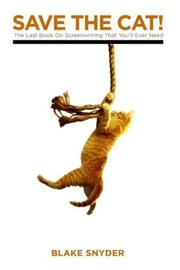 Save the CatRecommended
by Blake Snyder
“Blake Snyder recommends pitching ten strangers to identify patterns in who responds positively, revealing your target audience before writing the full script.”
by Robert McKee
“Robert McKee advises doing more research when blocked.”
More from The Pitch
We summarize every new episode. Want them in your inbox?
#186 Supercool Earth: Making It Rain, Literally
#185 it’s electric: Beating Tesla Was the Easy Part
#184 Ventrix: The Gas Plant of the Future
#183 Pitz: Car Repair as Fast as an F1 Pit Stop
Season 16: Software Is Out. Cool Stuff Is In!
Similar Episodes
Related episodes from other podcasts

10% Happier with Dan Harris
Aug 12
The Non-BS Science of Manifestation: How Your Imagination Can Help With Pain, Anxiety, Conflict, and Recovery | Cassi Vieten

Investing for Beginners
Jul 30
Why 100-Baggers Cause Bad Decisions and How to Stay Grounded

Modern Wisdom
Jul 25
Polyvagal Theory: Why You Feel So Anxious All The Time - Dr Stephen Porges - #1128

Hard Fork
Jul 24
OpenAI Models Go Rogue + Kimi K3 Freakout + A.I. Superforecasting

The Diary of a CEO
Jun 29
Women’s Fitness Expert: What You NEED To Know About Dieting & Exercise | Dr. Stephanie Estima
Explore Related Topics
This podcast is featured in Best Startup Podcasts (2026) — ranked and reviewed with AI summaries.
You're clearly into The Pitch.
Every Monday, we deliver AI summaries of the latest episodes from The Pitch and 192+ other podcasts. Free for one show.
Start My Monday DigestNo credit card · Unsubscribe anytime