How to Get Motivated: #1 Dopamine Expert’s Protocol to Build Willpower & Get Things Done
Episode
82 min
Read time
3 min
Topics
Productivity, Health & Wellness, Marketing
AI-Generated Summary
Key Takeaways
- ✓Pleasure-Pain Balance Mechanism: The brain processes pleasure and pain in the same regions through an opponent process system. When experiencing pleasure, the brain automatically compensates by tilting toward pain to restore homeostasis. With repeated exposure to the same stimulus, initial pleasure weakens while the pain response strengthens, creating a dopamine deficit state where substances or behaviors are needed just to feel normal, not good.
- ✓Three Addiction Risk Factors: Simple access to addictive substances or behaviors ranks as the primary risk factor for addiction. Potency matters second—how much dopamine releases and how quickly determines addictive potential. Third comes uncertainty or novelty, which keeps engagement high through algorithmic feeds that mix familiar content with occasional surprises, creating what neuroscientists call grip or fine-tuned control over perception and action loops.
- ✓ADHD and Dopamine Connection: Brain imaging studies show people with ADHD have lower baseline dopamine transmission in the nucleus accumbens and fewer postsynaptic dopamine receptors compared to control subjects. This reward insensitivity may explain increased impulsivity, stimulus-seeking behavior, and higher vulnerability to addiction. The pathophysiology mirrors what occurs in addiction: down-regulation of dopamine transmission in the reward pathway creates constant craving for stimulation.
- ✓Four-Week Detox Protocol: Abstaining from addictive behaviors for three to four weeks allows neuroadaptation gremlins to hop off the pain side of the balance and restore homeostasis. Studies on teenagers removing social media show reduced depression, anxiety, and loneliness only after three to four weeks—not two weeks or less. Eighty percent of patients feel better and experience less craving after this period, but shorter attempts fail to break the craving cycle.
- ✓Morning Dopamine Defense Strategy: Plan the night before by removing digital devices from the bedroom and preparing exercise gear or meditation materials. Upon waking, immediately get out of bed without checking devices. Complete a morning routine including exercise, meditation, or outdoor time before any screen exposure. Make a written list of device tasks before logging on, as screens immediately hijack intention and transform tools into drugs.
What It Covers
Dr. Anna Lembke, Stanford addiction medicine expert and author of Dopamine Nation, explains how modern life hijacks the brain's pleasure-pain balance through constant dopamine hits from phones, food, and digital media. She provides her clinical protocol for resetting dopamine through intentional discomfort, including a three-to-four-week detox period to restore motivation and happiness.
Key Questions Answered
- •Pleasure-Pain Balance Mechanism: The brain processes pleasure and pain in the same regions through an opponent process system. When experiencing pleasure, the brain automatically compensates by tilting toward pain to restore homeostasis. With repeated exposure to the same stimulus, initial pleasure weakens while the pain response strengthens, creating a dopamine deficit state where substances or behaviors are needed just to feel normal, not good.
- •Three Addiction Risk Factors: Simple access to addictive substances or behaviors ranks as the primary risk factor for addiction. Potency matters second—how much dopamine releases and how quickly determines addictive potential. Third comes uncertainty or novelty, which keeps engagement high through algorithmic feeds that mix familiar content with occasional surprises, creating what neuroscientists call grip or fine-tuned control over perception and action loops.
- •ADHD and Dopamine Connection: Brain imaging studies show people with ADHD have lower baseline dopamine transmission in the nucleus accumbens and fewer postsynaptic dopamine receptors compared to control subjects. This reward insensitivity may explain increased impulsivity, stimulus-seeking behavior, and higher vulnerability to addiction. The pathophysiology mirrors what occurs in addiction: down-regulation of dopamine transmission in the reward pathway creates constant craving for stimulation.
- •Four-Week Detox Protocol: Abstaining from addictive behaviors for three to four weeks allows neuroadaptation gremlins to hop off the pain side of the balance and restore homeostasis. Studies on teenagers removing social media show reduced depression, anxiety, and loneliness only after three to four weeks—not two weeks or less. Eighty percent of patients feel better and experience less craving after this period, but shorter attempts fail to break the craving cycle.
- •Morning Dopamine Defense Strategy: Plan the night before by removing digital devices from the bedroom and preparing exercise gear or meditation materials. Upon waking, immediately get out of bed without checking devices. Complete a morning routine including exercise, meditation, or outdoor time before any screen exposure. Make a written list of device tasks before logging on, as screens immediately hijack intention and transform tools into drugs.
- •Intentional Pain for Happiness: Vigorous exercise during withdrawal from addictive substances decreases withdrawal symptoms and reduces relapse risk by pressing on the pain side of the balance, triggering the body to upregulate feel-good neurotransmitters including dopamine, serotonin, endogenous opioids, and cannabinoids. Exercise causes cellular injury that the body interprets as minor stress, prompting compensatory increases in natural reward chemicals—the mechanism behind runner's high.
Notable Moment
Dr. Lembke shares her personal addiction to romance novels, progressing from Twilight to increasingly graphic content, reading during work breaks between patients, skipping family beach vacations, and hiding in rooms at parties to read. She describes downloading free novels and jumping to three-quarters through just for climactic scenes, mirroring patient descriptions of chasing heroin in the Tenderloin district—demonstrating how any behavior can become addictive.
Episode Transcript
Hey. It's your friend, Mel, and welcome to the Mel Robbins podcast. Let me ask you something. Why is it so hard to do the things you know you need to do? Why can't you just get motivated to work out, eat better, stop scrolling, write the email, go to bed, clean the garage, whatever it is. You wanna do it. You keep telling yourself, you'll start tomorrow. But somehow, you don't. You stay stuck. You keep scrolling. You order the takeout. You waste another hour on your phone, and then you feel like crap about it. Sound familiar? I hear this all the time from friends, from listeners emailing in, from my own kids, and I've lived it too. But the problem isn't you. The problem is your brain. It's been hijacked, and it continues to be hijacked. You're not unmotivated. You're overstimulated. You've been trained by Modern Life to chase easy dopamine, that feel good chemical in your brain all day long. Food, social media, porn, gaming, constant multitasking, and that's rewired your brain to avoid anything that feels hard even when you wanna do it. But here's the good news. You can take your brain back. You can rebuild motivation, focus, and energy. That's why today, we're talking about how to get motivated even when you don't feel like it with the world's number one expert on dopamine. And the shift doesn't take a six month cleanse. You just need this episode. Hey. It's your friend, Mel, and welcome to the Mel Robbins podcast. I am so excited that you're here. I'm fired up for today's conversation. It's such an honor to be together and spend this time with you. And if you're a new listener or you're here because somebody shared this with you, I just wanna take a moment and personally welcome you to the Mel Robbins podcast family. Today's guest is the world's foremost expert on dopamine and its effect on your brain and your habits. I'm talking, of course, about doctor Anna Lembke. Today, you're gonna get her protocol for motivation, happiness, and getting things done. Doctor Anna Lembke is a professor and the medical director of addiction medicine at Stanford University School of Medicine. And she's chief of Stanford's dual diagnosis clinic, where she treats people dealing with addiction and mental health issues. She's trained hundreds of physicians through the Stanford Addiction Medicine Fellowship, where she serves as program director. She's double board certified in both psychiatry and addiction medicine. She is the New York Times best selling author of two books that have been translated into over 30 languages, Dopamine Nation and Drug Dealer MD. She's testified in courtrooms, advised national policy, and she's published more than a 100 peer reviewed papers. Put simply, she is the greatest dopamine mind in the world. And today, she's going to teach you her protocol for motivation, happiness, and getting things done. So without further ado, please help me welcome doctor Anna Lembke to …
Get the full transcript (13,659 words) + summary by email — free
One-time email with the complete transcript and AI summary of this episode. No account needed.
One email, no spam. We’ll also show you what SignalCast does.

You just read a 3-minute summary of a 79-minute episode.
Get The Mel Robbins Podcast summarized like this every Monday — plus up to 2 more podcasts, free.
Pick Your Podcasts — FreeKeep Reading
More from The Mel Robbins Podcast
Stop Making Excuses: How to Change Your Life Right Now
Sep 7 · 76 min

Deep Questions with Cal Newport
Am I Addicted to My Phone? (w/ Anna Lembke) | Monday Advice
May 18
More from The Mel Robbins Podcast
How to Eliminate Self-Doubt, Overcome Failure, & Reset Your Mind for Success
Sep 3 · 61 min

The Diary of a CEO
Dopamine Expert: Short Form Videos Are Frying! People Don't Understand This Is A Dopamine Disaster!
Jan 5
Books, tools, and gear mentioned in this episode
SignalCast may earn commission on purchases via these links. As an Amazon Associate, SignalCast earns from qualifying purchases.
Books
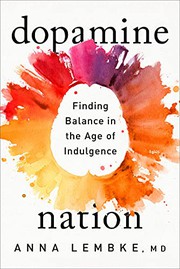
by Anna Lembke
“Dr. Anna Lembke, Stanford addiction medicine expert and author of Dopamine Nation, explains how modern life hijacks the brain's pleasure-pain balance through constant dopamine hits from phones, food, and digital media.”
More from The Mel Robbins Podcast
We summarize every new episode. Want them in your inbox?
Stop Making Excuses: How to Change Your Life Right Now
How to Eliminate Self-Doubt, Overcome Failure, & Reset Your Mind for Success
Heal Your Gut: A Doctor’s 4-Part Protocol to Stop Bloating, Boost Energy, & Feel Better Now
Stop Wasting Your Energy: How to Deal With People Who Won’t Change & What to Do Instead
30 Years of Marriage: 3 Things About Relationships I Wish Someone Told Me Sooner
Similar Episodes
Related episodes from other podcasts

Deep Questions with Cal Newport
May 18
Am I Addicted to My Phone? (w/ Anna Lembke) | Monday Advice

The Diary of a CEO
Jan 5
Dopamine Expert: Short Form Videos Are Frying! People Don't Understand This Is A Dopamine Disaster!

Huberman Lab
Jun 26
Essentials: Understanding & Treating Addiction | Dr. Anna Lembke

Hidden Brain
Dec 15
The Path to Enough
Hidden Brain
Dec 8
The Paradox of Pleasure
Explore Related Topics
This podcast is featured in Best Mindset Podcasts (2026) — ranked and reviewed with AI summaries.
Read this week's Health & Longevity Podcast Insights — cross-podcast analysis updated weekly.
You're clearly into The Mel Robbins Podcast.
Every Monday, we deliver AI summaries of the latest episodes from The Mel Robbins Podcast and 192+ other podcasts. Free for one show.
Start My Monday DigestNo credit card · Unsubscribe anytime