From the Archive: Jocko Willink | Discipline Equals Freedom
Episode
88 min
Read time
2 min
Topics
Career Growth, Productivity, Relationships
AI-Generated Summary
Key Takeaways
- ✓Extreme Ownership Framework: Leaders take full responsibility when things fail and give credit to teams when things succeed. This approach builds trust faster than blame-shifting. When reporting to superiors, acknowledge mistakes and present specific corrective actions rather than pointing fingers at subordinates. This creates team environments where everyone focuses on solving problems instead of defending themselves from accusations.
- ✓Preemptive Communication Strategy: Write confirmation emails after phone conversations listing three key points and timelines to prevent misalignment. For critical decisions, combine both written documentation and verbal discussion. This dual-method approach catches misunderstandings before they become expensive failures. The technique works equally well managing upward to bosses and downward to team members, creating clear agreement trails.
- ✓Early Confrontation Principle: Address performance issues within weeks, not months. The longer problems persist without correction, the harder conversations become. First conversation: ask questions about their approach. Second: provide specific guidance adjustments. Final: termination if needed. Waiting six months transforms a simple course correction into a firing conversation, which damages both parties and reveals leadership failure.
- ✓Micromanagement Counter-Strategy: When dealing with controlling bosses, provide excessive information and updates proactively. Overwhelm them with details, reports, and transparency until they voluntarily reduce oversight. This approach builds trust faster than resisting control. Willink maintained identical positive relationships with both hands-off leaders and extreme micromanagers using this information saturation technique throughout his twenty-year career.
- ✓Decentralized Command Structure: Give subordinates ownership by asking them to develop plans rather than dictating methods. Use commander's intent (desired end state) instead of step-by-step instructions. Review their proposed approach, make minor adjustments, then let them execute. This builds genuine ownership because they created the plan. When things fail, leaders take responsibility; when things succeed, subordinates receive credit.
What It Covers
Jocko Willink, retired Navy SEAL commander with twenty years service including combat in Ramadi, discusses leadership principles from Extreme Ownership and his children's book Way of the Warrior Kid. He covers taking responsibility without blame, decentralized command structures, early confrontation strategies, discipline routines, and applying battlefield lessons to business and personal development challenges.
Key Questions Answered
- •Extreme Ownership Framework: Leaders take full responsibility when things fail and give credit to teams when things succeed. This approach builds trust faster than blame-shifting. When reporting to superiors, acknowledge mistakes and present specific corrective actions rather than pointing fingers at subordinates. This creates team environments where everyone focuses on solving problems instead of defending themselves from accusations.
- •Preemptive Communication Strategy: Write confirmation emails after phone conversations listing three key points and timelines to prevent misalignment. For critical decisions, combine both written documentation and verbal discussion. This dual-method approach catches misunderstandings before they become expensive failures. The technique works equally well managing upward to bosses and downward to team members, creating clear agreement trails.
- •Early Confrontation Principle: Address performance issues within weeks, not months. The longer problems persist without correction, the harder conversations become. First conversation: ask questions about their approach. Second: provide specific guidance adjustments. Final: termination if needed. Waiting six months transforms a simple course correction into a firing conversation, which damages both parties and reveals leadership failure.
- •Micromanagement Counter-Strategy: When dealing with controlling bosses, provide excessive information and updates proactively. Overwhelm them with details, reports, and transparency until they voluntarily reduce oversight. This approach builds trust faster than resisting control. Willink maintained identical positive relationships with both hands-off leaders and extreme micromanagers using this information saturation technique throughout his twenty-year career.
- •Decentralized Command Structure: Give subordinates ownership by asking them to develop plans rather than dictating methods. Use commander's intent (desired end state) instead of step-by-step instructions. Review their proposed approach, make minor adjustments, then let them execute. This builds genuine ownership because they created the plan. When things fail, leaders take responsibility; when things succeed, subordinates receive credit.
- •Daily Discipline System: Wake at 04:30 daily and complete physical training before work. Write one thousand words daily to produce a book in thirty days (30,000 words). The hardest part of any task is starting—once begun, momentum carries execution. Focus on daily achievable goals rather than distant objectives that become blurry. Small consistent actions compound into major achievements over weeks and months.
Notable Moment
Willink describes a situation where his sniper Chris Kyle requested permission before shooting potential targets during the Battle of Ramadi. The uncertainty itself signaled concern—snipers normally operated independently. This hesitation, combined with recent friendly fire experience where Willink's SEAL killed an Iraqi soldier, led to gathering additional intelligence that confirmed the targets were actually friendly forces, preventing catastrophic fratricide.
Episode Transcript
Why have we asked our contractor we found on angi.com to be our kids' legal guardian? Because he took such good care when redoing our basement that we knew we could trust him to care for our kids. We only met a month ago. Angi, the one you trust to find the ones you trust. Find pros for all your home projects at angi.com. This isn't your average business podcast, and he's not your average host. This is the James Altucher show. Presenting the archive, classic episodes that remain timeless. The raw, unfiltered conversations from the early days in which people shared their failures and showed us exactly how they rebuilt everything from the ground up. In my opinion, the biggest obstacle to taking ownership of things is your ego. It's your ego because it hurts. If you have the hard conversations earlier, they're easier. They're less hostile. The further you go down the path without putting corrective measures on someone, the harder that conversation is gonna be. The way I always handled extreme micromanagers was I gave them more information than they could possibly want. I gave them so much information and control that they didn't even want that control anymore. Is there really such a thing as superpowers? My first thought was no. And then I said, yes, there is. Jiu Jitsu. It it's it's like a superpower because you can defeat people, and you don't have to cower down to them. When you look at your own life, there's not too many people that are in a worse situation, at least in America, of being locked in a two foot tall bamboo cage with their feet shackled and having rats gnaw at their wounds. So I'm here with Jocko Willink. Jocko, welcome. First off, extreme ownership, how US Navy SEALs lead and win. And your new book, it's a kid's novel, Way of the Warrior Kid, from Wimpy to Warrior, the Navy SEAL Way. Congrats on this book. This is the last book I would expect you to write, so congrats on this. Yeah. I had to convince my publisher that I should do that. And was he like, Jack, are you fucking insane? Yeah. He was kinda like that because, well, you've written a bunch of books, so you know this, but he was telling me, hey, you know, what you write is kind of who you are, and you just can't do these random things. People are gonna expect a certain thing from you, and you just can't change it. And and they wanna put you in a bucket. Right. Right. And I hate that, but go ahead. So how did you convince them? Well, that book did really well. Extreme Ownership did really well. And Number one New York Times bestseller. Yep. And then my podcast did really well, and my publisher actually called me and said, hey, Jocko. Your podcast is another book. You can put that thing in a book form. It's …
Get the full transcript (17,951 words) + summary by email — free
One-time email with the complete transcript and AI summary of this episode. No account needed.
One email, no spam. We’ll also show you what SignalCast does.

You just read a 3-minute summary of a 85-minute episode.
Get The James Altucher Show summarized like this every Monday — plus up to 2 more podcasts, free.
Pick Your Podcasts — FreeKeep Reading
More from The James Altucher Show
Carlo Rovelli: Nothing Exists Alone
Sep 11 · 57 min

Modern Wisdom
Jocko Willink, Matt McCusker & Jeff Dye - Mostly Wise #3 - #1139
Aug 20
More from The James Altucher Show
Kareem Abdul-Jabbar: Becoming Kareem, the Skyhook, and the Search for a Self [From the Archive]
Sep 5 · 28 min

Huberman Lab
Essentials: How to Become Resilient, Forge Your Identity & Lead Others | Jocko Willink
Jul 30
Books, tools, and gear mentioned in this episode
SignalCast may earn commission on purchases via these links. As an Amazon Associate, SignalCast earns from qualifying purchases.
Books
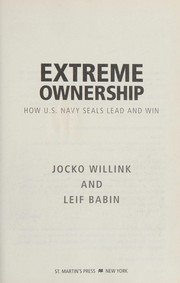
by Jocko Willink
“retired Navy SEAL commander with twenty years service including combat in Ramadi, discusses leadership principles from Extreme Ownership and his children's book Way of the Warrior Kid”

by Jocko Willink
“discusses leadership principles from Extreme Ownership and his children's book Way of the Warrior Kid”
More from The James Altucher Show
We summarize every new episode. Want them in your inbox?
Carlo Rovelli: Nothing Exists Alone
Kareem Abdul-Jabbar: Becoming Kareem, the Skyhook, and the Search for a Self [From the Archive]
How You Get Rich Isn't How You Stay Rich: 300 Years of Proof | Joseph Moore
Seth Godin: The Smallest Viable Audience and the Work That Might Not Work [From the Archive]
Arianna Huffington: The Sleep Revolution, Microsteps, and the Joy of Being Awake [From the Archive]
Similar Episodes
Related episodes from other podcasts

Modern Wisdom
Aug 20
Jocko Willink, Matt McCusker & Jeff Dye - Mostly Wise #3 - #1139

Huberman Lab
Jul 30
Essentials: How to Become Resilient, Forge Your Identity & Lead Others | Jocko Willink

The Diary of a CEO
Feb 27
Most Replayed Moment: Your Excuses Will Destroy You, To Be Disciplined Is To Be Free!
Huberman Lab
Jun 15
The Mental Frame & Specific Daily Actions to Succeed | Andy Stumpf

Up First (NPR)
Jan 25
Challenger at 40: Lessons from a tragedy
Explore Related Topics
This podcast is featured in Best Startup Podcasts (2026) — ranked and reviewed with AI summaries.
You're clearly into The James Altucher Show.
Every Monday, we deliver AI summaries of the latest episodes from The James Altucher Show and 192+ other podcasts. Free for one show.
Start My Monday DigestNo credit card · Unsubscribe anytime