Short Stuff: Aztec Death Whistle
Episode
11 min
Read time
2 min
Topics
Design & UX, Product & Tech Trends, Philosophy & Wisdom
AI-Generated Summary
Key Takeaways
- ✓Archaeological context matters for interpretation: The 20-year-old beheaded male skeleton found at an Aztec wind god temple held two skull-engraved whistles alongside obsidian blades and a ceramic bowl, indicating ceremonial use rather than military application, as the artifacts directly correspond to underworld journey rituals described in pre-Columbian texts.
- ✓Air spring whistle technology was uniquely Mesoamerican: These instruments use an intake tube that reacts with an internal air chamber to distort sound, with hand cupping over the bottom changing tones. This design exists nowhere else in the world and represents distinct pre-Columbian American musical innovation that cannot be played using Western wind instrument techniques.
- ✓Size limitations disprove battle use theory: The original death whistles measure approximately pinky-finger size, making them impractical for battlefield intimidation even with 300 players. Aztecs used drums and conch shells for military purposes instead. The ceremonial interpretation aligns with Codex Borgia illustrations showing wind god and death god guarding the underworld together, arms crossed.
- ✓Reconstruction reveals lost performance knowledge: Music archaeologist Arnd Both created larger CT-scan-based replicas after original whistles produced underwhelming sounds, demonstrating that modern researchers lack the specific playing techniques ancient musicians possessed. The nine-year underworld journey included crossing wind-blade fields, matching the whistles' symbolic function in Toxcatl festival sacrificial rituals honoring Tezcatlipoca.
What It Covers
Aztec death whistles discovered in late 1990s Mexico City excavation reveal ceremonial instruments used in rituals to guide deceased souls through the underworld, not battlefield weapons as commonly believed, based on archaeological evidence and music archaeologist reconstruction work.
Key Questions Answered
- •Archaeological context matters for interpretation: The 20-year-old beheaded male skeleton found at an Aztec wind god temple held two skull-engraved whistles alongside obsidian blades and a ceramic bowl, indicating ceremonial use rather than military application, as the artifacts directly correspond to underworld journey rituals described in pre-Columbian texts.
- •Air spring whistle technology was uniquely Mesoamerican: These instruments use an intake tube that reacts with an internal air chamber to distort sound, with hand cupping over the bottom changing tones. This design exists nowhere else in the world and represents distinct pre-Columbian American musical innovation that cannot be played using Western wind instrument techniques.
- •Size limitations disprove battle use theory: The original death whistles measure approximately pinky-finger size, making them impractical for battlefield intimidation even with 300 players. Aztecs used drums and conch shells for military purposes instead. The ceremonial interpretation aligns with Codex Borgia illustrations showing wind god and death god guarding the underworld together, arms crossed.
- •Reconstruction reveals lost performance knowledge: Music archaeologist Arnd Both created larger CT-scan-based replicas after original whistles produced underwhelming sounds, demonstrating that modern researchers lack the specific playing techniques ancient musicians possessed. The nine-year underworld journey included crossing wind-blade fields, matching the whistles' symbolic function in Toxcatl festival sacrificial rituals honoring Tezcatlipoca.
Notable Moment
When the music archaeologist first attempted playing the centuries-old whistles held by the skeleton, they produced disappointing sounds. Only after CT scanning and building larger replicas did he realize the original musicians possessed specialized playing techniques now completely lost to history.
Episode Transcript
This is an iHeart podcast. Guaranteed human. If you were to try two zero sugar colas with their labels removed and make the decision based on taste alone, do you know which one you'd choose? Well, last year, Pepsi put that to the test for tens of thousands of people across the country in a revival of the iconic Pepsi challenge. And the results were clear. 66% of people preferred the taste of Pepsi zero sugar over Coke zero sugar. That's the idea behind the Pepsi paradox. That when labels and bias disappear, people prefer the taste of Pepsi zero sugar. It really makes you wonder, are you choosing the zero sugar cola that you actually prefer? Or are you settling for the label that you think you prefer? Go out and try Pepsi zero sugar today. You deserve taste. You deserve Pepsi. With no fees or minimums on checking accounts, it's no wonder the Capital One bank guy is so passionate about banking with Capital One. If he were here, he wouldn't just tell you about no fees or minimums. He'd also talk about how most Capital One cafes are open seven days a week to assist with your banking needs. Yep. Even on weekends. It's pretty much all he talks about in a good way. What's in your wallet? Terms apply. See capital1.com/bank. Capital One, n a, member, FDIC. Hey, and welcome to the Short Stuff. Josh, Chuck, Jerry in for Dave. This is Short Stuff. Stand back. That's right. About the Aztec death whistle. We talked a lot about Mexico City, one of our favorite places to visit. And if you go to Mexico City, you should know that you are a lot of times standing on the ruins of ancient burial temples, Aztec temples. Mhmm. And they have excavated those over the years here and there. And in the late nineties, they excavated a temple, dedicated to as to the Aztec wind god, and they uncovered the remains of a 20 year old male that was beheaded, squatting at the base of the stairway and holding a couple of musical instruments. Yeah. As an aside, I just wanna say, I think I've said it before, the the anthropological museum in Mexico City is world class. Yeah. That's on my list. It'll it'll happen next time for sure. It's great. For that very reason because there's so many ruins just built right over Yeah. That and preserved in that way. I mean, think about it. Mexico City is one of the most densely populated cities on the planet, and people were walking over a beheaded skeleton every day until the late nineties when they excavated it. You know? Yeah. Uh-huh. So, yeah, you said that boy, did you say he was holding whistles, or did you just say he was holding something? I said musical instruments, but you yeah. There you go. They're whistles. Whistles. I mean, you could've guessed that from the title. Right? Probably. But …
Get the full transcript (2,461 words) + summary by email — free
One-time email with the complete transcript and AI summary of this episode. No account needed.
One email, no spam. We’ll also show you what SignalCast does.

You just read a 3-minute summary of a 8-minute episode.
Get Stuff You Should Know summarized like this every Monday — plus up to 2 more podcasts, free.
Pick Your Podcasts — FreeKeep Reading
More from Stuff You Should Know
Short Stuff: Flappers
Sep 9 · 11 min

How I Built This
Late July Snacks: Nicole Bernard Dawes. Crackers and Cookies were Failing… Tortilla Chips Saved Them
Aug 31
More from Stuff You Should Know
Nickelodeon:The Best of Slimes
Sep 8 · 50 min

The Indicator
Why Trump wants to rip up his own trade deal
Jul 1
Books, tools, and gear mentioned in this episode
SignalCast may earn commission on purchases via these links. As an Amazon Associate, SignalCast earns from qualifying purchases.
Books
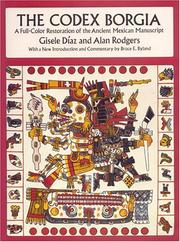
“The ceremonial interpretation aligns with Codex Borgia illustrations showing wind god and death god guarding the underworld together, arms crossed.”
More from Stuff You Should Know
We summarize every new episode. Want them in your inbox?
Similar Episodes
Related episodes from other podcasts

How I Built This
Aug 31
Late July Snacks: Nicole Bernard Dawes. Crackers and Cookies were Failing… Tortilla Chips Saved Them

The Indicator
Jul 1
Why Trump wants to rip up his own trade deal

Up First (NPR)
Jun 27
Search and Rescue in Venezuela, Election Security, Free Childcare

Radiolab
Jun 19
This is Your Brain on Hormones
Up First (NPR)
Jun 11
Escalating Attacks Between US & Iran, Inflation Hits Three-Year High, World Cup Opens
Explore Related Topics
This podcast is featured in Best Science Podcasts (2026) — ranked and reviewed with AI summaries.
You're clearly into Stuff You Should Know.
Every Monday, we deliver AI summaries of the latest episodes from Stuff You Should Know and 192+ other podcasts. Free for one show.
Start My Monday DigestNo credit card · Unsubscribe anytime