Selects: How Spiritualism Works
Episode
61 min
Read time
3 min
Topics
Career Growth, Health & Wellness, Personal Finance
AI-Generated Summary
Key Takeaways
- ✓Origin of a movement: The entire American Spiritualism movement traces to March 31, 1848, when teenage sisters Maggie and Kate Fox convinced neighbors that knocking sounds in their Hydesville, New York farmhouse were spirit communications. Their method was mundane: popping a toe knuckle against a hidden wooden stool. Older sister Leah monetized the act, taking it on the road and managing both sisters as professional mediums for roughly four decades.
- ✓Deception toolkit: Mediums used six primary techniques — channeling (voice acting as spirits), automatic writing (producing text in altered handwriting), direct voice (ventriloquism in darkened rooms), table turning (concealed rings or knee movements), ectoplasm production (pre-made materials hidden in body cavities), and spirit photography (photographic double exposures). Understanding these methods reveals how theatrical staging and darkness, not supernatural phenomena, produced the illusions audiences experienced.
- ✓Three conditions for mass belief: Spiritualism spread because three factors converged simultaneously in the northeastern United States: frontier culture that dismantled traditional religious hierarchies, intense Protestant religious fervor with no centralized authority, and the Industrial Revolution's science of electromagnetism, which normalized invisible forces. Remove any single factor and the movement likely fails to achieve cultural scale or longevity.
- ✓Grief as the primary market: Pre-Civil War Spiritualism functioned mainly as theater entertainment. The Civil War's mass casualties — leaving families with no confirmed deaths, no burial sites, no closure — transformed the market. Mediums shifted from large theatrical performances to small private family séances, dramatically increasing frequency and personal financial exploitation. World War One produced an identical second wave, demonstrating that mass grief events reliably generate demand for mediumship services.
- ✓The "top heavy" vulnerability: A 19th-century fraud manual titled *Revelations of a Spirit Medium*, published anonymously around 1897, documented a specific target called the "top heavy" — an over-credentialed scientist with multiple PhDs who was paradoxically gullible. Mediums actively recruited one credulous scientist among many skeptics, then used that single endorsement exclusively in promotional materials, applying what today would be recognized as appeal-to-authority bias in marketing.
What It Covers
Josh Clark and Chuck Bryant trace the American Spiritualism movement from its 1848 origins with the Fox sisters in Hydesville, New York, through its Civil War-era peak, examining the specific deception techniques mediums used, the social conditions that enabled mass belief, and how Harry Houdini's debunking tradition ultimately dismantled the movement's credibility.
Key Questions Answered
- •Origin of a movement: The entire American Spiritualism movement traces to March 31, 1848, when teenage sisters Maggie and Kate Fox convinced neighbors that knocking sounds in their Hydesville, New York farmhouse were spirit communications. Their method was mundane: popping a toe knuckle against a hidden wooden stool. Older sister Leah monetized the act, taking it on the road and managing both sisters as professional mediums for roughly four decades.
- •Deception toolkit: Mediums used six primary techniques — channeling (voice acting as spirits), automatic writing (producing text in altered handwriting), direct voice (ventriloquism in darkened rooms), table turning (concealed rings or knee movements), ectoplasm production (pre-made materials hidden in body cavities), and spirit photography (photographic double exposures). Understanding these methods reveals how theatrical staging and darkness, not supernatural phenomena, produced the illusions audiences experienced.
- •Three conditions for mass belief: Spiritualism spread because three factors converged simultaneously in the northeastern United States: frontier culture that dismantled traditional religious hierarchies, intense Protestant religious fervor with no centralized authority, and the Industrial Revolution's science of electromagnetism, which normalized invisible forces. Remove any single factor and the movement likely fails to achieve cultural scale or longevity.
- •Grief as the primary market: Pre-Civil War Spiritualism functioned mainly as theater entertainment. The Civil War's mass casualties — leaving families with no confirmed deaths, no burial sites, no closure — transformed the market. Mediums shifted from large theatrical performances to small private family séances, dramatically increasing frequency and personal financial exploitation. World War One produced an identical second wave, demonstrating that mass grief events reliably generate demand for mediumship services.
- •The "top heavy" vulnerability: A 19th-century fraud manual titled *Revelations of a Spirit Medium*, published anonymously around 1897, documented a specific target called the "top heavy" — an over-credentialed scientist with multiple PhDs who was paradoxically gullible. Mediums actively recruited one credulous scientist among many skeptics, then used that single endorsement exclusively in promotional materials, applying what today would be recognized as appeal-to-authority bias in marketing.
- •Social reform through séance: Women dominated the medium profession partly because long Victorian dresses concealed physical tricks and social norms prevented close physical examination by male investigators. This structural advantage gave women financial independence unavailable through other 19th-century occupations. Mediums also used spirit voices to advocate for abolitionism, women's suffrage, temperance, and workers' rights — channeling progressive political messaging through a format audiences accepted as supernatural authority rather than human opinion.
Notable Moment
Maggie Fox eventually confessed publicly to a newspaper — likely the New York Tribune or New York Post — that the famous spirit rappings were simply toe-knuckle sounds on a wooden stool. She later recanted, but the damage was done. Both younger Fox sisters died in poverty in 1890s New York City, largely from alcoholism.
Episode Transcript
This is an iHeart podcast. Guaranteed human. If you were to try two zero sugar colas with their labels removed and make the decision based on taste alone, do you know which one you'd choose? Well, last year, Pepsi put that to the test for tens of thousands of people across the country in a revival of the iconic Pepsi challenge. And the results were clear. 66% of people preferred the taste of Pepsi zero sugar over Coke zero sugar. That's the idea behind the Pepsi paradox. That when labels and bias disappear, people prefer the taste of Pepsi zero sugar. It really makes you wonder, are you choosing the zero sugar cola that you actually prefer? Or are you settling for the label that you think you prefer? Go out and try Pepsi zero sugar today. You deserve taste. You deserve Pepsi. We're always talking about how things work, and one thing that keeps your car running smoothly is regular oil changes. But life's busy, and the oil light always comes on at the worst time. Well, that's why there's take five oil change. It doesn't just save time. It gives you control of your day back. You pull in, stay in your car, check something off your to do list. No waiting room, no pressure, you're in and you're out in about ten minutes. Oil changes include tire pressure checks and fluid top offs, and the friendly staff explain everything and welcome you with a free water. Take Five fitting into your busy schedule is something you should know. Find your nearest shop at take5.com. Whether you're calling the wise women in your life, video calling your girlfriends across the country, or checking in on someone who always knows how to make you smile, staying connected matters. Those small conversations, shared laughs, and quick hellos are what keep relationships strong even when life gets busy. Some of the most life giving conversations start with just a phone call. That's why AT and T guarantees a network you can rely on so you can focus on the moments and people that matter most. That's the AT and T guarantee. AT and T connecting changes everything. Terms and conditions apply. Just visit att.com/guarantee for details. Hey, guys. It's me, your old pal, Josh. And for this week's Select, I've chosen our twenty twenty episode on spiritualism, which, as you might be able to tell from the first couple minutes, was recorded during the height of the COVID pandemic. But that's not why I chose this one. I chose it because it's been coming up a lot lately, for some reason in, episode after episode, which I've taken as a sign to choose this as a select. But it's also kinda made me think about all of the back and forth I've gone through in my life. Is there an afterlife? Is there not an afterlife? Who knows? That's where I'm at right now. Who knows? So maybe listen to this …
Get the full transcript (12,133 words) + summary by email — free
One-time email with the complete transcript and AI summary of this episode. No account needed.
One email, no spam. We’ll also show you what SignalCast does.

You just read a 3-minute summary of a 58-minute episode.
Get Stuff You Should Know summarized like this every Monday — plus up to 2 more podcasts, free.
Pick Your Podcasts — FreeKeep Reading


Books, tools, and gear mentioned in this episode
SignalCast may earn commission on purchases via these links. As an Amazon Associate, SignalCast earns from qualifying purchases.
Books
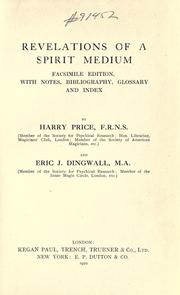
“A 19th-century fraud manual titled *Revelations of a Spirit Medium*, published anonymously around 1897, documented a specific target called the "top heavy" — an over-credentialed scientist with multiple PhDs who was paradoxically gullible.”
More from Stuff You Should Know
We summarize every new episode. Want them in your inbox?
Similar Episodes
Related episodes from other podcasts

Radiolab
Aug 28
Dolly Parton's America: Sad Ass Songs

Everything Everywhere Daily
Aug 19
The Surprising History of the Plow

Up First (NPR)
Jul 26
‘We want to ride’: the 1978 protest that sparked the disability rights movement

The Jordan Harbinger Show
Jul 12
1356: Tipflation | Skeptical Sunday
Radiolab
Jul 3
Atomic Artifacts
Explore Related Topics
This podcast is featured in Best Science Podcasts (2026) — ranked and reviewed with AI summaries.
Read this week's Health & Longevity Podcast Insights — cross-podcast analysis updated weekly.
You're clearly into Stuff You Should Know.
Every Monday, we deliver AI summaries of the latest episodes from Stuff You Should Know and 192+ other podcasts. Free for one show.
Start My Monday DigestNo credit card · Unsubscribe anytime