M*A*S*H: The Story of the 4077th
Episode
56 min
Read time
2 min
Topics
Science & Discovery, History, Books & Authors
AI-Generated Summary
Key Takeaways
- ✓Survival rate vs. entertainment: Real Korean War MASH units achieved a 97% patient survival rate by positioning surgeons 4–5 miles behind front lines. The TV show's premise — civilian doctors drafted under the 1950s Doctor's Draft Act — reflected genuine military medical history, grounding its comedy in documented wartime conditions rather than pure fiction.
- ✓Laugh track as narrative tool: Producers negotiated a compromise with CBS where operating room scenes carried zero laugh track, while other scenes retained it. This deliberate contrast functioned as a tonal signal, shifting viewers between comedy and horror without dialogue, and remains a replicable technique for blending genre registers in serialized storytelling.
- ✓Cast replacement without audience collapse: M*A*S*H replaced three major characters — Trapper John, Colonel Blake, and Frank Burns — across its run without losing viewers. Each replacement shifted the show's tone deliberately: BJ Honeycutt introduced marital fidelity, Potter brought military experience with tolerance, and Winchester added class conflict, demonstrating that character evolution can substitute for continuity.
- ✓Source material vs. adaptation: Hornberger, a politically conservative Maine surgeon, wrote M*A*S*H as loosely connected anecdotes requiring a sports writer co-author to structure. Hollywood transformed it into an anti-war statement he disliked. The gap between creator intent and adaptation outcome produced 14 sequel novels, a film, and an 11-season series — all from one structurally weak manuscript.
- ✓Finale viewership record: The February 1983 series finale, titled *Goodbye, Farewell and Amen*, ran two and a half hours and drew 121 million viewers — approximately 75% of the U.S. population. A 30-second ad spot cost $450,000 (roughly $1.36 million today). The record stood until Super Bowl XLIV in 2010, nearly 27 years later.
What It Covers
Josh and Chuck trace the complete history of M*A*S*H — from Richard Hornberger's 1968 source novel through Robert Altman's 1970 film to the CBS series that ran 11 seasons (1972–1983), covering its characters, landmark episodes, spin-offs, and its record-breaking 121-million-viewer finale.
Key Questions Answered
- •Survival rate vs. entertainment: Real Korean War MASH units achieved a 97% patient survival rate by positioning surgeons 4–5 miles behind front lines. The TV show's premise — civilian doctors drafted under the 1950s Doctor's Draft Act — reflected genuine military medical history, grounding its comedy in documented wartime conditions rather than pure fiction.
- •Laugh track as narrative tool: Producers negotiated a compromise with CBS where operating room scenes carried zero laugh track, while other scenes retained it. This deliberate contrast functioned as a tonal signal, shifting viewers between comedy and horror without dialogue, and remains a replicable technique for blending genre registers in serialized storytelling.
- •Cast replacement without audience collapse: M*A*S*H replaced three major characters — Trapper John, Colonel Blake, and Frank Burns — across its run without losing viewers. Each replacement shifted the show's tone deliberately: BJ Honeycutt introduced marital fidelity, Potter brought military experience with tolerance, and Winchester added class conflict, demonstrating that character evolution can substitute for continuity.
- •Source material vs. adaptation: Hornberger, a politically conservative Maine surgeon, wrote M*A*S*H as loosely connected anecdotes requiring a sports writer co-author to structure. Hollywood transformed it into an anti-war statement he disliked. The gap between creator intent and adaptation outcome produced 14 sequel novels, a film, and an 11-season series — all from one structurally weak manuscript.
- •Finale viewership record: The February 1983 series finale, titled *Goodbye, Farewell and Amen*, ran two and a half hours and drew 121 million viewers — approximately 75% of the U.S. population. A 30-second ad spot cost $450,000 (roughly $1.36 million today). The record stood until Super Bowl XLIV in 2010, nearly 27 years later.
Notable Moment
The Colonel Blake death scene blindsided the cast — actors reportedly learned of his in-episode death only when Gary Berghof's Radar walked in with the telegram during filming. The scene plays in near-silence, surgeons continuing to operate while quietly crying, with no musical cue or laugh track.
Episode Transcript
This is an iHeart podcast. Guaranteed human. With no fees or minimums on checking accounts, it's no wonder the Capital One bank guy is so passionate about banking with Capital One. If he were here, he wouldn't just tell you about no fees or minimums. He'd also talk about how most Capital One cafes are open seven days a week to assist with your banking needs. Yep. Even on weekends. It's pretty much all he talks about in a good way. What's in your wallet? Terms apply. See capital1.com/bank. Capital One, n a, member, FDIC. GEICO presents a thirty second podcast between your podcast. Today's story is shared by one of our listeners. It's called betrayed by Bill. It was in that moment I caught who was staring back at me in betrayal, or more like what? My insurance bill. With trembling hands, I grabbed my phone and switched to GEICO, saving about $900 in the process and never to be betrayed again. Now that was bloody riveting. It feels good when the story ends with savings. It feels good to GEICO. Work can be a little weird. Cringy training seminars, coworkers who won't stop talking about their plant, forgetting the mute button at an inopportune moment. We have to deal with a lot on any given work day. Sometimes it can feel hard to thrive and move forward in your career. Well, that's where LinkedIn comes in. LinkedIn helps you get ideas and insights from experts in your field, connect with people professionally, grow your network, and access tools designed to help you find the right fit for your next role. Whether you're just getting started, figuring out your next move, or looking to accelerate your career, LinkedIn is built to support you at every stage because LinkedIn is the network that works for you. Visit linkedin.com slash no stuff to learn more. Montreal. Bon soir. It is Josh and Chuck, and we are coming to your French ish town. Yeah. And not just Montreal, we're also coming to Ottawa, the capital of Canada itself, and Toronto, one of our favorite cities in the entire world. That's right. We're gonna be in those cities on June twenty fifth, twenty sixth, and twenty seventh, and there are still plenty of great tickets available. We love going to Canada, and we can't wait to go to some of these towns we've never been to, and you can get tickets. Well, you can go to the, the websites of the venues. You can go to stuffyoushouldknow.com. Click on the on tour button, and click on the tickets link there. There are all kinds of ways to find these tickets. Yeah. And we'll see you guys next week. Welcome to Stuff You Should Know, a production of iHeartRadio. Hey, and welcome to the podcast. I'm Josh, and there's Chuck, and Jerry's here too. And this is Stuff You Should Know, part of our ongoing TV edition, because we were raised on TV. So …
Get the full transcript (11,864 words) + summary by email — free
One-time email with the complete transcript and AI summary of this episode. No account needed.
One email, no spam. We’ll also show you what SignalCast does.

You just read a 3-minute summary of a 53-minute episode.
Get Stuff You Should Know summarized like this every Monday — plus up to 2 more podcasts, free.
Pick Your Podcasts — FreeKeep Reading
More from Stuff You Should Know
Selects: Fallout Shelters: Probably Useless (Let’s Never Find Out)
Sep 19 · 47 min

The Model Health Show
The Food Pyramid Exposed: Here's What No One Is Telling You!
Jan 28
More from Stuff You Should Know
SYSK Gets Weird Playlist: What is Collective Hysteria?
Sep 18 · 42 min

Invest Like the Best with Patrick O'Shaughnessy
Michael Moritz - Lessons From 40 Years of Investing and Writing - [Invest Like the Best, EP.491]
Sep 16
Books, tools, and gear mentioned in this episode
SignalCast may earn commission on purchases via these links. As an Amazon Associate, SignalCast earns from qualifying purchases.
Books
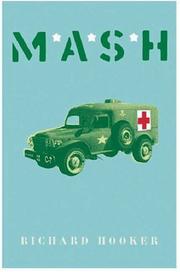 M*A*S*HBy guest
by Richard Hornberger
“Josh and Chuck trace the complete history of M*A*S*H — from Richard Hornberger's 1968 source novel through Robert Altman's 1970 film to the CBS series that ran 11 seasons (1972–1983)”
Products
by Robert Altman
“from Richard Hornberger's 1968 source novel through Robert Altman's 1970 film to the CBS series that ran 11 seasons (1972–1983)”
by CBS
“through Robert Altman's 1970 film to the CBS series that ran 11 seasons (1972–1983), covering its characters, landmark episodes, spin-offs, and its record-breaking 121-million-viewer finale”
More from Stuff You Should Know
We summarize every new episode. Want them in your inbox?
Selects: Fallout Shelters: Probably Useless (Let’s Never Find Out)
SYSK Gets Weird Playlist: What is Collective Hysteria?
SYSK Gets Weird Playlist: What was the Philadelphia Experiment?
SYSK Gets Weird Playlist: Mermaids: Not a real thing
SYSK Gets Weird Playlist: Will We Find Evidence of Aliens by Their Engineering Projects?
Similar Episodes
Related episodes from other podcasts

The Model Health Show
Jan 28
The Food Pyramid Exposed: Here's What No One Is Telling You!

Invest Like the Best with Patrick O'Shaughnessy
Sep 16
Michael Moritz - Lessons From 40 Years of Investing and Writing - [Invest Like the Best, EP.491]

The Diary of a CEO
Aug 31
Top White House Advisor: The US Empire Is DYING And Socialism Is Coming Next! | David Friedberg

Everything Everywhere Daily
Aug 4
The Peasants' Revolt of 1381
Everything Everywhere Daily
Aug 2
The Odyssey of the Odyssey
Explore Related Topics
This podcast is featured in Best Science Podcasts (2026) — ranked and reviewed with AI summaries.
You're clearly into Stuff You Should Know.
Every Monday, we deliver AI summaries of the latest episodes from Stuff You Should Know and 192+ other podcasts. Free for one show.
Start My Monday DigestNo credit card · Unsubscribe anytime