"Jeremy Allen White"
Episode
66 min
Read time
2 min
Topics
Career Growth, Productivity, Relationships
AI-Generated Summary
Key Takeaways
- ✓Early performance discovery: White found acting at age 12 through a serious drama teacher who assigned Shakespeare (Macbeth, Twelfth Night) to middle schoolers, discovering that stage performance created mental focus and presence he couldn't find elsewhere, calming his naturally racing, anxious mind through concentrated attention on scene partners.
- ✓Career transition management: After 11 years on Shameless (age 18-30), White experienced a panic attack during final ADR session, pulling over while driving. He managed the transition through therapy, leaning on friends, and fortunately had The Bear pilot two months later to channel anxiety into new work.
- ✓Role selection framework: White chooses projects based on collaborators (directors, writers, producers, actors) rather than genre or character type. He prioritizes working with filmmakers he admires like Paolo Sorrentino or Paul Thomas Anderson over specific character archetypes, letting creative partnerships guide career decisions rather than predetermined goals.
- ✓Skill acquisition approach: For Bruce Springsteen role, White had six months to learn guitar but didn't learn traditionally—focused only on specific songs needed for film. This makes playing other songs difficult now because he lacks foundational technique, demonstrating focused but limited skill-building under time constraints.
- ✓Fame boundary management: White explains to his daughters (ages 5 and 7) that people recognize a version of him from television, not the real person they know. His oldest daughter now spots photographers before he does, helping navigate public attention while maintaining family routines like their Sunday farmers market visits.
What It Covers
Actor Jeremy Allen White discusses his journey from Brooklyn theater kid to Emmy-winning star of The Bear, his approach to transformative roles like Bruce Springsteen, balancing fame with family life, and managing anxiety through performance focus.
Key Questions Answered
- •Early performance discovery: White found acting at age 12 through a serious drama teacher who assigned Shakespeare (Macbeth, Twelfth Night) to middle schoolers, discovering that stage performance created mental focus and presence he couldn't find elsewhere, calming his naturally racing, anxious mind through concentrated attention on scene partners.
- •Career transition management: After 11 years on Shameless (age 18-30), White experienced a panic attack during final ADR session, pulling over while driving. He managed the transition through therapy, leaning on friends, and fortunately had The Bear pilot two months later to channel anxiety into new work.
- •Role selection framework: White chooses projects based on collaborators (directors, writers, producers, actors) rather than genre or character type. He prioritizes working with filmmakers he admires like Paolo Sorrentino or Paul Thomas Anderson over specific character archetypes, letting creative partnerships guide career decisions rather than predetermined goals.
- •Skill acquisition approach: For Bruce Springsteen role, White had six months to learn guitar but didn't learn traditionally—focused only on specific songs needed for film. This makes playing other songs difficult now because he lacks foundational technique, demonstrating focused but limited skill-building under time constraints.
- •Fame boundary management: White explains to his daughters (ages 5 and 7) that people recognize a version of him from television, not the real person they know. His oldest daughter now spots photographers before he does, helping navigate public attention while maintaining family routines like their Sunday farmers market visits.
Notable Moment
White revealed he seriously considered buying property in Bisbee, Arizona after a cross-country road trip, spending months researching the small desert town. The experience felt like a Twilight Zone episode when every local he met had also just been passing through before opening a shop.

You just read a 3-minute summary of a 63-minute episode.
Get SmartLess summarized like this every Monday — plus up to 2 more podcasts, free.
Pick Your Podcasts — FreeKeep Reading


Books, tools, and gear mentioned in this episode
SignalCast may earn commission on purchases via these links. As an Amazon Associate, SignalCast earns from qualifying purchases.
Books

by William Shakespeare
“White found acting at age 12 through a serious drama teacher who assigned Shakespeare (Macbeth, Twelfth Night) to middle schoolers”
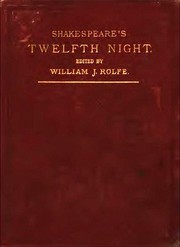
by William Shakespeare
“White found acting at age 12 through a serious drama teacher who assigned Shakespeare (Macbeth, Twelfth Night) to middle schoolers”
More from SmartLess
We summarize every new episode. Want them in your inbox?
Similar Episodes
Related episodes from other podcasts

WorkLife with Adam Grant
Aug 5
ReThinking: Ed Helms on growing through failure

The Rich Roll Podcast
Oct 19
Tom Hopper On Getting Sober, Training For The Screen & Finding The Man Behind The Muscle
The Rich Roll Podcast
Oct 12
Joe Manganiello On Getting Sober, The Mystery Illness That Almost Killed Him & The Trauma We Inherit

How I Built This
Oct 12
Alamo Drafthouse Cinema: Tim and Karrie League (2023)

20VC (20 Minute VC)
Aug 29
20VC: Is Anthropic's Coding Business Worth $2 Trillion? | Should American Enterprises Work With Open-Source Chinese Models? | Why 80–90% of Neo-Labs Die in the Next 18 Months? with Eno Reyes, Co-Founder @ Factory
Explore Related Topics
You're clearly into SmartLess.
Every Monday, we deliver AI summaries of the latest episodes from SmartLess and 192+ other podcasts. Free for one show.
Start My Monday DigestNo credit card · Unsubscribe anytime