"Edgar Wright"
Episode
62 min
Read time
2 min
Topics
Career Growth, Fundraising & VC, Product & Tech Trends
AI-Generated Summary
Key Takeaways
- ✓Early Career Resourcefulness: Wright won a video camera at age 16 through BBC Comic Relief, then created DIY filmmaking tools like a homemade steadicam using ceiling tiles and string to achieve professional camera movements on zero budget, demonstrating how constraint drives innovation.
- ✓Collaborative Writing Process: Writing comedy alone proves isolating and difficult. Wright emphasizes reading scripts aloud with cowriters like Simon Pegg to test timing and delivery, essentially performing scenes like a play before filming, which provides immediate feedback and strengthens material through iteration.
- ✓Music-Driven Filmmaking: Wright experiences synesthesia-like visualization where songs trigger complete film sequences. Baby Driver existed in his mind for 20 years after hearing "Bellbottoms" by Jon Spencer Blues Explosion, with the entire opening scene pre-visualized before writing began.
- ✓Subjective Storytelling Technique: The Running Man maintains protagonist Ben Richards' point of view throughout the entire film, never cutting away to villains or other locations. This creates sustained tension and immersion, differentiating it from typical action films that fragment perspective across multiple characters.
- ✓Comedy Film Influences: Wright cites Raising Arizona and Evil Dead 2 as formative works seen at age 15, both demonstrating infectious enthusiasm in every frame. These films proved comedy could utilize aggressive camera work and visual inventiveness beyond dialogue-driven scenes, shaping his directorial style.
What It Covers
Director Edgar Wright discusses his filmmaking journey from childhood Super 8 movies to The Running Man, covering his creative process, musical influences, the Cornetto trilogy with Simon Pegg, and his approach to blending comedy with action.
Key Questions Answered
- •Early Career Resourcefulness: Wright won a video camera at age 16 through BBC Comic Relief, then created DIY filmmaking tools like a homemade steadicam using ceiling tiles and string to achieve professional camera movements on zero budget, demonstrating how constraint drives innovation.
- •Collaborative Writing Process: Writing comedy alone proves isolating and difficult. Wright emphasizes reading scripts aloud with cowriters like Simon Pegg to test timing and delivery, essentially performing scenes like a play before filming, which provides immediate feedback and strengthens material through iteration.
- •Music-Driven Filmmaking: Wright experiences synesthesia-like visualization where songs trigger complete film sequences. Baby Driver existed in his mind for 20 years after hearing "Bellbottoms" by Jon Spencer Blues Explosion, with the entire opening scene pre-visualized before writing began.
- •Subjective Storytelling Technique: The Running Man maintains protagonist Ben Richards' point of view throughout the entire film, never cutting away to villains or other locations. This creates sustained tension and immersion, differentiating it from typical action films that fragment perspective across multiple characters.
- •Comedy Film Influences: Wright cites Raising Arizona and Evil Dead 2 as formative works seen at age 15, both demonstrating infectious enthusiasm in every frame. These films proved comedy could utilize aggressive camera work and visual inventiveness beyond dialogue-driven scenes, shaping his directorial style.
Notable Moment
Wright reveals he padded his first feature film Fistful of Fingers by creating a two-minute scene shot entirely in darkness where cowboys talk around an extinguished campfire, using black film stock to reach minimum runtime after his assembly edit ran only 75 minutes.
No transcript yet — request it by email, free
We'll transcribe this episode on request and email you the full transcript and AI summary — usually within a day. No account needed.
One email, no spam. We’ll also show you what SignalCast does.

You just read a 3-minute summary of a 59-minute episode.
Get SmartLess summarized like this every Monday — plus up to 2 more podcasts, free.
Pick Your Podcasts — FreeKeep Reading


Books, tools, and gear mentioned in this episode
SignalCast may earn commission on purchases via these links. As an Amazon Associate, SignalCast earns from qualifying purchases.
Books
“Director Edgar Wright discusses his filmmaking journey from childhood Super 8 movies to The Running Man, covering his creative process, musical influences, the Cornetto trilogy with Simon Pegg.”
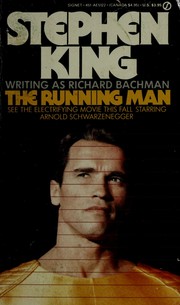
“Director Edgar Wright discusses his filmmaking journey from childhood Super 8 movies to The Running Man, covering his creative process, musical influences, the Cornetto trilogy with Simon Pegg.”
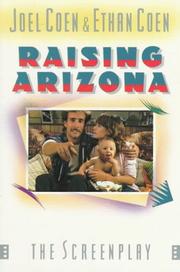 Raising ArizonaRecommended
“Wright cites Raising Arizona and Evil Dead 2 as formative works seen at age 15, both demonstrating infectious enthusiasm in every frame.”
“Wright reveals he padded his first feature film Fistful of Fingers by creating a two-minute scene shot entirely in darkness where cowboys talk around an extinguished campfire.”
 Evil Dead 2Recommended
“Wright cites Raising Arizona and Evil Dead 2 as formative works seen at age 15, both demonstrating infectious enthusiasm in every frame.”
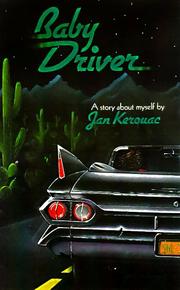
“Baby Driver existed in his mind for 20 years after hearing "Bellbottoms" by Jon Spencer Blues Explosion, with the entire opening scene pre-visualized before writing began.”
Products
- BellbottomsRecommended
by Jon Spencer Blues Explosion
“Baby Driver existed in his mind for 20 years after hearing "Bellbottoms" by Jon Spencer Blues Explosion, with the entire opening scene pre-visualized before writing began.”
More from SmartLess
We summarize every new episode. Want them in your inbox?
Similar Episodes
Related episodes from other podcasts

The Daily (NYT)
Jan 24
'The Interview': Chloé Zhao Is Yearning to Know How to Love

Pivot
Aug 4
RFK Jr.'s Bash Clash, AI's "Jurassic Park" Moment, and Elon's Midterm Millions

The Rich Roll Podcast
Jun 22
Radiohead’s Ed O’Brien on Depression, Trauma & Finding Light Again

Hard Fork
Jun 12
‘Hard Fork’ Live, Part 1: Satya Nadella and Cindy Cohn

Stuff You Should Know
May 9
Selects: Can movies be cursed?
Explore Related Topics
You're clearly into SmartLess.
Every Monday, we deliver AI summaries of the latest episodes from SmartLess and 192+ other podcasts. Free for one show.
Start My Monday DigestNo credit card · Unsubscribe anytime