3480: Should You Die With Zero? by Nick Maggiulli of Of Dollars and Data on Retirement Spending Strategy
Episode
10 min
Read time
2 min
Topics
Personal Finance, Investing, Fundraising & VC
AI-Generated Summary
Key Takeaways
- ✓Retiree Over-Saving Reality: Data from the Investments and Wealth Institute shows 58% of retirees withdraw less than their portfolio earns annually, and only 14% draw down principal. The average retiree leaves $238K–$315K in net worth at death, suggesting under-spending is the more common problem.
- ✓Inheritance Timing Preference: A 17,000-person Twitter poll found 70% prefer $250K at age 30 over $1M at age 50, even though delaying would yield 7%+ real annual returns — exceeding the US stock market's historical 6.9% real return since 1926.
- ✓Peak Inheritance Age Problem: Recipients most commonly receive inheritances around age 60, when financial flexibility is already reduced. Gifting money earlier in smaller amounts delivers greater life impact than larger sums transferred late, making timing a more valuable variable than total amount.
- ✓Die With Zero Strategy: Perkins' framework reframes unspent wealth as unconverted life energy — money earned but never used. Practically applying this means targeting a near-zero balance at death by systematically increasing spending or front-loading gifts to heirs during their highest-impact decades.
What It Covers
Nick Maggiulli of Of Dollars and Data examines Bill Perkins' "Die With Zero" framework, arguing that most retirees over-save, leave behind $238K–$315K at death, and would benefit their heirs more by spending or gifting earlier.
Key Questions Answered
- •Retiree Over-Saving Reality: Data from the Investments and Wealth Institute shows 58% of retirees withdraw less than their portfolio earns annually, and only 14% draw down principal. The average retiree leaves $238K–$315K in net worth at death, suggesting under-spending is the more common problem.
- •Inheritance Timing Preference: A 17,000-person Twitter poll found 70% prefer $250K at age 30 over $1M at age 50, even though delaying would yield 7%+ real annual returns — exceeding the US stock market's historical 6.9% real return since 1926.
- •Peak Inheritance Age Problem: Recipients most commonly receive inheritances around age 60, when financial flexibility is already reduced. Gifting money earlier in smaller amounts delivers greater life impact than larger sums transferred late, making timing a more valuable variable than total amount.
- •Die With Zero Strategy: Perkins' framework reframes unspent wealth as unconverted life energy — money earned but never used. Practically applying this means targeting a near-zero balance at death by systematically increasing spending or front-loading gifts to heirs during their highest-impact decades.
Notable Moment
Despite being offered a guaranteed return surpassing the entire US stock market's century-long performance, seven in ten people still chose the smallest inheritance option — as long as they received it thirty years earlier.
Episode Transcript
When you're ready to start a business, there's so much more to it than just filing paperwork. You need a business address, a website, a phone number, an operating agreement, basically a complete business identity, and Northwest Registered Agent helps you build all of that from day one. Northwest Registered Agent has been helping small business owners and entrepreneurs launch and grow businesses for nearly thirty years. They're the largest registered agent and LLC service in The US with over 1,500 corporate guides, real people who know your local laws and can help you and your business every step of the way. Plus, your home address, personal email, and phone numbers stay private. No upsells, no selling your data. Don't pay hundreds or thousands of dollars for what you can get from Northwest for free. Visit northwestregisteredagent.com/ofdfree and start using free resources to build something amazing. Get more with northwest registered agent at northwestregisteredagent.com/ofdfree. This is Optimal Finance Daily. Should you die with zero? By Nick Majuli of of dollars and data.com. One of the most common personal finance questions I get asked is, am I saving enough? Whether we're discussing saving for retirement, a child's education, or something else entirely, many people are worried about the size of their nest egg. In fact, forty eight percent of US adults experienced high or moderate levels of anxiety around their level of savings according to Northwestern Mutual's 2018 planning and progress study. Despite this anxiety, the evidence suggests that the opposite seems to be true. Many individuals seem to be saving too much. As I stated in chapter two of just keep buying, quote, the Investments and Wealth Institute reported across all wealth levels, fifty eight percent of retirees withdraw less than their investments earn, twenty six percent withdraw up to the amount the portfolio earns, and 14% are drawing down principal, end quote. This means that only about one in seven retirees are withdrawing principal within a given year. The remaining retirees are living off their investment or less than what their investments earn annually. The end result of this behavior is lots of money left to heirs. Once again from chapter two of just keep buying, quote, according to a study by United Income, the average retired adult who dies in their sixties leaves behind 296,000 in net worth, 313,000 in their seventies, 315,000 in their eighties, and 238,000 in their nineties. Surprisingly, retiree wealth tends to go up, not down, with age. This suggests that more people should be asking the question, am I saving too much rather than am I saving enough? This is the primary idea behind Die with Zero by Bill Perkins. In it, Perkins presents a radical new way to think about saving and spending money, namely that you should try to die with $0 to your name. His reasoning is simple. Every dollar that you didn't spend while alive is wasted life energy. It's money that you never needed to work for in …
Get the full transcript (1,885 words) + summary by email — free
One-time email with the complete transcript and AI summary of this episode. No account needed.
One email, no spam. We’ll also show you what SignalCast does.

You just read a 3-minute summary of a 7-minute episode.
Get Optimal Finance Daily summarized like this every Monday — plus up to 2 more podcasts, free.
Pick Your Podcasts — FreeKeep Reading
More from Optimal Finance Daily
3511: The Three Most Common Ways To Achieve FIRE by Christina Browning of Our Rich Journey on Early Retirement Paths
Apr 2 · 11 min

20VC (20 Minute VC)
20Sales: Scaling Snowflake from $0-$3BN in ARR | Snowflake vs Databricks: My Biggest Lessons | Why Customer Success is BS and What Replaces It with Chris Chris Degnan
Oct 10
More from Optimal Finance Daily
3510: 4 Smart Ways to Use Your Tax Refund by Kumiko of The Budget Mom on Smart Refund Use
Apr 1 · 9 min

Software Engineering Daily
Scaling Agent Workloads at Vercel
Sep 17
Books, tools, and gear mentioned in this episode
SignalCast may earn commission on purchases via these links. As an Amazon Associate, SignalCast earns from qualifying purchases.
Books
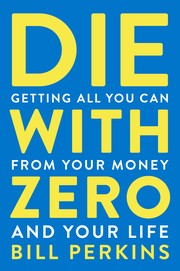 Die With ZeroRecommended
by Bill Perkins
“Nick Maggiulli of Of Dollars and Data examines Bill Perkins' "Die With Zero" framework, arguing that most retirees over-save, leave behind $238K–$315K at death, and would benefit their heirs more by spending or gifting earlier.”
Tools
“Nick Maggiulli of Of Dollars and Data examines Bill Perkins' "Die With Zero" framework”
More from Optimal Finance Daily
We summarize every new episode. Want them in your inbox?
3511: The Three Most Common Ways To Achieve FIRE by Christina Browning of Our Rich Journey on Early Retirement Paths
3510: 4 Smart Ways to Use Your Tax Refund by Kumiko of The Budget Mom on Smart Refund Use
3509: Warren Buffett’s Best Investing Tips by Robert Farrington of The College Investor on Smart Investing
3508: [Part 2] 7 Streams of Income: The Millionaire’s Secret by Dr. Jeff Anzalone with Physician On Fire
3507: [Part 1] 7 Streams of Income: The Millionaire’s Secret by Dr. Jeff Anzalone with Physician On Fire
Similar Episodes
Related episodes from other podcasts

20VC (20 Minute VC)
Oct 10
20Sales: Scaling Snowflake from $0-$3BN in ARR | Snowflake vs Databricks: My Biggest Lessons | Why Customer Success is BS and What Replaces It with Chris Chris Degnan

Software Engineering Daily
Sep 17
Scaling Agent Workloads at Vercel

The Vergecast
Jul 24
You can't ignore Google Zero anymore

a16z Podcast
Jul 23
Building the Physical AI Stack | Travis Kalanick on TBPN

The School of Greatness
Jun 5
Why Your Retirement Plan Is Wasting Your Life | Bill Perkins
Explore Related Topics
This podcast is featured in Best Finance Podcasts (2026) — ranked and reviewed with AI summaries.
Read this week's Investing & Markets Podcast Insights — cross-podcast analysis updated weekly.
You're clearly into Optimal Finance Daily.
Every Monday, we deliver AI summaries of the latest episodes from Optimal Finance Daily and 192+ other podcasts. Free for one show.
Start My Monday DigestNo credit card · Unsubscribe anytime