The Life of a Stock Picker and What Andrew Learned After Years of Investing
Episode
52 min
Read time
2 min
Topics
Health & Wellness, Personal Finance, Investing
AI-Generated Summary
Key Takeaways
- ✓Clean Slate Approach: Avoid overlaying past experiences and mental models too heavily onto stock picking. While frameworks from other disciplines can accelerate learning, over-indexing on them prevents seeing the market as it actually is rather than what you want it to be. Read foundational books like Beating the Street by Peter Lynch and The Intelligent Investor to build proper understanding from scratch.
- ✓Bear Market Persistence: During the 2020 crash, most individual stocks remained deeply negative for extended periods even as the S&P 500 recovered quickly due to FAANG stock strength. Within one year, many of those red positions rebounded with substantial gains. The worst mistake is selling at the bottom and not re-entering, which wastes all prior investment time and effort.
- ✓Portfolio Milestone Recognition: At approximately 30,000 dollars in portfolio value, assuming 10 percent annual returns, the portfolio generates 3,000 dollars yearly while only contributing 1,800 dollars in new capital at 150 dollars monthly. This crossover point where market returns exceed contributions represents a tangible validation that compounding works, though the journey continues beyond any single milestone achievement.
- ✓Positive Skew Reality: Unlike normal distributions such as human height, stock market returns exhibit positive skew where rare exceptional companies like NVIDIA create disproportionate wealth and shift averages dramatically. Value investors who automatically reject every growth-oriented opportunity guarantee missing these generational wealth creators. Occasionally swinging for the fences with appropriately sized positions captures this asymmetric upside potential.
- ✓Analysis Paralysis Prevention: Establish a consistent habit of deploying capital monthly regardless of market conditions or perfect conviction levels. Stocks purchased during uncomfortable periods of uncertainty often outperform those bought with complete confidence. The phrase "I should have bought more" appears far more frequently in hindsight than regret over action taken during ambiguous market environments.
What It Covers
Andrew Sather reflects on his stock picking journey since 2012, explaining his decision to step away from actively managing an investing newsletter. He shares ten principles learned through market cycles, including the 2020 crash recovery, emotional challenges of bear markets, and the balance between disciplined value investing and allowing room for growth opportunities.
Key Questions Answered
- •Clean Slate Approach: Avoid overlaying past experiences and mental models too heavily onto stock picking. While frameworks from other disciplines can accelerate learning, over-indexing on them prevents seeing the market as it actually is rather than what you want it to be. Read foundational books like Beating the Street by Peter Lynch and The Intelligent Investor to build proper understanding from scratch.
- •Bear Market Persistence: During the 2020 crash, most individual stocks remained deeply negative for extended periods even as the S&P 500 recovered quickly due to FAANG stock strength. Within one year, many of those red positions rebounded with substantial gains. The worst mistake is selling at the bottom and not re-entering, which wastes all prior investment time and effort.
- •Portfolio Milestone Recognition: At approximately 30,000 dollars in portfolio value, assuming 10 percent annual returns, the portfolio generates 3,000 dollars yearly while only contributing 1,800 dollars in new capital at 150 dollars monthly. This crossover point where market returns exceed contributions represents a tangible validation that compounding works, though the journey continues beyond any single milestone achievement.
- •Positive Skew Reality: Unlike normal distributions such as human height, stock market returns exhibit positive skew where rare exceptional companies like NVIDIA create disproportionate wealth and shift averages dramatically. Value investors who automatically reject every growth-oriented opportunity guarantee missing these generational wealth creators. Occasionally swinging for the fences with appropriately sized positions captures this asymmetric upside potential.
- •Analysis Paralysis Prevention: Establish a consistent habit of deploying capital monthly regardless of market conditions or perfect conviction levels. Stocks purchased during uncomfortable periods of uncertainty often outperform those bought with complete confidence. The phrase "I should have bought more" appears far more frequently in hindsight than regret over action taken during ambiguous market environments.
Notable Moment
Andrew reveals that after years of professional stock picking and newsletter management, he lost the joy of the activity and passed portfolio management to someone he trusts. He admits the professionalization removed curiosity and optimism, causing him to miss opportunities by over-analyzing rather than allowing passion to guide selections, demonstrating how turning a hobby into work can diminish its original appeal.
Episode Transcript
Seize the day. Your your number is not gonna give you what you think. And I know that's so cliche, and I know we've heard it a million times. But it really is about the journey and enjoying it and trying to seize the day. There's so many different milestones and goals you can give yourself for the stock market, for financial independence, whatever that is. And and and there is a little bit of celebration. Starting something new isn't just hard. It's terrifying. So much work goes into this thing that you're not entirely sure how it'll work out, and it could be hard to make that leap of faith. Trust me. I know. When I started this podcast, I wasn't even sure what I was doing. What if no one listens? What if I make a fool of myself? What if no one buys my products? Now I know that I was right in believing in myself and launching our podcast, Investing for Beginners. Despite all the fears and hesitations, it also helps when you have a partner like Shopify on your side to help. Shopify is the commerce platform behind millions of businesses around the world and 10% of all e commerce in The US. From household names like Gymshark and Allbirds to brands just getting started. Get started with your own design studio with hundreds of ready to use templates. Shopify helps you build a beautiful online store that matches your brand style. Accelerate your efficiency whether you're uploading new products or trying to improve existing ones. Shopify is packed with helpful AI tools that write product descriptions, page headlines, and even enhance your product photography. Get the word out like you have a marketing team behind you. Easily create email and social media campaigns wherever your customers are scrolling or strolling. Best yet, Shopify is your commerce expert with world class expertise in everything from managing inventory to international shipping to processing returns and beyond. Did I mention that iconic purple shop pay button that's used by millions of businesses around the world? It's why Shopify has the best converting checkout on the planet. It also helps boost conversions, meaning less carts going abandoned and more sales for you. It's time to turn those what ifs into with Shopify today. Sign up for your $1 per month trial today at shopify.com/beginners. Go to shopify.com/beginners. That's shopify.com/beginners. Have you ever wondered what it's like to be buried in an avalanche? Weird foreign feeling of despair. Or how it feels to crash a skydive? I remember feeling my body hit the ground. These are the stories you'll hear on the podcast called What Was That Like? True stories told by the actual person who went through it, and you'll hear actual 911 calls. 911. There's a man at my back door trying to get in. Search for What Was That Like on any podcast app or at whatwasthatlike.com. Love this podcast because it crushes your dreams of …
Get the full transcript (8,943 words) + summary by email — free
One-time email with the complete transcript and AI summary of this episode. No account needed.
One email, no spam. We’ll also show you what SignalCast does.

You just read a 3-minute summary of a 49-minute episode.
Get Investing for Beginners summarized like this every Monday — plus up to 2 more podcasts, free.
Pick Your Podcasts — FreeKeep Reading
More from Investing for Beginners
The Language of Business, Part 1: Accounting Doesn't Have to Suck
Oct 22 · 45 min

Odd Lots
The Big Macro Force That's Been Driving Stocks Higher for Years
Apr 11
More from Investing for Beginners
AAR72 - Financial Tier List
Oct 20 · 50 min

Huberman Lab
Best Tools for Gut Health & Weight Loss | Dr. Chris Thompson
Sep 21
Books, tools, and gear mentioned in this episode
SignalCast may earn commission on purchases via these links. As an Amazon Associate, SignalCast earns from qualifying purchases.
Books
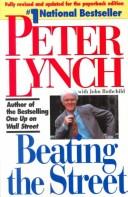 Beating the StreetRecommended
by Peter Lynch
“Read foundational books like Beating the Street by Peter Lynch and The Intelligent Investor to build proper understanding from scratch.”
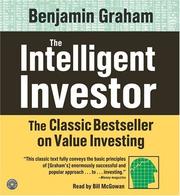 The Intelligent InvestorRecommended
“Read foundational books like Beating the Street by Peter Lynch and The Intelligent Investor to build proper understanding from scratch.”
More from Investing for Beginners
We summarize every new episode. Want them in your inbox?
The Language of Business, Part 1: Accounting Doesn't Have to Suck
AAR72 - Financial Tier List
No Moat, No Problem? What HPE's Moonshot Teaches Value Investors
Path to Confidence Finale: The Habits That Build a Confident Investor
AAR71 - Are You a Financial Green Flag or Red Flag?
Similar Episodes
Related episodes from other podcasts

Odd Lots
Apr 11
The Big Macro Force That's Been Driving Stocks Higher for Years

Huberman Lab
Sep 21
Best Tools for Gut Health & Weight Loss | Dr. Chris Thompson

The Daily (NYT)
Sep 18
The Techno-Religion at the Center of the A.I. Debate

Acquired
Sep 14
The Home Depot

We Study Billionaires
Sep 13
TIP846: Stock Picker: How to Live Off Your Portfolio w/ Ian Cassel
Explore Related Topics
This podcast is featured in Best Investing Podcasts (2026) — ranked and reviewed with AI summaries.
Read this week's Health & Longevity Podcast Insights — cross-podcast analysis updated weekly.
You're clearly into Investing for Beginners.
Every Monday, we deliver AI summaries of the latest episodes from Investing for Beginners and 192+ other podcasts. Free for one show.
Start My Monday DigestNo credit card · Unsubscribe anytime