Sun Tzu and The Art of War
Episode
48 min
Read time
2 min
Topics
Leadership, Software Development, Psychology & Behavior
AI-Generated Summary
Key Takeaways
- ✓Military transformation context: Warfare evolved from small-scale aristocratic chariot battles with honor codes to mass conscript armies of hundreds of thousands using cheaper iron weapons, requiring new strategic thinking beyond traditional valor-based combat approaches that dominated earlier Chinese military culture.
- ✓Deception as core principle: Sun Tzu prioritized winning through misdirection, surprise attacks, and keeping enemies disconcerted rather than direct confrontation. Generals should use the indirect approach—appearing to attack from one direction while striking from another—and conceal true troop numbers to maintain strategic advantage.
- ✓General's absolute authority: Military commanders require complete operational control once appointed, independent of rulers' interference. The famous concubine execution story demonstrates that discipline and coordinated action from trained units matter more than individual heroism, with officers held accountable for troop performance failures.
- ✓Situational analysis over rules: The text teaches strategic thinking frameworks rather than specific tactical instructions, emphasizing continuous assessment of terrain, climate, enemy positions, and changing circumstances. Generals must analyze each unique situation individually to determine optimal responses, making warfare intellectual rather than purely martial.
What It Covers
Sun Tzu's Art of War emerged during China's Warring States period (sixth-fifth century BC) as warfare shifted from aristocratic chariot battles to mass infantry armies, creating demand for strategic military experts who emphasized deception, adaptability, and psychological warfare over heroic combat.
Key Questions Answered
- •Military transformation context: Warfare evolved from small-scale aristocratic chariot battles with honor codes to mass conscript armies of hundreds of thousands using cheaper iron weapons, requiring new strategic thinking beyond traditional valor-based combat approaches that dominated earlier Chinese military culture.
- •Deception as core principle: Sun Tzu prioritized winning through misdirection, surprise attacks, and keeping enemies disconcerted rather than direct confrontation. Generals should use the indirect approach—appearing to attack from one direction while striking from another—and conceal true troop numbers to maintain strategic advantage.
- •General's absolute authority: Military commanders require complete operational control once appointed, independent of rulers' interference. The famous concubine execution story demonstrates that discipline and coordinated action from trained units matter more than individual heroism, with officers held accountable for troop performance failures.
- •Situational analysis over rules: The text teaches strategic thinking frameworks rather than specific tactical instructions, emphasizing continuous assessment of terrain, climate, enemy positions, and changing circumstances. Generals must analyze each unique situation individually to determine optimal responses, making warfare intellectual rather than purely martial.
Notable Moment
The legendary demonstration where Sun Tzu trained palace concubines as soldiers, executing the king's two favorite commanders when they failed to follow orders, established that military authority supersedes royal preferences once a general assumes command—a principle that shaped Chinese military culture for millennia.
Episode Transcript
This BBC podcast is supported by ads outside The UK. Hey, Michigan. Your next adventure starts at Milnes Chevrolet. Whether you're after a dependable truck, a sleek SUV, or an eco friendly car, we've got exactly what you need and at prices you'll love. At Milnes, the price you see is the price you pay. No hidden fees. No surprises. Plus, we'll deliver your dream car right to your front door. Experience world class customer service from a team who truly cares about finding you the perfect ride. Don't wait. Swing by Milne's Chevrolet on M 21 in Imlay City or shop online at milne'schevy.com. Milne's Chevrolet, together let's drive. Stay in the game with Michigan orthopedic surgeons. Whether it's a sprained ankle on the soccer field, a broken bone during football practice, or a weekend pickup game injury, we've got you covered. Our fellowship trained surgeons and advanced practice providers deliver expert care for sports injuries. Same day walk in visits at our urgent ortho clinics in Royal Shelby Township or go to miortho.care to learn more. This is the BBC. Thanks for downloading this episode of In Our Time. There's a reading list to go with it on our website, and you can get news about our programs if you follow us on Twitter at b b c in our time. I hope you enjoy the programs. Hello. Quote, the art of war is vital to the state, a road either to safety or to ruin, end quote. So begins one of the great works of strategy, in particular, military strategy, Britain two and a half thousand years ago in China. According to legend, the author of The Art of War was Sun Tzu, reportedly a general or advisor for the king of Wu in the sixth century BC, near the start of three hundred years of war that ended with the first emperor, he of the Terracotta army fame. The work was embellished for another thousand years and studied not so much for the directions it gave, but for the state of mind it encouraged. And it's influenced leaders from the American civil war, to Mao's long march to the latest war in Iraq, especially the line, all warfare is based on deception. With me to discuss Sun Tzu and the art of war are Tim Barrett, professor emeritus of East Asian history at SOAS, University of London, Hilda de Beert, professor of Chinese history at Leiden University, and Imre Glambos, reader in Chinese studies at the University of Cambridge. Hilda de Beert, whatever its origins, we may get to the point that the art of war emerged when China was in upheaval, fifth century BC. Why was that upheaval, and what was it about? Well, the time period during which, Sun Wu, Sun Tzu, was active is called the period of the warring states, so the sixth and the fifth century BCE. Century BCE. And it was a time of tremendous changes, not only military changes, …
Get the full transcript (8,161 words) + summary by email — free
One-time email with the complete transcript and AI summary of this episode. No account needed.
One email, no spam. We’ll also show you what SignalCast does.

You just read a 3-minute summary of a 45-minute episode.
Get In Our Time summarized like this every Monday — plus up to 2 more podcasts, free.
Pick Your Podcasts — FreeKeep Reading


Books, tools, and gear mentioned in this episode
SignalCast may earn commission on purchases via these links. As an Amazon Associate, SignalCast earns from qualifying purchases.
Books
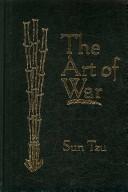 The Art of WarBy guest
by Sun Tzu
“Sun Tzu's Art of War emerged during China's Warring States period (sixth-fifth century BC) as warfare shifted from aristocratic chariot battles to mass infantry armies, creating demand for strategic military experts who emphasized deception, adaptability, and psychological warfare over heroic combat.”
More from In Our Time
We summarize every new episode. Want them in your inbox?
Similar Episodes
Related episodes from other podcasts

Everything Everywhere Daily
Sep 10
The Srivijaya Empire

The Joe Rogan Experience
Aug 26
#2546 - Michael Button
Everything Everywhere Daily
Aug 20
The Florence. Cathedral

Odd Lots
Aug 3
The Tungsten Market Is Warning of an Upcoming War
Everything Everywhere Daily
Jul 8
The Rise and Fall of Feudalism in Medieval Europe
Explore Related Topics
This podcast is featured in Best History Podcasts (2026) — ranked and reviewed with AI summaries.
Read this week's Software Engineering Podcast Insights — cross-podcast analysis updated weekly.
You're clearly into In Our Time.
Every Monday, we deliver AI summaries of the latest episodes from In Our Time and 192+ other podcasts. Free for one show.
Start My Monday DigestNo credit card · Unsubscribe anytime