Dickens (Archive Episode)
Episode
43 min
Read time
2 min
Topics
Career Growth, Science & Discovery, Economics & Policy
AI-Generated Summary
Key Takeaways
- ✓Childhood trauma as creative fuel: Dickens kept secret his father's imprisonment for debt and his own work at age twelve in Warren's Blacking Factory, transforming this shame into powerful fictional portrayals of neglected children and social outcasts throughout his career, from Oliver Twist to Little Dorrit.
- ✓Sanitation advocacy through fiction: Dickens used characters like Joe the crossing sweeper dying of smallpox in Bleak House to expose London's cholera epidemics and slum conditions, directly influencing government sanitation reforms alongside his journalism advocating for decent housing and infrastructure for the poor.
- ✓Political ambivalence strategy: Dickens positioned himself between Benthamite utilitarians and Carlyle's romantic radicalism, attacking both parliamentary inaction and mob revolution. His famous credo stated faith in governing authorities was infinitesimal while faith in ordinary people governed was illimitable, appealing across political divides.
- ✓Reader responsibility technique: Dickens broke narrative convention by directly addressing readers with ethical challenges, as when Joe dies he writes the responsibility rests with you and me whether these conditions continue, compelling middle-class audiences to act rather than passively consume entertainment.
What It Covers
Charles Dickens' social and political impact on Victorian England, examining how his childhood trauma in a blacking factory shaped his portrayal of urban poverty, institutional corruption, and his advocacy for sanitation reform and education for the poor.
Key Questions Answered
- •Childhood trauma as creative fuel: Dickens kept secret his father's imprisonment for debt and his own work at age twelve in Warren's Blacking Factory, transforming this shame into powerful fictional portrayals of neglected children and social outcasts throughout his career, from Oliver Twist to Little Dorrit.
- •Sanitation advocacy through fiction: Dickens used characters like Joe the crossing sweeper dying of smallpox in Bleak House to expose London's cholera epidemics and slum conditions, directly influencing government sanitation reforms alongside his journalism advocating for decent housing and infrastructure for the poor.
- •Political ambivalence strategy: Dickens positioned himself between Benthamite utilitarians and Carlyle's romantic radicalism, attacking both parliamentary inaction and mob revolution. His famous credo stated faith in governing authorities was infinitesimal while faith in ordinary people governed was illimitable, appealing across political divides.
- •Reader responsibility technique: Dickens broke narrative convention by directly addressing readers with ethical challenges, as when Joe dies he writes the responsibility rests with you and me whether these conditions continue, compelling middle-class audiences to act rather than passively consume entertainment.
Notable Moment
Dickens resented his mother most intensely for wanting him returned to the blacking factory after briefly escaping, carrying this wound secretly throughout his life while publicly transforming it into displaced fictional forms like burning down a gothic mansion called The Warren in Barnaby Rudge.
Episode Transcript
This BBC podcast is supported by ads outside The UK. The best b to b marketing gets wasted on the wrong people. So when you want to reach the right professionals, use LinkedIn ads. LinkedIn has grown to a network of over 1,000,000,000 professionals, including 130,000,000 decision makers, and that's where it stands apart from other ad buys. You can target your buyers by job title, industry, company, roles, seniority, skills, company revenue, so you can stop wasting budget on the wrong audience. It's why LinkedIn ads generates the highest b to b return on ad spend of major ad networks. Spend $250 on your first campaign on LinkedIn ads and get $250 credit for the next one. Just go to linkedin.com/broadcast. That's linkedin.com/broadcast. Terms and conditions apply. Ready to change your life for just $2 a day? Orangetheory Fitness delivers one hour workouts that combine strength and cardio to help you burn fat, build muscle, and feel unstoppable. Right now, get a full month of unlimited classes for just $62. Don't wait. This offer ends soon. Visit orangetheory.com or your local studio and start your transformation today. Offer ends 01/31/2026. New members only. Premier membership performance monitor. A monthly billing required. Discount applies to first month only. Other terms apply. See studio for details. Wasn't that delicious? So good. Your bill, ladies? I got it. No. I got it. Seriously, I insist. I insist at first. I'm gonna be silly. You'll not be silly. People with the Wells Fargo active cash credit card prefer to pay because they earn unlimited 2% cash rewards on purchases. Okay. Rock, paper, scissors for it. Rock, paper, scissors for shoot. No. The Wells Fargo active cash credit card. Visit wellsfargo.com/activecash. Terms apply. To celebrate Melvin Bragg's twenty seven years presenting In Our Time, some well known fans of the program have chosen their favorite episodes. Here's the singer Joan Armatrading. First of all, I'd just like to pay tribute to Melvin Bragg. Like John Nettles, he has that voice that really draws you in. I love how he has lots of knowledge and gives you lots of information, but you never feel as if you're being lectured at. And I always feel that when I listen to him or whatever program he's doing, I always feel as if I'm getting, like, a proper education. I've followed in our time for quite a number of years. I can't tell you all the different episodes that I that I've listened to. But I always feel as if I've had an education when I listen to them. So he's going to be somebody who's gonna be very, very missed. I love Charles Dickens. When I was younger, I read a lot of Charles Dickens novels. And my favorite of those is Hard Times. I love Hard Times. One of the reasons I love Hard Times is because of mister Gradgrind who didn't want the pupils to look out of the window and dream. Little did he …
Get the full transcript (8,743 words) + summary by email — free
One-time email with the complete transcript and AI summary of this episode. No account needed.
One email, no spam. We’ll also show you what SignalCast does.

You just read a 3-minute summary of a 40-minute episode.
Get In Our Time summarized like this every Monday — plus up to 2 more podcasts, free.
Pick Your Podcasts — FreeKeep Reading


Books, tools, and gear mentioned in this episode
SignalCast may earn commission on purchases via these links. As an Amazon Associate, SignalCast earns from qualifying purchases.
Books
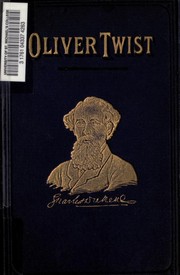
by Charles Dickens
“transforming this shame into powerful fictional portrayals of neglected children and social outcasts throughout his career, from Oliver Twist to Little Dorrit.”
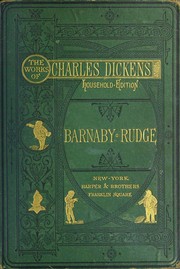
by Charles Dickens
“Dickens resented his mother most intensely for wanting him returned to the blacking factory after briefly escaping, carrying this wound secretly throughout his life while publicly transforming it into displaced fictional forms like burning down a gothic mansion called The Warren in Barnaby Rudge.”

by Charles Dickens
“transforming this shame into powerful fictional portrayals of neglected children and social outcasts throughout his career, from Oliver Twist to Little Dorrit.”
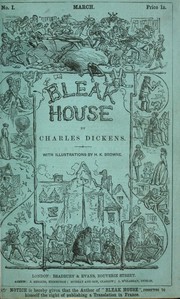
by Charles Dickens
“Dickens used characters like Joe the crossing sweeper dying of smallpox in Bleak House to expose London's cholera epidemics and slum conditions”
More from In Our Time
We summarize every new episode. Want them in your inbox?
Similar Episodes
Related episodes from other podcasts

The Daily (NYT)
Aug 26
The Stunning Rise of the Democratic Socialists of America

The Joe Rogan Experience
Aug 19
#2542 - Steve Hilton

The Ezra Klein Show
Jun 2
Ian Bremmer on the Risks America Poses to the World
The Joe Rogan Experience
Feb 17
#2455 - Donnell Rawlings

What Bitcoin Did
Jan 28
#142 – Andrew Gold – The Incentives Driving Radicalisation on Both Sides
Explore Related Topics
This podcast is featured in Best History Podcasts (2026) — ranked and reviewed with AI summaries.
You're clearly into In Our Time.
Every Monday, we deliver AI summaries of the latest episodes from In Our Time and 192+ other podcasts. Free for one show.
Start My Monday DigestNo credit card · Unsubscribe anytime