Aristotle's Nicomachean Ethics
Episode
52 min
Read time
2 min
Topics
Crypto & Web3, Psychology & Behavior, Philosophy & Wisdom
AI-Generated Summary
Key Takeaways
- ✓The Doctrine of the Mean: Virtue exists as the right balance between excess and deficiency in feelings and actions, relative to individual circumstances. Generosity means giving the right amount to the right people at the right time, avoiding both stinginess and wastefulness through practical wisdom.
- ✓Habituation Builds Character: Virtue develops through repeated correct actions until understanding follows. Young people must practice virtuous behavior consistently to train their feelings and attitudes, though character becomes difficult to change after a certain age, requiring lifelong actualization of rational potential.
- ✓Complete Friendship as Necessity: Character-based friendships between virtuous people are essential for eudaimonia, not optional. Friends serve as another self, helping deliberate difficult decisions together. Their actions reflect shared reasoning, making friends necessary for developing and exercising virtue effectively.
- ✓Practical Versus Contemplative Wisdom: Most of ethics concerns phronesis (practical wisdom for navigating particular situations), but Book 10 elevates theoria (contemplation of eternal truths) as superior because it imitates divine thought. This tension between transcending human limits versus perfecting human excellence remains unresolved.
What It Covers
Aristotle's Nicomachean Ethics explores eudaimonia (human flourishing) through virtue and practical wisdom. Written 2,500 years ago as lecture notes, it examines how rational excellence, habituation, friendship, and the doctrine of the mean create the good life.
Key Questions Answered
- •The Doctrine of the Mean: Virtue exists as the right balance between excess and deficiency in feelings and actions, relative to individual circumstances. Generosity means giving the right amount to the right people at the right time, avoiding both stinginess and wastefulness through practical wisdom.
- •Habituation Builds Character: Virtue develops through repeated correct actions until understanding follows. Young people must practice virtuous behavior consistently to train their feelings and attitudes, though character becomes difficult to change after a certain age, requiring lifelong actualization of rational potential.
- •Complete Friendship as Necessity: Character-based friendships between virtuous people are essential for eudaimonia, not optional. Friends serve as another self, helping deliberate difficult decisions together. Their actions reflect shared reasoning, making friends necessary for developing and exercising virtue effectively.
- •Practical Versus Contemplative Wisdom: Most of ethics concerns phronesis (practical wisdom for navigating particular situations), but Book 10 elevates theoria (contemplation of eternal truths) as superior because it imitates divine thought. This tension between transcending human limits versus perfecting human excellence remains unresolved.
Notable Moment
Aristotle argues that vicious people do not experience true pleasure when harming others, similar to someone with a fever tasting bitterness in lemonade. He claims their perception is distorted, making pleasure objective rather than subjective, challenging modern intuitions about personal experience.
Episode Transcript
This BBC podcast is supported by ads outside The UK. Okay. Only 10 more presents to wrap. You're almost at the finish line. But first There. The last one. Enjoy a Coca Cola for a pause that refreshes. Start your journey toward the perfect engagement ring with Yadav, family owned and operated since 1983. We'll pair you with a dedicated expert for a personalized one on one experience. You'll explore our curated selection of diamonds and gemstones while learning key characteristics to help you make a confident, informed decision. Choose from our signature styles or opt for a fully custom design crafted around you. Visit yadajewelry.com and book your appointment today at our new Union Square showroom and mention podcast for an exclusive discount. BBC Sounds, music, radio, podcasts. This is In Our Time from BBC Radio four, and this is one of more than a thousand episodes you can find on BBC Sounds and on our website. If you scroll down the page for this edition, you find a reading list to go with it. I hope you enjoy the program. Hello. What is happiness, and how do we live a good life? Those are questions posed by Aristotle two and a half thousand years ago in what became known as the Nicomachean Ethics. His audience then were the elite in Athens as if they knew how to lead their lives well, they could better rule the lives of others. And his approach to answering these questions has fascinated philosophers ever since in very different times. With me to discuss Aristotle's Nicomachean Ethics are Sofia Connell, senior lecturer in philosophy at Birkbeck University of London, Roger Crisp, director of the Oxford UHERO Centre for Practical Ethics, professor of moral philosophy and tutor in philosophy at St. Anne's College University of Oxford, and Angie Holmes, professor of the public understanding of philosophy at the University of Sheffield. Angie Hobbes, who was Aristotle, and what was his reputation in Athens? Aristotle was born in March in Stigira in Northern Greece. His father was the doctor at the court of the Macedonian kings. He was a best friend of Amyntas the second who was grandfather of Alexander the Great. And Aristotle seems to have inherited his father's love of biology. When he was 17, Aristotle comes to Athens to study with Plato at the academy, and he stays there for twenty years. And he's hugely respected within the academy. Even though he and Plato disagree on quite a few things, they're they're close friends, and Plato has a lot of respect for him. And he becomes far more than a student. He becomes a a major researcher and in charge of the library there. Then when Plato dies in March, there's a wave of anti Macedonian feeling in Athens because of the rise of the Macedonian empire. And, Aristotle feels that it's prudent to to leave, and he goes off for about five years in Assos, Assos, in on the coast of …
Get the full transcript (9,250 words) + summary by email — free
One-time email with the complete transcript and AI summary of this episode. No account needed.
One email, no spam. We’ll also show you what SignalCast does.

You just read a 3-minute summary of a 49-minute episode.
Get In Our Time summarized like this every Monday — plus up to 2 more podcasts, free.
Pick Your Podcasts — FreeKeep Reading


Books, tools, and gear mentioned in this episode
SignalCast may earn commission on purchases via these links. As an Amazon Associate, SignalCast earns from qualifying purchases.
Books
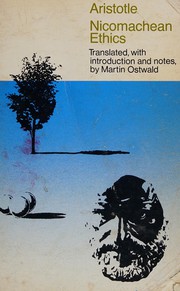 Nicomachean EthicsBy guest
by Aristotle
“Aristotle's Nicomachean Ethics explores eudaimonia (human flourishing) through virtue and practical wisdom. Written 2,500 years ago as lecture notes, it examines how rational excellence, habituation, friendship, and the doctrine of the mean create the good life.”
More from In Our Time
We summarize every new episode. Want them in your inbox?
Similar Episodes
Related episodes from other podcasts

TED Radio Hour
Apr 17
Using ancient philosophy to cope with your modern problems

The Partially Examined Life
Dec 15
Ep. 381: Aquinas on Ethical Psychology (Part Two)
The Partially Examined Life
Jun 23
Ep. 369: Philippa Foot's Naturalistic Ethics (Part Two)
The Partially Examined Life
Jun 16
Ep. 369: Philippa Foot's Naturalistic Ethics (Part One)

10% Happier with Dan Harris
Oct 19
A Stoic Mantra For Your Sh*ttiest Moments (And Other Ancient Wisdom That Holds Up) | Jonathan Haidt
Explore Related Topics
This podcast is featured in Best History Podcasts (2026) — ranked and reviewed with AI summaries.
You're clearly into In Our Time.
Every Monday, we deliver AI summaries of the latest episodes from In Our Time and 192+ other podcasts. Free for one show.
Start My Monday DigestNo credit card · Unsubscribe anytime