Sun Bum: Tom Rinks. The Secrets of a Master Brand Builder (2023)
Episode
75 min
Read time
3 min
Topics
Startups, Leadership, Design & UX
AI-Generated Summary
Key Takeaways
- ✓Brand design over price: A 2013 Psychological Science study found consumers choose products based on design before price when two similar items compete. Rinks applied this by spending over a year designing Sun Bum's packaging before launch — wood-grain bottle, yellow-brown palette, and a bold gorilla mascot — ensuring the product stood out visually against legacy brands like Coppertone and Hawaiian Tropic.
- ✓The Elvis Principle for brand personality: Rinks uses a framework he calls the Elvis Principle — combining contrasting traits like edginess and wholesomeness to create a compelling brand personality. Elvis became acceptable to conservative parents after releasing gospel music despite his provocative image. Brands built on this juxtaposition of opposing qualities generate broader appeal and longer cultural staying power than single-note identities.
- ✓Mascots outlast founders and celebrities: Rinks deliberately chose an animal mascot over a human spokesperson because characters like the Budweiser frogs, Energizer Bunny, and Mickey Mouse never age, get arrested, or lose relevance. A strong mascot can anchor a brand indefinitely. Sun Bum's gorilla "Sunny" was designed to stand alongside Nike's swoosh and Apple's logo as a standalone recognizable mark without any accompanying text.
- ✓Force wide distribution through bundled displays: Sun Bum's early retail strategy prohibited cherry-picking — retailers had to purchase the full display package including footballs, frisbees, t-shirts, a gorilla figure, and sunscreen bottles in a custom IKEA bookcase unit. This made the brand appear larger and more established than it was, drew foot traffic, and prevented the product from being buried on shelves among competitors.
- ✓Know when to hand off the CEO role: Rinks cites a Harvard business model warning that creative founders typically plateau around year three as operational demands exceed their skills. He proactively recruited Adam Francis, a former pro surfer with a Harvard MBA, as CEO around year three or four. Rinks stepped aside entirely, crediting this decision as essential to Sun Bum reaching $70 million in annual revenue before its $400 million acquisition by SC Johnson.
What It Covers
Tom Rinks, the designer behind Sun Bum sunscreen, built a $400 million brand using deliberate design principles, a wood-grain bottle, and a gorilla mascot. This episode traces his path from furniture sales to Psycho Chihuahua t-shirts, a landmark $42 million lawsuit against Taco Bell, and ultimately creating one of the most recognizable sunscreen brands in the market.
Key Questions Answered
- •Brand design over price: A 2013 Psychological Science study found consumers choose products based on design before price when two similar items compete. Rinks applied this by spending over a year designing Sun Bum's packaging before launch — wood-grain bottle, yellow-brown palette, and a bold gorilla mascot — ensuring the product stood out visually against legacy brands like Coppertone and Hawaiian Tropic.
- •The Elvis Principle for brand personality: Rinks uses a framework he calls the Elvis Principle — combining contrasting traits like edginess and wholesomeness to create a compelling brand personality. Elvis became acceptable to conservative parents after releasing gospel music despite his provocative image. Brands built on this juxtaposition of opposing qualities generate broader appeal and longer cultural staying power than single-note identities.
- •Mascots outlast founders and celebrities: Rinks deliberately chose an animal mascot over a human spokesperson because characters like the Budweiser frogs, Energizer Bunny, and Mickey Mouse never age, get arrested, or lose relevance. A strong mascot can anchor a brand indefinitely. Sun Bum's gorilla "Sunny" was designed to stand alongside Nike's swoosh and Apple's logo as a standalone recognizable mark without any accompanying text.
- •Force wide distribution through bundled displays: Sun Bum's early retail strategy prohibited cherry-picking — retailers had to purchase the full display package including footballs, frisbees, t-shirts, a gorilla figure, and sunscreen bottles in a custom IKEA bookcase unit. This made the brand appear larger and more established than it was, drew foot traffic, and prevented the product from being buried on shelves among competitors.
- •Know when to hand off the CEO role: Rinks cites a Harvard business model warning that creative founders typically plateau around year three as operational demands exceed their skills. He proactively recruited Adam Francis, a former pro surfer with a Harvard MBA, as CEO around year three or four. Rinks stepped aside entirely, crediting this decision as essential to Sun Bum reaching $70 million in annual revenue before its $400 million acquisition by SC Johnson.
- •Name your brand after what it does: Rinks argues brand names that contain the product category have a structural advantage. Sun Bum includes "sun," which no major competitor used at the time. He compares this to Drano, Home Depot, and Office Depot — names that communicate function instantly. When evaluating a new brand name, test whether a consumer can identify the product category from the name alone before any marketing runs.
Notable Moment
After five years of litigation and Taco Bell offering a multi-million dollar settlement moments before the trial began, Rinks rejected it on the advice of his lawyers. The jury ultimately ruled in his favor on all counts, awarding over $42 million — though after legal fees, agent commissions, taxes, and splitting with his partner, the actual take-home was closer to $5–6 million.
Episode Transcript
Seeing your business idea come to life is exciting, but it's also incredibly complex. But Shopify can make it simple. They provide all the tools you need to launch from day one. If you're nervous about building a website, Shopify's templates and AI tools will get you up and running with no coding needed. If you hit a wall in the setup process, Shopify's built in AI assistant, Sidekick, can help you build, troubleshoot, and keep on moving. And when customers arrive, boom. Shopify checkout means more people actually buy and can check out with just one click. With Shopify to handle setup and checkout, you have more time to focus on growing your business. That's why Shopify powers millions of businesses worldwide. From From household names like Gymshark and Mattel to businesses that are just getting started. All you need is the idea. Shopify handles the rest. Start your free trial at shopify.com/built. That's shopify.com/built. Shopify.com/built. You may have heard the best voice in show business, Morgan Freeman, talking about a serious and under diagnosed heart condition that's often missed. ATTR cardiac amyloidosis or ATTR Centimeters. It's a condition that can greatly disrupt your life with symptoms like severe fatigue, shortness of breath, and carpal tunnel. If left untreated, a t t r c m may become serious leading to a shorter lifespan. A Truby helps adults with a t t r c m live longer and have fewer hospitalizations due to heart issues so you can focus more on living for what you love. Tell your doctor if you're pregnant, plan to become pregnant, or are breastfeeding, and about the medications you take. The most common side effects were mild and included diarrhea and abdominal pain. If you have a t t r c m, talk to your cardiologist about Atrubi and visit atrubi.com/podcast. That's attruby.com/podcast to learn more. It's time to get busy living, brought to you by BridgeBio. Every day, shareholders meet to discuss important matters about the companies you invest in. Now Vanguard is making it easy to have your voice heard in those decisions. Alexa, take me to Vanguard Investor Choice. Got it. Texting you a link where you can set your proxy voting preference for your Vanguard index funds and be heard by the companies you invest in. Just say, Alexa, take me to Vanguard Investor Choice and make your voice heard. Vanguard investors own shares of our index funds, which own shares of the companies they invest in. Available for Vanguard index funds that participate in investor choice. Vanguard marketing corporation distributor. Hey, everyone. So this week, we're revisiting one of our absolute favorite episodes from the archive. It's my conversation with Tom Rinks. He's the founder of Sunbomb, the suntan lotion brand. And it is such a fun story with so many surprises. I highly recommend this one. This episode first ran in March 2023, and I hope you enjoy it. Cocoa Beach just sounded like a good place for a …
Get the full transcript (15,991 words) + summary by email — free
One-time email with the complete transcript and AI summary of this episode. No account needed.
One email, no spam. We’ll also show you what SignalCast does.

You just read a 3-minute summary of a 72-minute episode.
Get How I Built This summarized like this every Monday — plus up to 2 more podcasts, free.
Pick Your Podcasts — FreeKeep Reading
More from How I Built This
Advice Line with Nick Green of Thrive Market
Oct 8 · 44 min

Stuff You Should Know
Who was Robert Maxwell?l
Aug 13
More from How I Built This
10 Years of How I Built This: A Decade of Innovation, Risk and Reinvention
Oct 5 · 70 min

The Rich Roll Podcast
Michelle Khare Is The Tom Cruise Of YouTube: How Anxiety Became Her Superpower
Jul 27
Books, tools, and gear mentioned in this episode
SignalCast may earn commission on purchases via these links. As an Amazon Associate, SignalCast earns from qualifying purchases.
Books
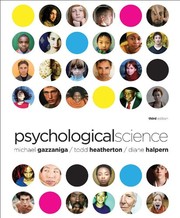
“A 2013 Psychological Science study found consumers choose products based on design before price when two similar items compete.”
Tools
Products
company
“characters like the Budweiser frogs, Energizer Bunny, and Mickey Mouse never age, get arrested, or lose relevance.”
“Sun Bum's gorilla "Sunny" was designed to stand alongside Nike's swoosh and Apple's logo as a standalone recognizable mark.”
“Tom Rinks, the designer behind Sun Bum sunscreen, built a $400 million brand using deliberate design principles, a wood-grain bottle, and a gorilla mascot.”
“the product stood out visually against legacy brands like Coppertone and Hawaiian Tropic.”
“a landmark $42 million lawsuit against Taco Bell”
“He compares this to Drano, Home Depot, and Office Depot — names that communicate function instantly.”
“He compares this to Drano, Home Depot, and Office Depot — names that communicate function instantly.”
“retailers had to purchase the full display package including footballs, frisbees, t-shirts, a gorilla figure, and sunscreen bottles in a custom IKEA bookcase unit.”
More from How I Built This
We summarize every new episode. Want them in your inbox?
Advice Line with Nick Green of Thrive Market
10 Years of How I Built This: A Decade of Innovation, Risk and Reinvention
Advice Line with Scott Tannen of Boll & Branch and Jamie Siminoff of Ring (2025)
Seventh Generation: Alan Newman and Jeffrey Hollender. A Partnership that Flourished—until it Failed. (2021)
Advice Line with Danny Meyer of Shake Shack
Similar Episodes
Related episodes from other podcasts

Stuff You Should Know
Aug 13
Who was Robert Maxwell?l

The Rich Roll Podcast
Jul 27
Michelle Khare Is The Tom Cruise Of YouTube: How Anxiety Became Her Superpower

The School of Greatness
Jul 17
The 3 AM Truth That Cost Him $14.5 Million | Matthew McConaughey

The Daily (NYT)
May 8
The Resurrection of Michael Jackson

How I AI
May 4
The internal AI tool that’s transforming how Stripe designs products | Owen Williams
Explore Related Topics
This podcast is featured in Best Business Podcasts (2026) — ranked and reviewed with AI summaries.
Read this week's Startups & Product Podcast Insights — cross-podcast analysis updated weekly.
You're clearly into How I Built This.
Every Monday, we deliver AI summaries of the latest episodes from How I Built This and 192+ other podcasts. Free for one show.
Start My Monday DigestNo credit card · Unsubscribe anytime