Late-Cycle Investment Theory: Foundations for the Coming Decade | Nicolas Colin
Episode
48 min
Read time
2 min
Topics
Productivity, Investing, Fundraising & VC
AI-Generated Summary
Key Takeaways
- ✓Technological Revolution Phases: Carlota Perez identifies five historical technological revolutions, each with four phases: eruption, frenzy, synergy, and maturity. The computing and networks era began in 1971 with Intel's microprocessor invention and now shows clear maturity phase characteristics.
- ✓Market Concentration Signal: Stock market concentration in seven dominant tech companies mirrors the Nifty Fifty phenomenon of the late 1960s, indicating winners have emerged and secured positions. This concentration prompts investors to seek returns elsewhere as capital piles into same stocks.
- ✓Financial System Reset Pattern: Financial systems are the last infrastructure to transform in technological revolutions. The 1971 Nixon shock ended Bretton Woods constraints, enabling fifteen years of financial market reinvention that supported thirty more years of economic growth until the 2008 crisis.
- ✓AI as Continuity: ChatGPT's rapid market adoption and quick replication by Meta and Google within three months demonstrates AI represents deepening of existing computing and networks paradigm rather than radical innovation requiring complete mental model restart like venture capitalists often assume.
What It Covers
Nicolas Colin argues markets show signs of entering the maturity phase of the computing and networks revolution, using Carlota Perez's framework to explain why AI represents intensification rather than disruption.
Key Questions Answered
- •Technological Revolution Phases: Carlota Perez identifies five historical technological revolutions, each with four phases: eruption, frenzy, synergy, and maturity. The computing and networks era began in 1971 with Intel's microprocessor invention and now shows clear maturity phase characteristics.
- •Market Concentration Signal: Stock market concentration in seven dominant tech companies mirrors the Nifty Fifty phenomenon of the late 1960s, indicating winners have emerged and secured positions. This concentration prompts investors to seek returns elsewhere as capital piles into same stocks.
- •Financial System Reset Pattern: Financial systems are the last infrastructure to transform in technological revolutions. The 1971 Nixon shock ended Bretton Woods constraints, enabling fifteen years of financial market reinvention that supported thirty more years of economic growth until the 2008 crisis.
- •AI as Continuity: ChatGPT's rapid market adoption and quick replication by Meta and Google within three months demonstrates AI represents deepening of existing computing and networks paradigm rather than radical innovation requiring complete mental model restart like venture capitalists often assume.
Notable Moment
Colin describes how Ray Dalio expected market collapse after Nixon disconnected the dollar from gold in 1971, but stocks surged instead because removing the gold standard constraint freed capital to flow more easily toward various assets.
Episode Transcript
What's up, everybody? My name is Demetri Kofinas, and you're listening to Hidden Forces, a podcast that inspires investors, entrepreneurs, and everyday citizens to challenge consensus narratives and learn how to think critically about the systems of power shaping our world. My guest in this episode of Hidden Forces is Nicolas Collin, a former French official and the cofounder of a European startup accelerator whose work sits at the intersection of technology, markets, geopolitics, Carlota Perez's model of technological revolutions and techno economic paradigms, explore the role of speculative manias and market concentration, and examine why Nikola thinks AI is less a brand new technological revolution than an intensification of a computing and network paradigm that has been unfolding for the last fifty years. We also compare the current moment to the 1970s as a historical analog and discuss why he believes financial systems are often the last piece to be rebuilt after a major paradigm shift. In the second hour, we explore what this late cycle thesis means for investors, the public, and the geostrategic competition between The United States and China. We talk about how tokenization and programmable money could reshape the plumbing of the global financial system and how today's Trump shock might be the opening move in a broader financial reset. We also discussed what financial fragmentation between two competing spheres, one led by China and one led by The US, may look like in practice, why programmable grid infrastructure and a new scale of electrification may be the primary candidates for the next technological revolution, and what all of this means for public debt servicing, inflation, financial repression, and wealth redistribution as Proximity Services replace the factory floor as the central battleground over which a new social contract will be formed. If you want access to all of this conversation, go to hiddenforces.io/subscribe and join our premium feed, which you can listen to on your mobile device using your favorite podcast app just like you're listening to this episode right now. If you wanna join in on the conversation and become a member of the Hidden Forces genius community, which includes q and a calls with guests, discounted access to third party research and analysis, and in person events like our intimate dinners and weekend retreats. You can also do that on our subscriber page. And if you still have questions, feel free to send an email to info@hiddenforces.io, and I or someone from our team will get right back to you. Lastly, because this conversation deals with investing, nothing we say on this podcast can or should be viewed as financial advice. All opinions expressed by me and my guests are solely our own opinions and should not be relied upon as the basis for financial decisions. And with that, please enjoy this immensely interesting and valuable conversation with my guest, Nicolas Colon. Nicolas Colon, welcome to Hidden Forces. Thank you. Very glad to be here. It's It's exciting to have you on, Nicola. …
Get the full transcript (7,574 words) + summary by email — free
One-time email with the complete transcript and AI summary of this episode. No account needed.
One email, no spam. We’ll also show you what SignalCast does.

You just read a 3-minute summary of a 45-minute episode.
Get Hidden Forces summarized like this every Monday — plus up to 2 more podcasts, free.
Pick Your Podcasts — FreeKeep Reading
More from Hidden Forces
Are Rumors of an Imminent Russian Attack Warranted? | Yaroslav Trofimov
Sep 7 · 49 min

The Diary of a CEO
The Man Who Calls BS On AI: AI Is The World’s Greatest SCAM, And They All Know It! | Ed Zitron
Aug 27
More from Hidden Forces
Bessent's Wager and Why the World is Calling America's Bluff | Henry Farrell
Aug 31 · 51 min
The Diary of a CEO
Ray Dalio: I Predicted The 2008 Crash, I Know What Comes Next
Jul 30
Books, tools, and gear mentioned in this episode
SignalCast may earn commission on purchases via these links. As an Amazon Associate, SignalCast earns from qualifying purchases.
Books
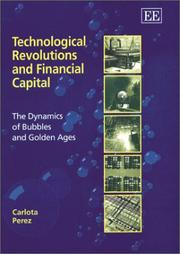
by Carlota Perez
“Carlota Perez identifies five historical technological revolutions, each with four phases: eruption, frenzy, synergy, and maturity... using Carlota Perez's framework to explain why AI represents intensification rather than disruption.”
More from Hidden Forces
We summarize every new episode. Want them in your inbox?
Are Rumors of an Imminent Russian Attack Warranted? | Yaroslav Trofimov
Bessent's Wager and Why the World is Calling America's Bluff | Henry Farrell
The West's Forgotten War and the New Russia | Mark Galeotti
The Internet Will Die and So Will You | John West
The AI Enshittification Bubble | Cory Doctorow
Similar Episodes
Related episodes from other podcasts

The Diary of a CEO
Aug 27
The Man Who Calls BS On AI: AI Is The World’s Greatest SCAM, And They All Know It! | Ed Zitron
The Diary of a CEO
Jul 30
Ray Dalio: I Predicted The 2008 Crash, I Know What Comes Next

Up First (NPR)
Jun 18
Trump Signs Initial Deal With Iran, Trump Withholds DNI Nominee, Trump Approval Poll

The Prof G Pod
May 13
Why Markets Don't Panic Anymore + How to Build Real Relationships at Work

The AI Breakdown
May 4
Is AI Doom Going Out of Style?
Explore Related Topics
This podcast is featured in Best Finance Podcasts (2026) — ranked and reviewed with AI summaries.
Read this week's Investing & Markets Podcast Insights — cross-podcast analysis updated weekly.
You're clearly into Hidden Forces.
Every Monday, we deliver AI summaries of the latest episodes from Hidden Forces and 192+ other podcasts. Free for one show.
Start My Monday DigestNo credit card · Unsubscribe anytime