Episode 150 — Round Numbers
Episode
63 min
Read time
2 min
Topics
Product & Tech Trends, Science & Discovery
AI-Generated Summary
What It Covers
Ben Thompson and James Allworth examine Clayton Christensen's disruption theory, distinguishing between low-end and new-market disruption while analyzing Apple's integration strategy versus Amazon's modular approach.
Notable Moment
Thompson reveals his realization that user experience expectations never plateau but continuously increase in parallel with improvements, fundamentally challenging the traditional disruption model's assumption about consumer satisfaction limits.

You just read a 3-minute summary of a 60-minute episode.
Get Exponent summarized like this every Monday — plus up to 2 more podcasts, free.
Pick Your Podcasts — FreeKeep Reading
More from Exponent
Episode 197 — ChatGPT (at Normal Speed)
Dec 9 · 65 min

Invest Like the Best with Patrick O'Shaughnessy
Ben Thompson on Big Tech, China, and the AI Boom Running Out of Money - [Invest Like the Best, EP.487]
Aug 18
More from Exponent
Episode 196 — Forecasting the Metaverse
Nov 5 · 74 min

Odd Lots
Hollywood Was Cooked Before AI, and Now It's Only Getting Worse
Sep 25
Books, tools, and gear mentioned in this episode
SignalCast may earn commission on purchases via these links. As an Amazon Associate, SignalCast earns from qualifying purchases.
Books
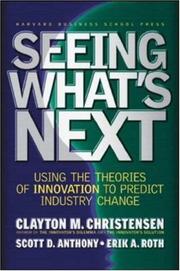
by Clayton Christensen
“Ben Thompson and James Allworth examine Clayton Christensen's disruption theory, distinguishing between low-end and new-market disruption while analyzing Apple's integration strategy versus Amazon's modular approach.”
More from Exponent
We summarize every new episode. Want them in your inbox?
Similar Episodes
Related episodes from other podcasts

Invest Like the Best with Patrick O'Shaughnessy
Aug 18
Ben Thompson on Big Tech, China, and the AI Boom Running Out of Money - [Invest Like the Best, EP.487]

Odd Lots
Sep 25
Hollywood Was Cooked Before AI, and Now It's Only Getting Worse

Stuff You Should Know
Sep 18
SYSK Gets Weird Playlist: What was the Philadelphia Experiment?

The Prof G Pod
Sep 14
The Case for Prenups, and Why Young People Aren’t Getting Married — ft. James Sexton
The Prof G Pod
Sep 11
The Week: AI Is Getting Smarter. Are We?
Explore Related Topics
This podcast is featured in Best Tech Podcasts (2026) — ranked and reviewed with AI summaries.
You're clearly into Exponent.
Every Monday, we deliver AI summaries of the latest episodes from Exponent and 192+ other podcasts. Free for one show.
Start My Monday DigestNo credit card · Unsubscribe anytime