Top Five Regrets of the Dying (Book Club with Frank Vasquez and Ginger) | Ep 574
Episode
77 min
Read time
3 min
Topics
Career Growth, Productivity, Health & Wellness
AI-Generated Summary
Key Takeaways
- ✓Living Authentically vs. Expectations: Many dying patients regret following family or societal expectations instead of pursuing their true passions, like becoming an artist instead of a lawyer. Financial independence provides the opportunity to pursue creative endeavors without monetizing them. The key is reflecting on childhood interests and having courage to tell people around you what you actually want to do, even if it means not being the best performer or earning money from it.
- ✓Career Prioritization Costs: Working excessively, particularly common among baby boomers in professions like law and medicine, leads to strained relationships and estrangement from children. One practical strategy is blocking out family activities and children's events on work calendars first, making them non-negotiable commitments. The critical decision point comes when choosing whether to keep climbing the career ladder or consciously limiting career growth to preserve time for relationships and other life priorities.
- ✓Relationship Investment Strategy: Real friendships form through vulnerability and helping with problems, not through accumulating acquaintances or social media followers. The process requires joining organizations based on interests, then responding when someone makes themselves vulnerable by asking for help. For those who have reached financial independence, never use cost as an excuse to decline relationship opportunities—prioritize spending money on trips, events, or activities with friends and family over budget optimization.
- ✓Identity Beyond Saving: Defining yourself as a saver creates problems when it no longer makes sense to save aggressively. Families where wealthy parents hide their wealth from adult children to teach them lessons often create resentment when children discover the truth at age 40. Better identities center on relationships and creativity rather than financial behaviors or professional titles. Consider spending at least your guaranteed income level rather than remaining content with less.
- ✓Making Friendship Bids: Building new friendships as adults requires actively making and accepting bids for connection—small gestures like sharing book recommendations or inviting someone to an activity. The vulnerability comes from risking rejection, but friendships deepen when one person has a problem and another helps solve it. This applies whether joining new organizations after retirement or deepening existing relationships by showing you notice shared interests and taking time to act on them.
What It Covers
Ginger and Frank Vasquez examine Bronnie Ware's book on the five most common regrets expressed by dying patients in palliative care. They explore how understanding these regrets—living authentically, working less, expressing feelings, maintaining relationships, and choosing happiness—can help people in the financial independence community make better life decisions before reaching end of life.
Key Questions Answered
- •Living Authentically vs. Expectations: Many dying patients regret following family or societal expectations instead of pursuing their true passions, like becoming an artist instead of a lawyer. Financial independence provides the opportunity to pursue creative endeavors without monetizing them. The key is reflecting on childhood interests and having courage to tell people around you what you actually want to do, even if it means not being the best performer or earning money from it.
- •Career Prioritization Costs: Working excessively, particularly common among baby boomers in professions like law and medicine, leads to strained relationships and estrangement from children. One practical strategy is blocking out family activities and children's events on work calendars first, making them non-negotiable commitments. The critical decision point comes when choosing whether to keep climbing the career ladder or consciously limiting career growth to preserve time for relationships and other life priorities.
- •Relationship Investment Strategy: Real friendships form through vulnerability and helping with problems, not through accumulating acquaintances or social media followers. The process requires joining organizations based on interests, then responding when someone makes themselves vulnerable by asking for help. For those who have reached financial independence, never use cost as an excuse to decline relationship opportunities—prioritize spending money on trips, events, or activities with friends and family over budget optimization.
- •Identity Beyond Saving: Defining yourself as a saver creates problems when it no longer makes sense to save aggressively. Families where wealthy parents hide their wealth from adult children to teach them lessons often create resentment when children discover the truth at age 40. Better identities center on relationships and creativity rather than financial behaviors or professional titles. Consider spending at least your guaranteed income level rather than remaining content with less.
- •Making Friendship Bids: Building new friendships as adults requires actively making and accepting bids for connection—small gestures like sharing book recommendations or inviting someone to an activity. The vulnerability comes from risking rejection, but friendships deepen when one person has a problem and another helps solve it. This applies whether joining new organizations after retirement or deepening existing relationships by showing you notice shared interests and taking time to act on them.
- •Present Moment Appreciation: Happiness requires consciously choosing to appreciate ordinary moments—autumn leaves, hot tea, walks with children—rather than constantly future-planning. People who achieve wealth and career success still feel like failures without good relationships. The practice includes giving yourself points for making others laugh daily and recognizing that being too future-focused means missing life as it happens. Death exposure creates healthy urgency to pursue what matters now.
Notable Moment
Frank describes befriending Mamie McCoy, a 90-year-old woman living on Social Security, who felt wealthy not from money but from asking people to bring her things. She spent her final resources planning her funeral exactly as she wanted—shopping for caskets and cemetery plots—achieving contentment by completing what mattered most to her before death, demonstrating intentional living with minimal financial resources.
Episode Transcript
Before we get started, I keep this podcast entirely ad free for two reasons. First, this is a five podcast, and I don't want to promote products that I don't want you to buy in the first place. And second, I really like the clean listening experience of a show where you don't have to fast forward ads. To keep it ad free, all I ask of you as a listener is the next time you open a travel rewards credit card, go to choosefi.com/cards. And with that, onto the show. Hey, everyone, it's Ginger and I am here today with Frank Vasquez of risk parity radio, and we are here to talk about death. Or more specifically, we're going to talk about regret today. And I think regret is interesting for this community and for all humans for a couple reasons, right? One is it's a way for us to understand our lives, right? It helps us to say, here's why I feel this way I did something, and I should have done something else. And understanding that story helps me to reconcile my feelings that I have now. But of course, we can also under stand regret kind of on the back end to say, what do I want to do now, so that I can ensure I'll have more positive feelings in the future, that I won't experience that regret. And I suppose that's a little bit why we would talk about that in this community, right? Because we're all about how can we optimize our lives? How can we live good lives? And part of that is can I avoid the big regrets? Yeah. And this what this is really an example of is what Charlie Munger talks about. If you want to really understand the question, what you should do is invert the question. And often, that's the easier way to get to good answers. So instead of asking, what would be a good life or what would make me happy? Mhmm. Let's talk about what would be a bad life or what would I regret or what would make me unhappy. Mhmm. And oftentimes, that is a much easier way to focus on, you know, if we just get rid of some of these things or get rid of some of these regrets, then it will elevate us to a higher level just by getting rid of the regrets, even if we don't have a clue as to what else is gonna make us happy. Yeah. That makes sense. So for instance, if my question is, how can I retire as early as possible in the happiest way possible? Right? To invert it would be, how could I ensure that I can never retire and that I'm miserable throughout the entire process? Yes. Yeah. So if I don't save any money Yeah. And and if I really make everybody around me really angry by saying mean things to them, you know, it sounds comical, …
Get the full transcript (13,682 words) + summary by email — free
One-time email with the complete transcript and AI summary of this episode. No account needed.
One email, no spam. We’ll also show you what SignalCast does.

You just read a 3-minute summary of a 74-minute episode.
Get ChooseFI summarized like this every Monday — plus up to 2 more podcasts, free.
Pick Your Podcasts — FreeKeep Reading
More from ChooseFI
622 | Before Burnout Makes You Quit, Know About FMLA | Leah Kaylor, Alison & Em
Oct 19 · 69 min

The Vergecast
The AI is in the computer
Oct 9
More from ChooseFI
621 | The Math Says You're Fine. Why Don't You Feel Fine? | Cody Garrett
Oct 12 · 77 min

The Founders Podcast
#434 Sam Walton
Sep 21
Books, tools, and gear mentioned in this episode
SignalCast may earn commission on purchases via these links. As an Amazon Associate, SignalCast earns from qualifying purchases.
Books
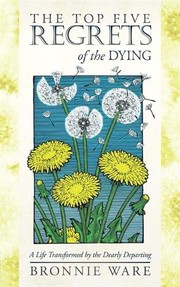 The Top Five Regrets of the DyingRecommended
by Bronnie Ware
“Ginger and Frank Vasquez examine Bronnie Ware's book on the five most common regrets expressed by dying patients in palliative care.”
More from ChooseFI
We summarize every new episode. Want them in your inbox?
622 | Before Burnout Makes You Quit, Know About FMLA | Leah Kaylor, Alison & Em
621 | The Math Says You're Fine. Why Don't You Feel Fine? | Cody Garrett
620 | Book Club: Happy Money — When Is Enough, Enough? | Jillian Johnsrud & Ginger
619 | The Student Loan Rulebook Was Rewritten | Travis Hornsby
618 | You Learned How to Save. Now Learn How to Spend | Jesse Mecham
Similar Episodes
Related episodes from other podcasts


Explore Related Topics
This podcast is featured in Best Finance Podcasts (2026) — ranked and reviewed with AI summaries.
Read this week's Health & Longevity Podcast Insights — cross-podcast analysis updated weekly.
You're clearly into ChooseFI.
Every Monday, we deliver AI summaries of the latest episodes from ChooseFI and 192+ other podcasts. Free for one show.
Start My Monday DigestNo credit card · Unsubscribe anytime